Table of Contents
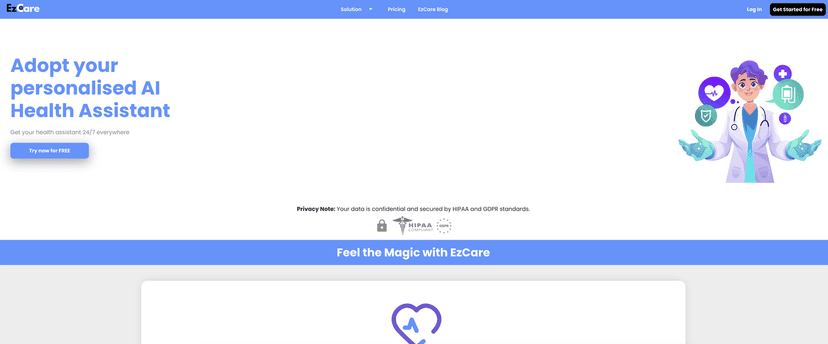
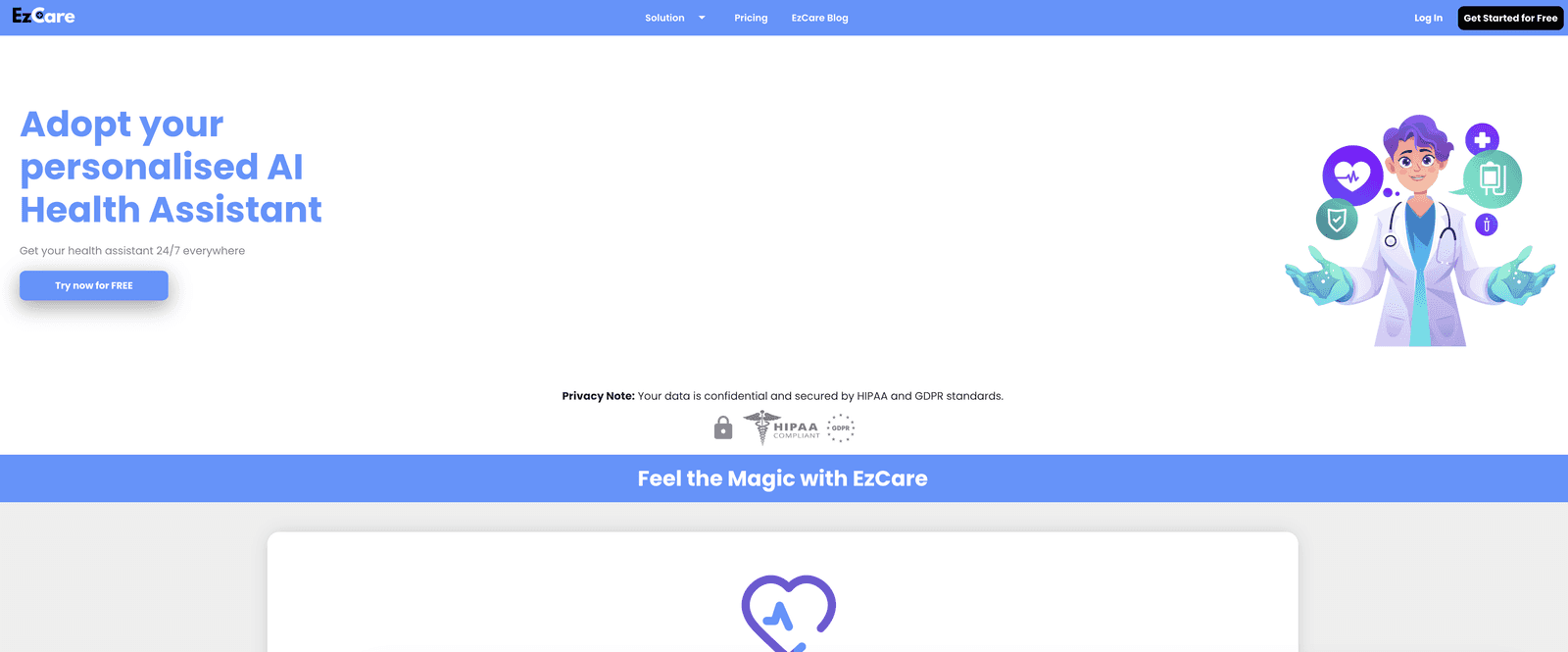
If you’re trying to get more organized about your health, I get it. Appointments are expensive, waiting is frustrating, and most people leave a visit thinking, “Okay… but what do I do next?” That’s why I was curious about EzCare—it’s an AI health platform that aims to turn your info into clearer next steps.
After looking through how EzCare positions itself (and how these kinds of tools typically work), here’s what stood out to me: the platform is built around personalized guidance, not just generic “health tips.” The interface is also designed to be pretty straightforward, so you’re not stuck fighting menus before you even get to the good stuff.

EzCare Review: What It Actually Tries to Do
EzCare is positioned as an AI-driven health management platform. The pitch is simple: you provide inputs, the system generates an assessment, and then it offers a personalized plan you can use to guide your next steps.
In my experience with tools like this, the real value usually comes from two things:
- Turning messy info into something readable (so you’re not left guessing what matters most)
- Helping you form questions for a doctor—because “I don’t know what to ask” is half the problem for most people
EzCare’s interface is also described as user-friendly, which matters. If an app is hard to navigate, people don’t stick with it long enough to see any benefit. And honestly, health tools only work if you’ll actually use them.
Key Features of EzCare
Here’s what EzCare claims to focus on, and what you should look for when you’re evaluating it:
- AI-driven health assessments and diagnostics
You’ll want to pay attention to how it frames results. Does it explain what it’s basing the assessment on, or does it just spit out a label? - Personalized care plans tailored to individual needs
The “personalized” part should feel more specific than generic wellness advice. For example, it should adjust recommendations based on your inputs (symptoms, history, goals, etc.). - Treatment suggestions customized to specific conditions
Good tools don’t just say “try this.” They clarify what the suggestion is for and when it might be relevant. - User-friendly interface designed for easy navigation
If you can’t find your plan quickly or you constantly get stuck, the tool becomes more of a chore than a helper. - Expert AI assistance for informed decision-making
I like when platforms encourage you to make informed choices—especially when it nudges you to consult professionals when needed.
Pros and Cons: My Honest Take
Pros
- Personalized guidance — instead of one-size-fits-all content, it’s built around individual inputs, which is exactly what most people want.
- AI-powered assessments — when done well, this can help you organize symptoms and think through possible next steps.
- Encourages active health management — it’s easier to follow a plan when it’s laid out clearly, and it can help you stay consistent.
- Accessible design — if the interface really is simple, that lowers the barrier for non-tech users.
Cons
- AI can be wrong — this is the biggest reality check. Any AI health tool can miss context, misinterpret inputs, or oversimplify complex conditions.
- Needs a stable internet connection — if you’re relying on it for ongoing guidance, outages and slow connections can make it frustrating.
- Limited public awareness — if lots of people aren’t talking about it yet, you’ll have fewer reviews and fewer “real user” stories to validate the experience.
Quick reality check: I wouldn’t treat EzCare as a replacement for a clinician. If you have red-flag symptoms (chest pain, severe shortness of breath, sudden weakness, etc.), you should seek urgent medical care—not rely on an AI assessment.
Pricing Plans (What We Know and What to Check)
The specific pricing details for EzCare aren’t listed here. That’s not unusual for newer platforms, but it means you’ll want to verify cost directly on the official site before you commit.
When you’re checking pricing, I’d specifically look for:
- Monthly vs. yearly subscription options
- Any free trial or limited free plan
- What you get at each tier (for example, whether “AI assessments” are unlimited or capped)
- Cancellation terms
If you want the most accurate information, visit the official site linked above: EzCare.
Wrap Up
EzCare looks like a solid option if you want AI-based health guidance that’s meant to feel more personal than generic advice. The “best-case” scenario is that it helps you understand your situation, organize your thoughts, and make better decisions—especially when you’re preparing for a doctor visit.
Just keep expectations realistic. AI can’t replace medical expertise, and the results are only as good as the inputs and the logic behind the recommendations. If you’re comfortable using it as a support tool (not a final authority), EzCare could be worth trying.