Table of Contents
If you’ve ever wondered what type of eBooks actually sell the most, you’re asking the right question. I mean, anyone can write a book. The hard part is figuring out where readers are spending their money right now—and then matching your idea to that demand.
eBooks changed the game for readers. They can browse, sample, and buy in minutes. That convenience means sales aren’t just about “good writing”—it’s also about picking genres and topics people are already hungry for.
So in this post, I’m going to break down the fiction and non-fiction categories that consistently perform well, plus the marketing and presentation moves that help those books get noticed. Because what sells is one thing. Getting found is the other.
What Type of eBooks Sell the Most

If you’re trying to decide what to write next, you need to start with what sells. Not “what you like” (that matters), but what buyers are already clicking on and finishing. Because eBook buyers tend to repeat patterns—they go back to what they know they enjoy.
Here are the categories that consistently show up as top sellers, both in fiction and non-fiction.
Top-Selling Fiction Genres (That Keep Moving)
Fiction is where you’ll see a lot of volume. Readers buy quickly, binge series, and leave reviews—so momentum matters. In my experience, the biggest selling fiction genres aren’t just popular. They’re repeatable. People come back for more.
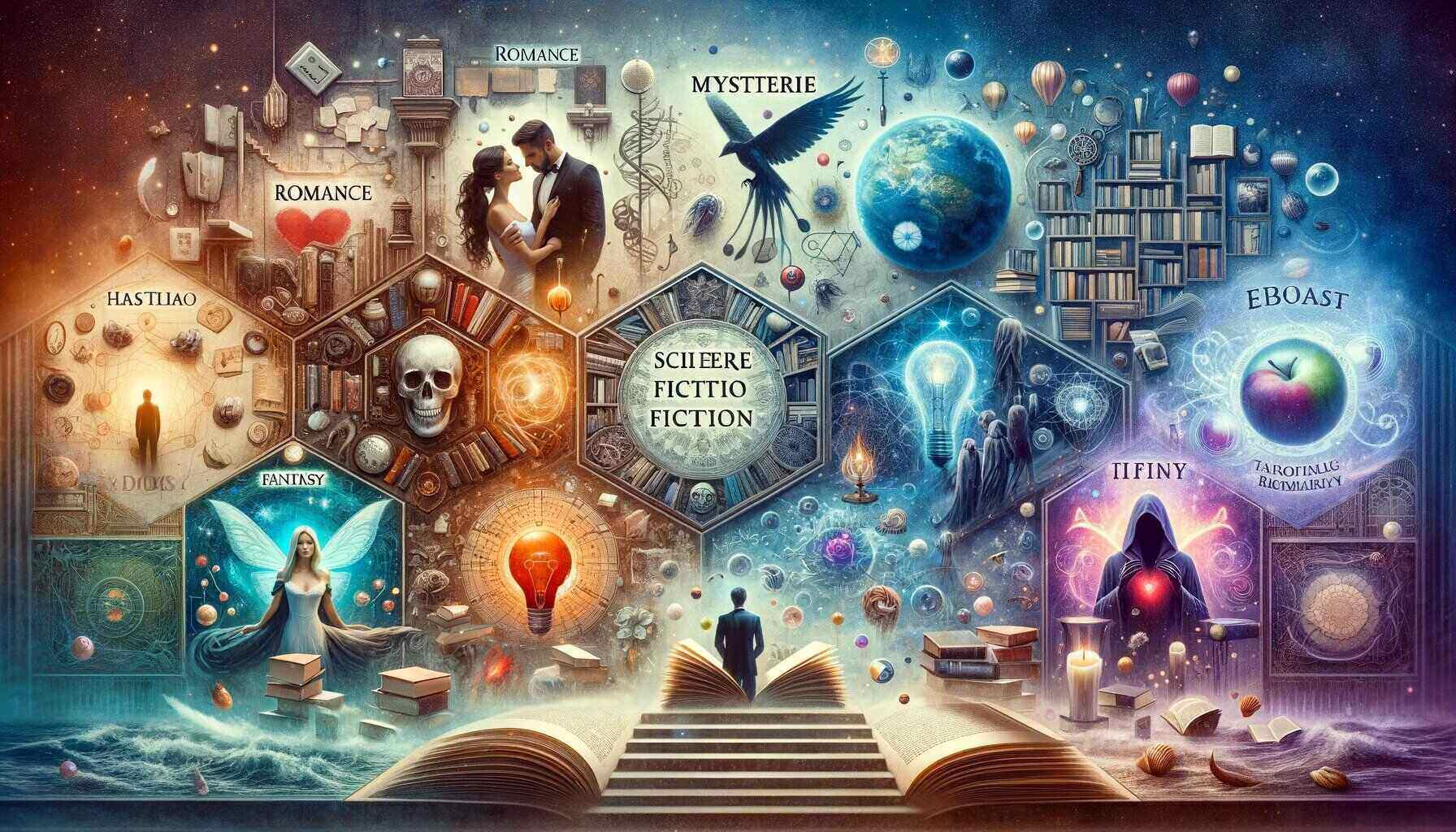
Here are the fiction genres that regularly perform well:
- Romance is still the heavyweight. It’s not only about “love stories,” either—it’s about emotional payoff. Readers want the tension, the chemistry, and the resolution. I’ve noticed romance also has tons of sub-niches (small town, billionaire, second chance, paranormal, etc.), which means you can target a specific vibe instead of trying to be generic. And yes, the audience skews heavily toward women, but men absolutely read romance too—especially where the heat level and tropes are clear.
- Mystery/Thriller sells because it keeps people turning pages. Suspense is the product. Whether it’s a classic whodunit, a fast-paced action thriller, or a psychological mind-game, readers want clues, misdirection, and a payoff that makes them say, “Wow.” One practical tip: thriller readers often love short chapters and a strong hook in the first few pages—so your pacing matters as much as the plot.
- Science Fiction and Fantasy do well because they let readers escape. Sci-fi leans into big ideas—future tech, space exploration, AI, alternate timelines—while fantasy goes all-in on worlds, magic systems, and mythology. If you’re writing fantasy, clarity matters. Readers get picky about rules (even in “soft magic” worlds). In sci-fi, believable tech or at least consistent logic can make the difference between “fun” and “addicting.”
These genres work because they match what readers crave: emotion, suspense, or escape. And that’s where learning how Amazon publishing works becomes useful—because category placement, keywords, and reader expectations all influence discoverability.
Also, don’t ignore the target audience piece. Romance readers aren’t all the same. Thriller readers don’t all want the same level of violence or the same pacing. When you match the “promise” of your book to what a specific group expects, you get better reviews—which feeds sales.
Non-Fiction Categories That Regularly Lead Sales
Non-fiction tends to sell well when it solves a clear problem. People buy because they want results—fast, practical, and actionable. That’s also why understanding ebook royalties can matter if you’re trying to plan earnings, not just write a book and hope for the best.
Here are the non-fiction categories that consistently pull in buyers:
- Self-Help (and personal development) keeps growing. Readers want motivation, habits, confidence, and “how to change my life” guidance. The best-performing self-help books usually feel specific—like they’re written for a particular situation (burnout, anxiety, productivity, relationships, career transitions). If your book is vague, it won’t stand out.
- Health & Fitness does well because it’s evergreen. Diet, nutrition, workouts, mental wellness—people keep searching. What I noticed is that readers love practical formats: simple meal plans, step-by-step routines, checklists, and “what to do when” advice. Also, the digital format is perfect for quick reference while meal prepping or following an exercise plan.
- Business & Money is a steady seller. Entrepreneurs, job seekers, and managers want advice on career growth, investing basics, budgeting, productivity, and strategy. Since the world changes all the time, readers often look for up-to-date frameworks and “current reality” guidance—so your content has to feel timely.
- Cookbooks in eBook form have a real advantage: convenience. People want recipes they can search, save, and reference on their phone. Digital cookbooks also work great for themed collections (high-protein meals, 30-minute dinners, gluten-free options, beginner baking). If your recipes are easy to follow and your ingredient lists are clear, readers return.
And if you’re trying to produce books in niches like these (without getting stuck for months on writing), tools like AI Automateed can help you get drafts moving. It’s not about skipping quality—it’s about speeding up the “getting started” phase.
It creates 100% unique, original, fact checked and completely your books in just one click, and it has a free trial, so do check it out.
Trends and Events: Influence on eBook Sales

eBook sales don’t happen in a vacuum. When the world shifts, readers shift. They look for answers, comfort, and distractions—and they buy what feels relevant.
What’s interesting is how fast demand can change. One month everyone wants one thing; the next month they’re all chasing something else. So yes, trends matter. But not in a “copy what everyone else is doing” way—in a “tap into what people are already thinking about” way.
Here’s how trends and events usually affect what sells:
Societal trends: If technology is booming, you’ll often see more interest in eBooks about emerging tech, digital transformation, automation, and futuristic ideas. If mental health awareness is rising, topics like stress management, mindfulness, and healthy habits tend to get more attention—especially in Self-Help and Health & Fitness.
Global events: Major events can completely reshape reading habits. During the COVID-19 pandemic, for example, there was a noticeable spike in eBooks tied to home-based routines, health and well-being, and practical coping strategies. People weren’t just bored—they were trying to regain control of their days.
So what should you do with that? Stay alert. I don’t mean obsess over headlines all day, but you should regularly check what’s trending in your niche and what readers are asking for.
You can use that momentum to write books that feel “in the moment.” That might mean:
- Updating examples to match current reality (tools, platforms, common problems)
- Addressing a new fear or question people are discussing
- Packaging an evergreen topic in a timely way (same core value, better timing)
Just remember: trend relevance doesn’t last forever. If you’re fast and flexible, you can ride the wave without getting stuck with an outdated premise.
In other words, keeping a finger on what’s happening in the world helps you create content that readers actually want right now—which is what drives sales.
Effective Marketing Strategies for eBooks

Let’s be honest: you can have a great eBook and still struggle if nobody sees it. Marketing is what puts your book in front of the right people at the right time.
Here are the strategies I’ve seen work again and again for eBooks:
1) Social media (yes, still)
Platforms like Facebook, Instagram, X (Twitter), and LinkedIn can bring in readers—especially if you post consistently. The trick isn’t posting “about your book” 24/7. It’s sharing content that matches the reader’s interests.
For example, if you write a fitness eBook, you can share quick workout tips, meal-prep ideas, or habit-building challenges. If you write romance, you can share trope-based prompts or behind-the-scenes character notes. When people feel like they “get” your vibe, they’re more likely to buy.
2) Reviews (they’re not optional)
Positive reviews on Amazon and other eBook platforms directly impact trust. People scroll, compare, and pick. A book with strong reviews usually wins.
Incentives can help, but keep it legit—offer something like bonus chapters, a free guide, or a discount for readers who genuinely enjoyed the book. Don’t spam strangers. Reviews should feel earned.
3) Blogger and influencer outreach
Getting your eBook reviewed by bloggers, reviewers, or niche influencers can expand your reach fast. The best results usually come from matching the review source to the genre. A thriller reviewer won’t be as effective for a cookbook, right?
4) Build an author platform (your “home base”)
Your website or blog matters because it gives readers somewhere to learn more. An effective author page should include:
- A clear author bio (who you are and why you write)
- Specific eBook descriptions (not just a bland summary)
- Direct purchase links
- A newsletter signup (because repeat readers are gold)
5) Create content that supports the sale
This is where most authors underdo it. Blog posts, behind-the-scenes notes, short interviews, reading lists, sample chapters—these all help. Not because they’re “content for content’s sake,” but because they build connection.
And connection turns into clicks. Then purchases. Then reviews. It’s a cycle.
Presentation: Covers, Titles, and Descriptions
If your cover and title don’t work, marketing won’t save you. That’s just the reality. In most stores, people are scrolling fast. They’re making snap decisions based on the “storefront” look.
So think of your cover, title, and description as one combined pitch. They should all point to the same promise.
Cover: Your cover is your storefront. It needs to fit the genre and signal the tone. A thriller cover should feel tense. A romance cover should feel emotionally charged (and often trope-specific). A self-help cover should look clean, confident, and practical.
Also, don’t underestimate how much a “professional” cover improves trust. I’ve seen books with solid writing flop simply because the cover looked like a template or didn’t match the genre expectations.
For design help, AI Automateed designs cover for you alongside the whole book. If you want to do it yourself, I suggest Canva. And if you’re using templates, Amazon KDP is a good place to start for understanding what tends to work on Amazon.
Title: Your title should be both intriguing and specific enough to set expectations. A strong title usually:
- Includes a clear topic or hook (even if it’s subtle)
- Hints at the outcome or vibe
- Matches the genre conventions
Generic titles can be tough to rank and harder to click. Readers want clarity. They want to know what they’re buying.
Description: This is where you convince someone to spend their time and money. I like to think of the description as a mini sales page.
A good description balances:
- Information (what’s inside, who it’s for)
- Emotion (why it matters, what changes for the reader)
- Specificity (especially for non-fiction)
For fiction, you generally don’t want to spoil everything. Give enough to spark curiosity, but leave room for discovery. For non-fiction, highlight key takeaways. If your book offers 10 steps, 7 tools, or a framework readers can apply, say so clearly.
One more thing: keywords matter. If your description naturally includes genre-relevant terms, it can help visibility in search results. Don’t stuff keywords—just write like a person who knows the subject.
When the cover, title, and description all match, readers feel confident buying. And confidence is what turns views into sales.
Conclusion
What sells most in the eBook world tends to fall into a few reliable buckets: romance, mystery/thriller, sci-fi and fantasy on the fiction side—and self-help, health & fitness, business & money, and cookbooks on the non-fiction side. But genre alone won’t carry you.
To actually win, you’ve got to stay aware of trends, present your book professionally, and market it in a way that reaches the right people. If you do that, you’re not just guessing—you’re building around what readers already want.
FAQ
What eBooks make the most money?
eBooks in genres like Romance, Mystery/Thriller, and Science Fiction tend to make the most money, along with non-fiction categories such as Self-Help and Business & Money. These genres have broad appeal and a large, dedicated readership, which helps sales volume and review frequency.
What eBooks are trending?
Right now, eBooks focused on health and wellness, personal development, technology, and DIY projects are doing well. On the fiction side, Romance and Young Adult still pull strong interest. The common theme is that readers want either practical improvement or an entertaining escape.
Is selling eBooks profitable?
Yes—selling eBooks can be profitable, especially when you target the right niche and market your book effectively. Profitability depends on more than genre, though. Quality, presentation (cover/title/description), and how well the book matches the target audience all matter a lot.
Top selling eBook topics?
Top-selling eBook topics often overlap with the most profitable niches: romance tropes, mystery and thriller hooks, sci-fi and fantasy worlds, plus self-improvement and money/career guidance. Again, the real difference is how clearly your book solves a problem or delivers a specific reading experience.
Most popular eBook topics?
The most popular eBook topics typically include Romance, Mystery, Science Fiction, Fantasy, Self-Help, and Health & Fitness. These categories work because they offer both escapism and practical value, which appeals to a wide range of readers.