Table of Contents
Amazon is basically my default spot when I want to browse what people are actually reading. And after digging around for months—checking bestseller lists, category pages, and what keeps getting traction—I can tell you one thing: some book categories don’t just spike. They stay popular.
Sure, trends come and go, but the categories below consistently pull readers in. They also explain a lot about what’s happening culturally. When people are stressed, they grab comfort reads. When life gets busy, they want practical guides. When everyone’s watching the same show, you’ll see the same books climb the charts.
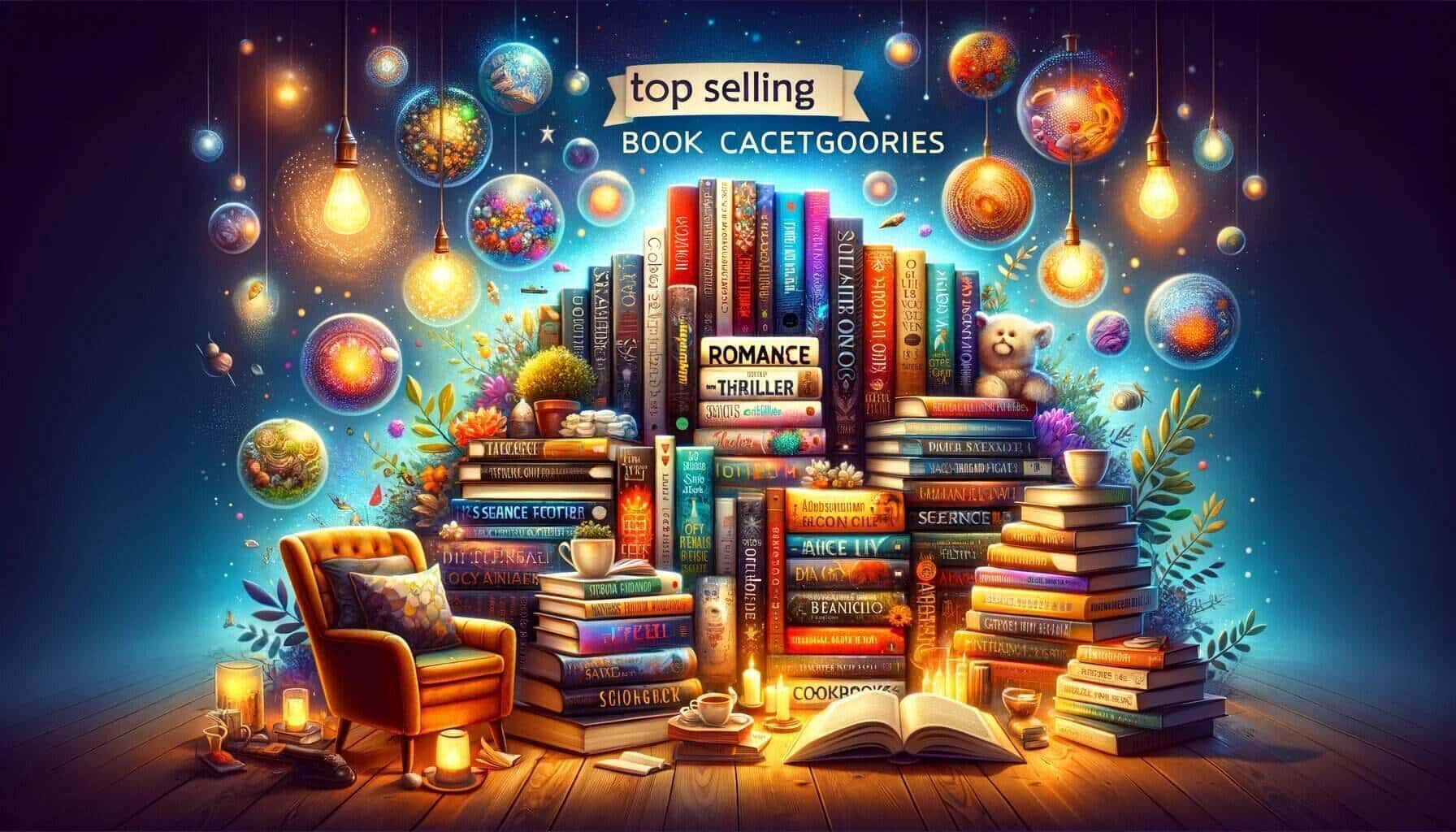
Top Selling Book Categories on Amazon
Amazon has a huge audience, and it’s not random which categories win. Some genres just match what readers want right now—and they keep matching even when the platform changes. If you’ve ever wondered why certain books seem to always show up in recommendations, this is a big part of it.
Also, quick heads-up: the link below looks a little messy in the original content, but I’m keeping the exact URL that’s already there. If you’re browsing on your end and it doesn’t work cleanly, that’s why.
While it is true that every commodity has its buyer, some book categories do stand out more than others and are consistent top-sellers on Ahttps://automateed.com/what-is-an-ebook-and-how-does-it-work/mazon.
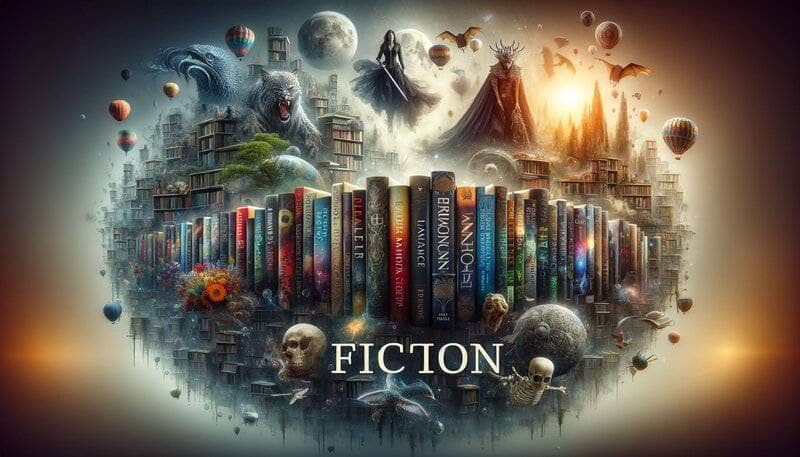
1. Fiction
Fiction is the category I see most often when people just want to escape for a few hours. It’s broad, it’s emotional, and it’s easy to browse. On Amazon, fiction isn’t one thing—it’s a whole ecosystem of subgenres that keep readers coming back.
- Romance – I’m not even surprised romance stays near the top. Love stories are comfort reads, and there’s always a new angle: second chance, friends-to-lovers, enemies-to-lovers, and everything in between. If you’ve ever caught yourself reading “just one more chapter,” you already know why this subgenre sells.
- Thriller – thrillers are basically engineered for momentum. The best ones deliver tension early, keep raising the stakes, and make the ending feel earned. I’ve noticed readers in this category tend to reward books that deliver twists but also make the plot make sense afterward.
- Science fiction – this isn’t just spaceships and aliens. A lot of modern sci-fi is really about society, technology, and the “what if?” questions we can’t stop thinking about. Even when the world is totally fictional, readers often connect to the themes.
And yes—there are plenty of other fiction categories that sell well too, like fantasy, historical fiction, and contemporary novels. But if you’re looking for the “always there” categories, fiction is usually where you start.
Whether you want something heartwarming or something that keeps you up past midnight, fiction is reliably one of the strongest performers on Amazon.
2. Non-Fiction
Non-fiction is where Amazon turns into a library that helps people solve problems. This is the kind of category where readers aren’t just browsing for fun—they’re looking for answers, motivation, or a practical step-by-step plan.
- Self-help books are a massive hit. I keep seeing the same pattern: when life feels chaotic, people want structure. Self-help covers everything from mindset and confidence to productivity and habit building. The books that sell best tend to be clear, actionable, and easy to skim.
- Biographies and autobiographies – people love learning how other people made it through tough seasons. I’ve noticed biographies perform well when the story is specific (not vague), and when the author includes real lessons instead of just “and then I succeeded.” Readers want the path, not just the outcome.
- Cookbooks – cookbooks do well because they’re practical and visual. Even if someone isn’t cooking every day, they still want ideas. Great cookbooks don’t just list recipes—they explain substitutions, timing, and techniques (like getting crisp edges or nailing a sauce consistency).
Other non-fiction categories that consistently get attention include travel guides, business books, journals , and educational materials. If you’re writing non-fiction, ask yourself: does it help someone do something better, faster, or smarter?
3. Children’s Books
Children’s books are one of those categories that don’t really “die.” They evolve as kids age, and parents are always looking for the next read that’s engaging enough to keep attention for more than two minutes.
What matters most here is matching the book to the age group. That’s the difference between a book that gets bought and a book that gets ignored.
For example, picture books work great for toddlers and preschoolers. They rely on simple language, strong illustrations, and repetition. If you’ve read to a little one, you know they love predictable rhythms and familiar themes.
As kids grow, early readers and chapter books take over. These are usually more plot-driven, with vocabulary that’s just challenging enough to feel rewarding.
Popular themes stay pretty timeless: adventures, friendships, learning new things, and stories that help kids feel brave. I also see strong demand for books that teach life lessons without being preachy—think empathy, kindness, and “it’s okay to be different.”
One thing I always remind myself: a successful children’s book has to work for two audiences. The child needs to enjoy it. The parent needs to feel good about it too—especially if the book is being read aloud nightly.
On Amazon, children’s books range from educational to whimsical, and the category stays evergreen because parents keep buying for birthdays, holidays, and “just because.”
4. Educational and Textbooks
If you want a category with steady demand, educational materials and textbooks are hard to beat. People don’t stop needing them—students still study, teachers still assign, and professionals still reference.
This category includes academic books, reference materials, and study guides. The best sellers usually have one clear advantage: they’re organized well and they make complicated topics easier to understand.
- Academic books deliver depth. Readers expect accuracy, citations (when relevant), and a structure that helps them follow the topic without getting lost. If the writing is unclear, you’ll see it in reviews fast.
- Reference books are built for quick use. Think dictionaries, encyclopedias, and specialized manuals. What readers care about most is that the information is easy to find and trustworthy.
- Study guides are popular because they reduce stress. The most effective guides break topics into manageable chunks, include summaries, and often add practice questions. If you can help someone review efficiently—especially before exams—you’ll likely find a real audience.
In my experience, educational content sells best when it’s not just “information.” It’s clarity. It’s practical structure. It’s helping the reader get results.
Factors Contributing to the Popularity of These Categories
Even when broad categories stay strong, sub-categories can swing pretty noticeably. One month it’s “best books for productivity.” Next month it’s “burnout recovery.” That’s not random—it’s driven by what readers are dealing with and what they’re seeing everywhere else.
Here are the biggest forces I’ve noticed behind category popularity, and yes, these are also the things that can help you choose what to write or how to position your book.
Trends in Reader Preferences
Reader preferences shift constantly. Sometimes it’s slow and gradual. Other times it’s basically overnight. Societal changes, global events, and emerging interests all play a role.
For example, I’ve seen self-help and wellness books surge when people feel mentally drained. Readers want practical tools—sleep tips, stress management, habit-building, and routines that actually fit into real life.
And science fiction? It often climbs when technology is in the spotlight. When more people are thinking about AI, cybersecurity, space exploration, or the future of work, sci-fi feels more relevant. You can almost watch the attention move.
If you want to stay ahead, keep an eye on what readers are searching for, not just what’s popular in general.
Influence of Media and Popular Culture
Books get a huge boost when they hit movies, TV, or even major streaming platforms. I’ve watched this happen repeatedly: once a story becomes a screen hit, the “original book” suddenly becomes a must-read.
Think about series like “Game of Thrones” or “Harry Potter.” After the adaptations took off, readers didn’t just watch—they went hunting for the books, the companion stories, and related titles.
Celebrity endorsements and social media trends do something similar. If a topic is trending on TikTok, Instagram, or YouTube, Amazon categories often reflect it within weeks. Is it always immediate? No. But it’s usually noticeable fast.
Seasonal Trends
Seasonality matters more than most people think. People don’t buy books “equally” throughout the year—they buy them for specific moments.
During holidays, you’ll see demand for Christmas and winter-themed stories, Halloween reads, and summer vacation books. Back-to-school is another big one: educational books and textbooks tend to rise as students get ready for the semester.
If you’re planning a release, timing can help. Even a great book can struggle if it launches at the wrong moment for its audience.
When you combine reader preferences, media influence, and seasonal timing, you get a clearer picture of what’s likely to sell. And honestly? That’s the whole point—matching your book to what people are already craving.
Impact of Reviews and Ratings
Reviews and ratings are usually the first thing I check before I commit to buying. It’s not because I don’t trust the description—it’s because other readers have already tested the book in real life.
Positive reviews can genuinely move sales. They build trust, reduce uncertainty, and give shoppers confidence that they won’t waste money. When a lot of people say the same thing—“easy to follow,” “great pacing,” “helped me”—that consistency matters.
On the flip side, negative reviews (especially detailed ones) can stall momentum. And if a book has almost no reviews at all, some buyers hesitate. They don’t want to be the first “guinea pig.”
Ratings matter too. In general, books hovering around 4.0 stars and up tend to attract more clicks, because it signals solid quality at a glance. Readers use ratings like a shortcut—especially when they’re comparing multiple books quickly on a busy day.
Amazon’s Recommendation System
Amazon’s recommendation system is a big reason reviews can feel like they “snowball.” The platform uses algorithms to suggest books based on what you browse and buy, plus what other shoppers with similar interests tend to purchase.
In practice, books with stronger ratings and more reviews are more likely to show up in recommendations. The system reads high ratings and a healthy review count as signals of popularity and perceived quality.
That’s why visibility is so tied to social proof. When your book gets reviewed and rated well by enough readers, it doesn’t just sell—it gets seen more often.
For authors, the takeaway is pretty clear: you can’t ignore reviews. If you’re publishing, you should focus on writing something that earns good feedback—then encourage readers to leave honest reviews after they’ve actually finished the book.
Emerging Trends in Book Categories
If you want an edge, don’t just watch the “top categories.” Watch what’s rising inside them. That’s where you can spot opportunities early—before the market gets crowded.
Here are a few trends I’ve been seeing that line up with what many readers are thinking about right now:
Recently, we’re seeing a rise in certain genres that reflect contemporary interests and concerns. For example:
- Climate Fiction (Cli-Fi): With more people paying attention to environmental issues, stories about climate change and its effects keep drawing readers in. They want both drama and “what happens next” speculation.
- Wellness and Mental Health: Readers want practical mental health support—mindfulness, emotional regulation, stress relief, and routines for feeling better. The best titles feel grounded, not fluffy.
- Diverse and Inclusive Stories: More readers are looking for characters and narratives that reflect a wider range of backgrounds and experiences. This isn’t just “representation” for representation’s sake—it’s readers wanting stories that feel real.
- Tech and Cyber-Thrillers: As technology becomes more woven into daily life, thrillers about hacking, cybercrime, and future societies are gaining traction. People are curious and a little nervous—perfect combo for suspense.
Shifts in Reader Interests
Reader interests don’t move in a straight line. They shift based on global events, cultural moods, and what people are talking about.
- Post-pandemic, there’s been a noticeable interest in resilience, recovery, and new beginnings. Readers want hope, but they also want realistic advice and emotional honesty.
- Political and social movements can push interest toward social justice, activism, and political analysis. When headlines heat up, books on these topics often follow.
- Digital media is shaping what people read. More readers want stories about online culture, social media dynamics, and how the internet affects relationships and daily life.
If you’re writing, the sweet spot is balancing your personal interests with what the market is actually buying. When those two line up, you get a book that doesn’t just sell—it feels relevant.
Conclusion
If you’re trying to pick categories strategically, it helps to understand which top selling book categories on Amazon consistently attract readers. It’s not only about writing well (though, obviously, that matters). It’s about connecting your book to what people want right now—then backing that up with strong reviews and good positioning.
As the market changes, new opportunities show up. Whether you’re jumping into emerging genres or sticking with evergreen categories like children’s books and educational materials, there’s usually room for writers who understand their audience.
FAQ
What kind of books sell the best on Amazon?
Self-help, romance, thrillers, children’s books, and educational materials tend to sell the best.
What are the top 5 genres of books?
Romance, Mystery/Thriller, Science Fiction/Fantasy, Young Adult, and Non-Fiction (especially self-help and biographies).
What makes a best-selling book on Amazon?
It’s usually a mix: a popular genre, content that hooks quickly, solid reviews and ratings, and a strong match with what readers are currently searching for.
What books are in high demand?
Right now, books in romance, self-help, young adult, children’s literature, and contemporary fiction are commonly in high demand.
What kind of books sell best on Amazon KDP?
On Amazon KDP, self-published romance, mystery/thriller, science fiction, fantasy, and how-to/self-help titles typically perform well.
Fiction top selling book categories on amazon?
Romance, thriller, science fiction, fantasy, and young adult are usually the top selling fiction categories on Amazon.