Table of Contents
Becoming a book editor isn’t just about spotting typos (though, honestly, I do love catching those). It’s really about helping a story land the way it was meant to. You’re taking what an author wrote and shaping it into something cleaner, clearer, and more compelling—without bulldozing their voice.
If you’ve been wondering how to become a book editor, you’re not alone. I’ve had moments where I finished a chapter and thought, “This is good… but it could be so much better.” That instinct is a big part of the job. And if you get excited by revision notes, structure tweaks, and the nitty-gritty of language, you might be exactly the kind of person editors are looking for.
In other words: this path isn’t only for people who love books. It’s for people who love making books work.
How to Become a Book Editor
Becoming a book editor is more than loving books and having decent grammar. You need strong editorial judgment, the ability to explain your changes, and a real understanding of how manuscripts move from “first draft” to “published book.”
Let me break it down in a way that actually makes sense when you’re planning your next steps.
Get the Right Education
When I started looking into how to become a book editor, the first question I asked myself was: “Do I need a degree, or can I build this another way?” The honest answer? You don’t always need one, but it can make things easier.
Strong grammar and language knowledge matter. But editing isn’t just proofreading. You also need to understand storytelling structure, narrative choices, character development, and what makes prose feel “right” on the page.
So, do you need a specific degree? Not necessarily. But degrees in English, Literature, Journalism, or Creative Writing can give you a solid foundation because they train you to analyze texts and write with intention. That analysis part is huge for editing.
And if you can add editing-focused coursework? Even better. I’ve seen people with a general writing background get stuck because they didn’t learn the actual mechanics of editing (style choices, markup, revision workflow, and how to communicate feedback).
Look for courses and certifications through universities or professional organizations like the Editorial Freelancers Association or the Society for Editors and Proofreaders.
Those programs often cover things like editing workflow, how to use editing software, and the business side if you want to freelance. That combination—craft + process—is what helps you become employable.
Bottom line: there isn’t one perfect educational route. But if you build a foundation in writing analysis and add practical editing training, you’re already ahead of a lot of hopeful editors.
Gain Experience
Here’s the part people don’t always say clearly: no amount of reading about editing replaces actual editing work. You can learn the terminology and rules, sure—but until you mark up a manuscript and make revision decisions under real constraints, you won’t fully get it.
That’s why internships, volunteering, and entry-level publishing jobs matter so much.
Internships are especially valuable. Even if you start by doing small tasks, you’ll see how the process really works: submissions, editorial review, style guidelines, revision rounds, and what happens right before a book goes to production. It’s the difference between “I think I understand editing” and “I know how publishing teams actually operate.”
Volunteer work can be a great route too. Many literary organizations, festivals, and indie publishers need help with proofreading, line edits, or copy checks. In my experience, it’s also where you learn how to work with different personalities—some authors want detailed explanations, others just want you to fix what’s wrong and move on.
And if you can land an entry-level role (editorial assistant, junior editor, production assistant), take it. Yes, you might be doing admin at first. But you’re also close to the editing pipeline, and that access helps you learn faster than working completely solo.
If you want a simple way to measure progress, track your output. For example: how many pages did you edit? How many revision notes did you write? How many times did you catch consistency issues (names, dates, timeline gaps, repeated phrases)? Those are real skills.
Every bit of experience counts, and it compounds. You’re not just building a resume—you’re building judgment.
Build Your Network

Publishing can feel like a closed world until you realize it’s mostly built on relationships. The more people you know, the more likely you are to hear about openings, get referrals, and learn what editors are actually looking for.
And yes—networking can be awkward. I get it. But it doesn’t have to mean “selling yourself.” Most of the time, it’s just being present and helpful.
Start with social media and professional platforms. LinkedIn is great for following publishers, editors, and editorial teams. Join groups, comment thoughtfully on posts, and don’t be afraid to introduce yourself. Twitter (if you still use it) can be surprisingly useful too—lots of editors and writers share workflow tips, submission advice, and occasional job leads.
Next, get out of your screen. Workshops, seminars, and conferences are where you meet people face-to-face, and the conversations tend to be easier because everyone’s there for the same reason: books and publishing. Even if you only talk to two people, that’s two new chances for future opportunities.
Also, don’t ignore professional organizations. Groups like the Editorial Freelancers Association (EFA), the Society for Editors and Proofreaders (SfEP), and local writers’ guilds often provide directories, forums, events, and resources to help you improve. Plus, you can see what other editors emphasize in their profiles—useful for figuring out your own positioning.
Finally, email still works. If you admire someone’s work, send a short, polite message. Ask a specific question (not “How do I become an editor?”—something more targeted like “Do you have a recommended style guide to study for copyediting?”). People respond better when you make it easy.
Networking is basically: be proactive, be genuine, and follow up. One connection at a time.
Develop Essential Skills
If you want to understand what makes an editor effective, it comes down to a handful of core skills. I’ve worked with enough different styles of editing (and read enough editor feedback) to know that these aren’t optional.
1) Strong language skills
Yes, grammar, punctuation, and spelling matter. But it’s more than catching mistakes. It’s understanding cadence and clarity—how sentences should flow, where emphasis should land, and how to keep the author’s voice intact while making the text easier to read.
2) Attention to detail (with judgment)
Editing isn’t a quick skim. It’s noticing patterns. For example: does the character’s hair color change? Do tense shifts happen without reason? Are there repeated phrases every few pages? When you’re copyediting, you’re also checking consistency in dates, names, locations, and terminology.
3) Tech comfort
If you’re working with manuscripts, you’ll need to be comfortable with tools. Microsoft Word’s Track Changes is common, and depending on the publisher you might touch other platforms too. For design-adjacent workflows, knowledge of tools like Adobe’s InDesign can come in handy.
Tech skills aren’t about being flashy. They’re about making your edits readable and your revision notes easy to act on.
4) Genre awareness
This is one people underestimate. If you edit romance, you learn how pacing and emotional beats typically work. If you edit nonfiction, you’re more likely to focus on structure, argument strength, and fact consistency. Knowing what the “expected shape” is for a genre helps you guide revisions that feel natural to readers.
None of this becomes perfect overnight. But with practice, feedback, and real editing samples, you’ll build confidence fast.
Understand the Publishing Process
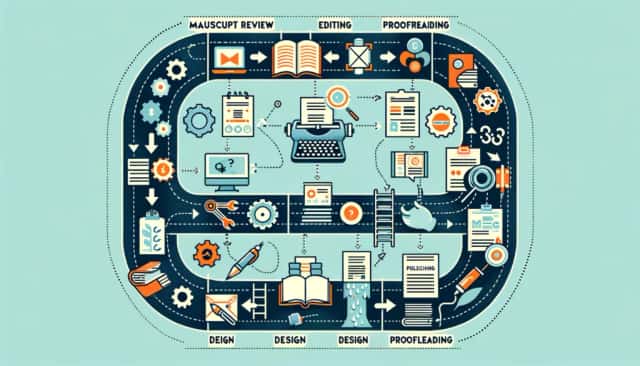
If you want to be taken seriously, you have to understand where editing fits in the bigger publishing timeline. Otherwise, you’ll struggle to know what kind of feedback to give at each stage.
Here’s the process broken into the main phases:
Manuscript submission
Authors submit manuscripts to publishers (or agents). As an editor, this is where you evaluate potential: story promise, audience fit, voice, and whether the project is ready for the next step.
Developmental editing
This is the “big-picture” stage. I’m talking about chapter order, plot holes, character arcs, pacing, and clarity of the central idea. You might suggest reorganizing chapters, expanding certain scenes, or cutting sections that don’t serve the story.
Copyediting
This is where grammar, punctuation, style consistency, and fact-checking come in. You’re scrutinizing details: comma usage, spelling, repeated errors, and consistency across the manuscript. It’s detail work, but it still needs judgment—fixing everything without thinking can sometimes create new issues.
Typesetting and design
Editors are often less hands-on here, but it helps to understand how layout changes reading. For instance, page breaks can make a sentence feel awkward. Cover and formatting choices also affect how readers perceive the book.
Proofreading
After formatting, proofreading is the last pass. This is where you catch lingering typos and formatting glitches before printing.
Publication
Once it’s published, marketing and distribution take over. Editors may still contribute to things like promotional copy or author materials, depending on the publisher.
When you understand this lifecycle, you can better predict what the author needs from you—and what the publisher expects from the role.
Stay Updated
So why does everyone keep saying “stay updated”? Because editing isn’t happening in a vacuum. The market shifts, reader expectations change, and publishing workflows evolve.
First, keep an eye on market trends. Knowing what a manuscript looks like in current publishing standards helps you guide authors more realistically. If a genre is oversaturated, you might recommend a unique hook, a fresher angle, or a clearer positioning. If readers are leaning toward certain themes or styles, you can help authors shape their work to meet that demand—without turning it into something generic.
Second, watch the tools. Editing software and collaboration platforms keep improving. When you’re comfortable with modern workflows, you move faster, communicate more clearly, and reduce the back-and-forth that frustrates everyone involved.
Third, the publishing industry changes constantly. New publishers pop up. Established ones shift their focus. That affects commissioning, genre priorities, and even how contracts are structured. If you’re paying attention, you can spot patterns and adjust your approach.
In practice, staying updated isn’t just “keeping up.” It’s making sure you’re the editor who understands both the craft and the reality of how books get sold and read.
Start Freelancing or Look for Full-Time Positions
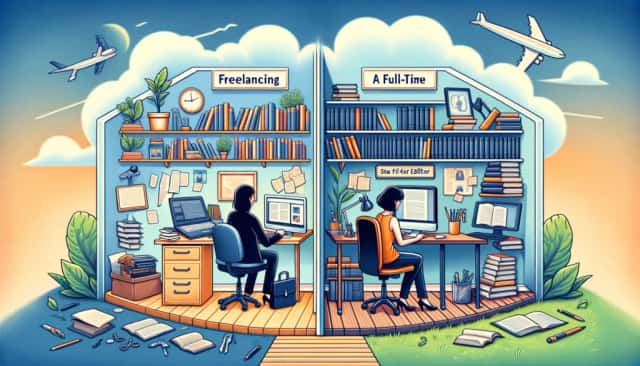
If you’re ready to move from “learning” to “doing,” you’ve basically got two routes: freelance or full-time. I’ve seen people succeed with both, but the strategy is different.
Freelancing: build a portfolio and start small
The fastest way to get traction is to take on a range of editing projects. That might mean editing blog posts, proofreading newsletters for nonprofits, or line-editing short works for indie authors. You’re building proof that you can do the work, not just talking about it.
Where do you find freelance editing jobs? Sites like Upwork, Fiverr, and LinkedIn can help you land your first clients. Just remember: every project you complete is either a referral engine or a reputation risk—so keep your communication professional and your turnaround realistic.
Full-time: target publishing-specific job boards
If you want a publishing company role, don’t waste time guessing where to look. Use job boards like Publishers Marketplace and the Editorial Freelancers Association’s job board.
Networking helps here too. Follow editors at the companies you want, join relevant groups, and attend events when you can. Sometimes it’s not just your resume—it’s knowing the right person at the right time.
No matter which direction you choose, keep improving. Book editing is competitive, but if you’re willing to start with smaller projects and build up, you can absolutely carve out a real career.
Conclusion
Becoming a book editor is a mix of passion and precision. It’s not only about catching errors—it’s about understanding story, making smart revision decisions, and working with authors in a way that actually helps them improve their manuscript.
If you want to play a meaningful role in bringing books to life, focus on the basics first: sharpen your editing skills, build a portfolio through real experience, connect with people in the industry, and keep learning as publishing changes.
That’s the path. Not glamorous every day, but worth it if you genuinely care about the craft.
FAQ
What qualifications do I need to be a book editor?
Typically, you’ll want a strong foundation in language—often through degrees or coursework in English, Literature, Journalism, or Communications. That said, the real qualifications also include hands-on editing experience, a clear understanding of the publishing process, and comfort with editing tools and style conventions.
How much do editors for books make?
Pay varies a lot depending on experience, location, and the type of publisher. Entry-level roles may start lower, while more experienced editors can earn more. Freelance editors often charge per word, per page, or per project, so income can be steadier (or more variable) depending on how busy your pipeline is.
How do I become an editor with no experience?
Start by getting real practice through internships, volunteer roles, or editing small publications and blogs. Even without formal job experience, you can build a portfolio by editing sample chapters or volunteering for organizations that need help with proofreading and revision. That portfolio is often what gets you interviews or first client calls.
Is it hard to become a book editor?
It can be challenging because publishing is competitive. You’ll need more than good grammar—you need persistence, networking, and continuous learning to stay current with editorial standards and market expectations. But if you focus on building skill and getting experience, it’s absolutely doable.
Do editors get paid?
Yes. Editors get paid whether they work in-house (typically a salary) or freelance (often per word, page, or project). The rate depends on your experience level and the type of editing you do.
How to become a book editor for a publishing company?
To land a book editor role at a publishing company, build relevant education and experience first, then strengthen your network through internships and professional connections. Keep an eye on job openings at publishers, and apply to roles that match your skills—whether that’s developmental editing, copyediting, or production support.
What degree do I need to be a book editor?
No single degree is required, but degrees in English, Literature, Journalism, or Communications are helpful. They build the writing and critical thinking skills you’ll use every day as an editor, especially when you’re learning how to evaluate manuscripts and give constructive feedback.