
Table of Contents
So yeah, you’ve probably heard of Grammarly. It’s one of those tools that always comes up when someone wants cleaner writing—emails, essays, blog posts, the whole deal. And the big question I keep seeing is pretty simple: does Grammarly work?
I’ve used Grammarly on and off for a while now, and I’m not going to pretend it’s magic. But I also can’t ignore how often it catches stuff I’d miss. The real test is whether it helps you write better, not whether it can underline words like a school worksheet.
In my experience, Grammarly does a solid job with the “usual suspects” (spelling, grammar, punctuation). It also gives suggestions for clarity and tone, which is where it can actually save you from sounding awkward or unclear. Still, it’s not perfect. Sometimes it nudges you in the wrong direction, especially with creative writing or very specific phrasing.
Let me break down what it does well, where it slips up, and whether it’s worth using—especially if you’re deciding between the free version and Grammarly Premium.
Does Grammarly Work? What I Noticed Using It
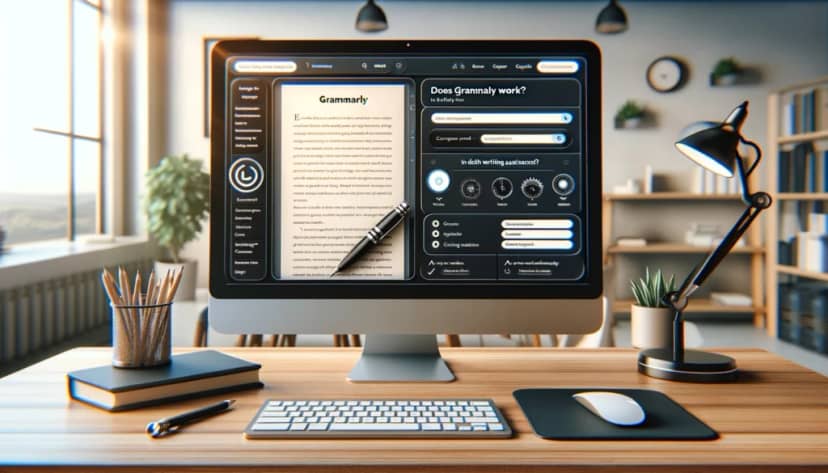
Grammarly is basically a writing assistant that helps you clean up your text while you type. It flags misspellings, grammar issues, punctuation mistakes, and it can also suggest improvements for clarity and tone.
How does it work? It analyzes what you write in real time and then offers edits as you go. So instead of “proofread after the fact,” it’s more like a live co-pilot.
One thing I really appreciate: it works in the places I actually write. Depending on your setup, you can use it via browser extension, desktop app, or even a mobile keyboard. That means it’s not limited to one platform like some older grammar tools.
Under the hood, Grammarly uses AI and natural language processing (NLP). In plain English, it’s trying to understand the context of your sentences—not just checking words one by one like a simple spellchecker.
That context awareness is why it can catch things like “their/there/they’re” errors in the right sentence (instead of just letting them slide). It’s also why it sometimes spots awkward phrasing that doesn’t break any strict grammar rules, but still sounds “off.”
It also learns and updates over time, so suggestions tend to get better as the tool improves. Still, you should treat it like a helpful editor, not an authority you blindly follow.
So, does Grammarly work? For most everyday writing and even a lot of professional writing, yes—it works. It reduces dumb mistakes fast and can improve readability. Just don’t expect it to replace your own judgment.
Key Features of Grammarly (The Stuff You’ll Actually Use)

- Grammar Checking: This is the core. Grammarly catches grammar issues that are easy to miss—things like incorrect modifiers, subject/verb mismatches, and article problems (“a” vs “an”). What I notice is that it often explains why something is wrong, not just what to change.
- Spelling Correction: It’s not only about typos. Grammarly can distinguish between confusing homophones like “there,” “their,” and “they’re.” That’s huge, because a regular spellcheck won’t catch the “wrong word, right spelling” problem.
- Punctuation: Commas, colons, semicolons… Grammarly tends to be fairly thorough here. It can help with comma splices and punctuation that makes a sentence easier to read (and less choppy).
- Style and Tone Adjustments: This is where Grammarly feels more like a writing coach. It can suggest ways to sound clearer or more professional, and it has tone-related feedback so you can see how your message might land.
- Plagiarism Detection: This is included with Grammarly Premium. It compares your text against a massive index of online content, which can help you avoid accidental copy issues—especially for students and anyone submitting formal work.
- Personal Dictionary: If you write with specific names, product terms, or industry jargon, you can add them so Grammarly stops flagging them as mistakes. In my experience, this saves a lot of annoying “ignore this forever” clicks.
Platform-Specific Features
- Browser Extension: Works across the web for emails, social posts, and basically anywhere you type. I’ve used it while drafting blog content and in email replies, and it’s handy because it doesn’t require you to copy/paste your text.
- Desktop App: For longer documents, the desktop setup is nicer. It’s easier to work through suggestions on a full paragraph or report, instead of dealing with tiny inline edits.
- Mobile App and Keyboard: If you write on your phone, this matters. Grammarly’s mobile keyboard can help catch errors in messages and notes so you don’t accidentally send something you’d rather redo.
Bottom line: Grammarly covers a lot of writing problems in one place. It won’t fix every sentence-level issue automatically, but it’s strong for catching the common stuff and improving readability.
Benefits of Using Grammarly (Why People Keep It Around)

When Grammarly is working the way you want, it feels like a quality filter. Not just “fix spelling,” but “make this read better.” Here are the benefits I notice most.
- Improved Writing Quality: The biggest payoff is how often it makes your writing sound smoother. It catches errors and suggests edits that can make sentences flow better. If you’ve ever re-read an email and cringed at a comma mistake, you’ll get why people use this.
- Error Reduction: After a while, you start seeing your own patterns. Grammarly helps you catch mistakes sooner, which means fewer “oh no” moments right before you hit send.
- Learning Opportunities from Corrections: One of the more useful parts is that it explains suggestions. So you’re not only changing text—you’re learning what to watch for next time.
- Increased Confidence: This one’s underrated. When I’m writing something important (a client email, a formal post, a submission), having Grammarly as a second set of eyes makes me more confident that I didn’t miss something basic.
- Efficiency and Speed: Real talk—proofreading manually is slow, especially when you’re tired or on a deadline. Grammarly catches a lot of issues instantly while you write, so you spend less time doing the same “scan for mistakes” routine.
User Testimonials and Case Studies
- Students often report better grades after using Grammarly because it helps them spot recurring grammar and clarity issues they weren’t aware of.
- Professionals in fields like marketing and law-related writing (where precision matters) frequently mention that Grammarly helps them move faster while still keeping drafts clean.
- Freelancers and bloggers tend to use Grammarly to reduce errors and keep content readable, which can help with audience trust and fewer back-and-forth revisions.
Overall, Grammarly’s value isn’t just “corrections.” It’s the combination of faster editing, clearer writing, and feedback you can actually learn from.
Limitations and Considerations (Where Grammarly Can Get It Wrong)

Here’s the part people sometimes skip: Grammarly isn’t a mind reader. It’s good, but it’s not infallible. In my testing, the times it struggled were usually the times where writing gets nuanced—tone, intent, and creative phrasing.
- Reliance on Context: Grammarly tries to understand your sentence context, but it can still miss nuance. If you’re writing creatively or using intentional style choices, it might recommend edits that technically “work” but don’t match what you were going for.
- Potential for Missing Nuanced Errors: Even with advanced AI, it can miss issues a human editor would catch—especially when the “problem” isn’t grammar, but meaning. Idioms, complex structures, and intent-based writing can slip through.
- Occasional Inappropriate Suggestions: Sometimes it suggests something that’s grammatically fine but changes the tone. That’s a distraction, because you end up evaluating the suggestion instead of just accepting it.
Impact on Different User Groups
- Students: Grammarly can help a lot, but over-relying on it can slow your learning. I’d recommend using it to understand your mistakes, not to auto-approve everything.
- Professionals: It’s great for productivity and catching errors before they embarrass you. Just remember: important documents still need review, especially if your company has a specific tone or style guide.
- Writers: If you’re doing fiction, poetry, or experimental writing, Grammarly may feel more annoying than helpful. It can “fix” things you intentionally left messy for effect.
So yeah—Grammarly is a strong assistant, but it’s not a replacement for human judgment. Use it as support, then do a quick final read like you’re the editor.
Grammarly Premium vs. Free Version (Which One Should You Pick?)
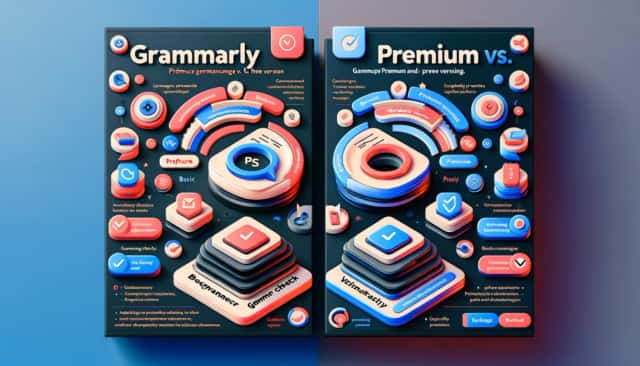
Grammarly gives you both a free version and a Premium version. Which one you should use depends on how often you write and what kind of writing you do.
Here’s how I’d think about it.
Free Version
Grammarly Free is focused on the essentials: spelling, grammar, and punctuation checks. If you mostly need help with everyday writing (emails, social posts, quick drafts), this can be enough to make a noticeable difference.
In my experience, it’s a good starting point if you’re not ready to commit to a subscription. You can test-drive it and see whether the suggestions actually help you.
Premium Version
Grammarly Premium adds deeper checks and extra features. The main upgrades I’d point out are:
- Advanced Checks for Punctuation, Grammar, and Sentence Structure: Premium digs into more complex issues like run-on sentences, passive voice patterns, and unclear references.
- Vocabulary Enhancement Suggestions: You’ll get synonym and rewording ideas, especially when your writing repeats the same words too often.
- Style-Specific Writing Checks: It can tailor suggestions to your writing goals (business, academic, casual, etc.), which helps when you’re trying to hit a specific tone.
- Plagiarism Detector: Premium includes the plagiarism checker, which scans a large set of web content to help you avoid accidental similarities.
Is the Premium Version Worth It?
If you only write occasionally and you mostly want basic error checking, the free version may be all you need.
But if you write regularly for school, work, or publishing—and you care about more than just “correct”—Premium can be worth it. The advanced feedback can save time in revisions, and the plagiarism checker is a big deal for academic submissions and formal publishing.
For me, the decision comes down to one question: how much editing time do you want to spend manually? If the answer is “a lot,” Premium tends to pay off.
Alternatives to Grammarly (If You Want a Different Approach)
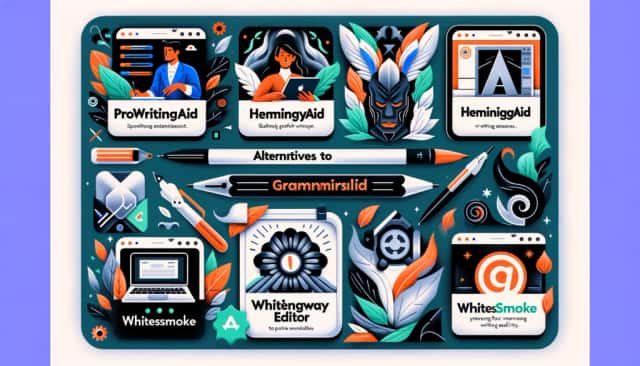
Grammarly is popular for a reason, but it’s not the only tool out there. Some alternatives focus more on writing analysis, readability, or learning features.
Here are a few options I’ve seen people use instead (or alongside) Grammarly.
1. ProWritingAid
ProWritingAid is more of a writing coach than a quick fix tool. It gives deeper reports on things like readability and style patterns, which can be really helpful if you’re working on long-form content or want to improve over time.
That said, if you want instant, simple “change this to that” feedback, it can feel a bit more involved.
2. Hemingway Editor
Hemingway Editor focuses heavily on readability. It highlights hard-to-read sentences, passive voice, and adverbs that may weaken your writing.
If you write blogs, marketing copy, or journalism and you care about clarity, it’s a great tool. It just doesn’t go as broad on grammar coverage as Grammarly.
3. WhiteSmoke
WhiteSmoke offers grammar, punctuation, and style checks similar to Grammarly. It also includes translation and templates, which can be helpful for business writing and for non-native English speakers.
Some users like the extra features, but others find the interface less smooth than Grammarly.
4. Ginger Software
Ginger provides spelling and grammar checks plus a rephrasing tool. It also includes text-to-speech, which I actually like for proofreading—hearing your sentence can make awkward phrasing stand out fast.
It’s also friendly for language learners because of translation and learning-focused features. Still, it may not match Grammarly or ProWritingAid for deeper writing insights.
How do They Compare
In general, Grammarly wins on convenience and real-time suggestions, which is why it’s so easy to fit into daily writing. Premium adds extra depth and the plagiarism checker, which matters for academic and professional work.
Alternatives like ProWritingAid and Hemingway Editor are more specialized. ProWritingAid leans into detailed analysis, while Hemingway leans into readability and simplifying your sentences.
Tools like WhiteSmoke and Ginger add features like translation, which can be a deciding factor if that’s part of your workflow.
At the end of the day, the best choice is the one that matches how you write and what you’re trying to improve.
Conclusion
So when you ask, “Does Grammarly work?” the honest answer is: it works for a lot of people, in a lot of real-world situations. It’s strong at catching spelling and grammar mistakes, and it can improve clarity and tone with its style suggestions.
But it’s still a tool. You’ll want to review suggestions—especially for nuanced writing, creative work, or anything where tone really matters. If you use it that way, Grammarly can be a genuinely helpful part of your writing routine.
FAQ
Is Grammarly 100% accurate?
No—Grammarly isn’t 100% accurate. It uses AI to catch a lot of errors and make helpful suggestions, but it can still miss mistakes or recommend changes that don’t match your intent. I’d always recommend reviewing suggestions, especially for complex or creative writing.
Does Grammarly improve your grammar?
Yes. Grammarly can improve your grammar by identifying errors and showing corrections. The explanations are also useful because they help you understand what went wrong—so you’re more likely to avoid the same mistake later. Over time, that adds up.
What is the disadvantage of using Grammarly?
One downside is that it may not fully understand the nuance of highly creative writing or very specific tone choices, which can lead to suggestions that aren’t quite right. Also, if you rely on it too much, you can lose the habit of proofreading and editing on your own.
How good is Grammarly’s AI?
Grammarly’s AI is pretty advanced. It uses natural language processing and machine learning to analyze text for issues and suggest improvements. It’s updated regularly, which helps it handle context better. That said, like any AI, it’s not perfect—human judgment still matters.
Can Grammarly detect AI writing?
Grammarly isn’t designed specifically to detect AI-generated writing. Its main job is to improve the quality and clarity of human-written text by checking grammar, punctuation, and style. It focuses on writing quality, regardless of how the text was created.
Will Grammarly be flagged as AI?
Using Grammarly to check and improve your writing typically won’t get your work flagged as AI-generated. Grammarly helps refine text, but it doesn’t create content from scratch. It’s meant to support writers, not replace them.