
Table of Contents
If you’re a writer and you’re trying to grow an audience, you can’t really afford to ignore social media. I’ve seen it firsthand: the “right” platform doesn’t just get you followers—it gets you readers, feedback, and sometimes even actual publishing conversations.
That said, not every social network fits every kind of writer. Some platforms reward quick, punchy updates. Others are better for slow-burn storytelling, long-form essays, or community-driven critique. So the real question isn’t “Which social media is best?” It’s “Which one matches how I write and how I want to connect?”
Below are 11 of the best social media for writers, with what each one does well (and where it can be a pain). I’m also going to point out the kinds of posts that tend to work, because “post more” is not a strategy.
11 Best Social Media for Writers
Before you pick a platform, I’d ask yourself two things: what kind of content can I post consistently, and what kind of feedback do I actually want? If you want readers to discover you, you’ll lean toward discovery-heavy platforms. If you want craft improvement, critique communities matter more.
Here’s how I’d think about each option below—what it’s good for, what to watch out for, and how writers usually get the most out of it.
1. X (former Twitter)

X is fast. Like, “blink and it’s gone” fast. But if you’re a writer who likes real-time conversations, it’s still one of the best places to build visibility quickly.
What I noticed when I used X for writing-related posts: short thoughts, strong opinions, and “here’s what I’m working on” updates tend to do better than generic promotion. If you can join ongoing threads, you’ll get noticed without constantly asking for attention.
It’s also great for following publishing news, pitching ideas in a low-pressure way, and connecting with agents, editors, and authors who actually engage.
Features:
X’s main strength is brevity. That character limit forces clarity. You can’t hide behind fluff. It’s a good thing—most writers need that push.
Hashtags and trending topics can help with discovery, especially if you post when a topic is actively moving. And don’t sleep on X chats (those scheduled conversations). They’re one of the easiest ways to meet people who are already interested in your niche.
Also, live-tweeting events—book launches, readings, conferences—can put your name in front of people who care about the exact moment you’re talking about.
Pros:
- Networking Opportunities: You’ll find authors, publishers, and literary agents all in one place. It’s not “networking” in the awkward sense—it’s more like conversation that can turn into connections.
- Immediate Feedback: Replies and quote-tweets let you test ideas and get responses fast. I’ve gotten genuinely useful reactions to character questions and plotting choices within hours.
- Visibility: If you use hashtags thoughtfully (not spammy), your posts can reach beyond your follower count.
Cons:
- Character Limit: Complex thoughts are harder here. If you’re trying to share a full excerpt or a long explanation, X will fight you.
- Fast Pace: Your post can disappear quickly. If you only post once a week, you might feel invisible.
- Overwhelm: The volume is real. Without a routine—like checking replies for 10 minutes after posting—it’s easy to burn out.
X can absolutely work for writers. Just treat it like a conversation you show up for—not like a billboard. Consistency and engagement matter more than perfect wording.
2. Facebook
Facebook is still surprisingly useful for writers, especially if you like community and discussion. It’s not just personal profiles anymore—you can build author pages, join genre groups, and use events to get people to show up.
In my experience, Facebook groups are where writers actually meet readers. You’re not competing with every post on the internet—you’re competing with the group’s attention span.
And yes, you can share longer updates too. Posts, notes, images, videos, live broadcasts… it’s flexible.
Features:
Groups and pages are the big deal. Groups give you a dedicated space for people who want the same genre or writing vibe. Pages help you look “real” and professional—book release announcements, cover reveals, signing dates, the whole thing.
Facebook also supports multimedia really well. If you want to do a quick video reading, a behind-the-scenes clip, or a live Q&A, this platform can handle it.
Pros:
- Community Engagement: Genre groups make it easier to find readers who care. You can share drafts, ask for feedback, and swap recommendations.
- Diverse Tools for Promotion: Events, live video, and even targeted ads can help you promote without relying only on organic reach.
- Broad Reach: You’ll find a mix of ages and interests, which can be great if you write mainstream or widely appealing genres.
Cons:
- Algorithm Limitations: Facebook can throttle reach to followers. Some posts do well, others vanish—so you have to test.
- Information Overload: Busy groups move fast. If you only drop links, people will scroll past you.
- Privacy Concerns: You’ll want to double-check your settings, especially if you’re sharing personal writing journeys.
If you want a place that feels more like “community” than “content,” Facebook is worth a shot. But you’ll need to show up and contribute, not just announce.
3. Instagram
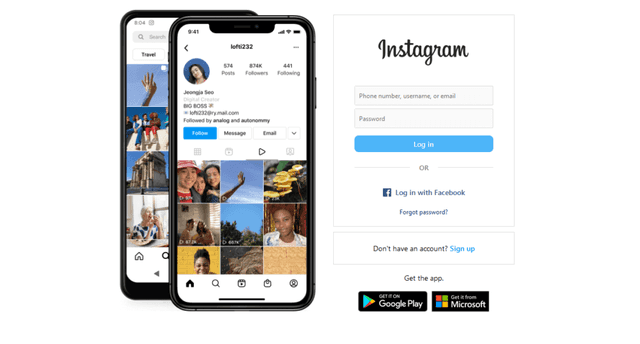
Instagram is where writing meets visuals. If you enjoy designing posts, filming short clips, or sharing “the vibe” behind your work, this platform can be a really fun way to grow.
What I noticed: people don’t always follow you because of a single post. They follow because they like the consistency—your themes, your aesthetic, your voice, your behind-the-scenes process.
It’s perfect for things like book quotes, writing prompts, cover reveals, reading updates, and those “here’s the messy middle” moments that make you feel human.
Features:
Instagram gives you Stories, Reels, regular posts, and longer-form options like IGTV. For writers, Reels and Stories are often the easiest entry point because you can post frequently without writing a novel-length caption every time.
Hashtags help with discovery, but they work best when they match your niche. “#writer” is broad. “#romancewriting” or “#fantasywriter” tends to be more meaningful.
And yes, the platform’s aesthetics matter. It’s not shallow—it’s just how people browse.
Pros:
- Visual Storytelling: You can turn your writing into something people can “see”—snippets, typography, page photos, mood boards.
- Community Engagement: Comments, DMs, and collabs can build real relationships. I’ve seen writers connect through recurring story replies and live sessions.
- Brand Building: If you want readers to recognize you instantly, Instagram helps you create that “this is my world” brand.
Cons:
- Visual Content Requirement: If you hate being on camera or designing posts, it can feel like extra work.
- Algorithm Challenges: New accounts often need time and consistent engagement before discovery kicks in.
- Time Investment: Even simple posts take time when you’re aiming for a cohesive feed.
Instagram can feel like curating a visual journal—because that’s basically what it is. If you’re okay showing process (not just polished results), it’s a great place to build a loyal audience.
4. Medium
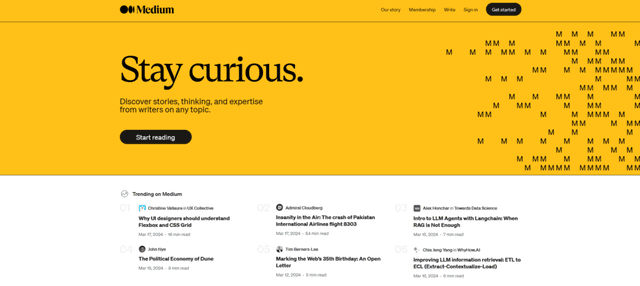
Medium is the place I’d point to if you want to publish writing without building your own website. It’s easy to start, and it’s set up for reading—no gimmicks.
When I posted on Medium, I liked that it’s not just a feed of tiny updates. You can write a real article, explore an idea, and actually let your voice develop on the page.
And the best part? You’re not starting from zero. Medium has an existing audience that’s already there to read.
Features:
Medium’s layout is simple, which is great if you want to focus on the writing instead of the tech. You can publish quick pieces or longer essays, and you can cover anything from craft advice to personal storytelling.
Medium also helps with distribution by recommending articles to readers who follow similar topics. It’s not magic, but it does help discovery.
Pros:
- Super Simple to Use: If you can write in a document, you can publish on Medium.
- Built-in Audience: You’re not waiting for people to find you from scratch.
- Earn a Little Extra: The Partner Program can pay based on engagement. It’s not guaranteed, but it can be a nice bonus if your work hits with readers.
Cons:
- Tough Competition: There are a lot of posts. You’ll need a clear angle and decent formatting.
- Income Isn’t Guaranteed: Payment varies. It’s definitely not something I’d rely on as a primary income stream.
- Limited Control: You’re working inside someone else’s platform, so design and distribution are out of your hands.
Medium feels like a busy cafe where people actually sit down and read. If you want to practice writing for an audience (and not just for your own blog), it’s a solid starting point.
5. Goodreads
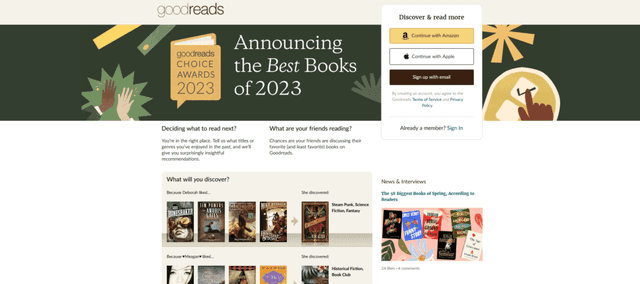
Goodreads is basically a giant book club that never sleeps. If you write books (or even if you’re just obsessed with reading), it’s one of the most natural places to connect with readers.
It’s not only for tracking what you’ve read. Authors can build profiles, interact with readers, and learn what people actually liked—or didn’t like—about their work.
In my experience, Goodreads is especially strong for genre writers because readers there are already browsing with intention.
Features:
You can set up an author profile, keep your book list organized, and share updates. There are also groups and book clubs, which can be a great way to get into genre conversations without sounding like you’re pitching.
And then there’s the review system. It’s direct. If you want to understand how readers interpret your story, Goodreads gives you that real-world feedback.
Pros:
- Direct Connection with Readers: Readers hang out there to discuss books, so conversations can feel more meaningful than typical social comments.
- Visibility for Your Books: Your author page becomes a hub—people can find your books, read descriptions, and follow your updates.
- Community Support: Reading challenges and group discussions help you build momentum without only relying on ads or algorithms.
Cons:
- Mixed Reviews: You will get critical feedback sometimes. Handling it gracefully matters.
- Can Be Overwhelming: There’s a lot going on—lists, groups, discussions—so it’s easy to get lost.
- Promotion Limits: Goodreads isn’t built for constant sales posts. You’ll need to be subtle and community-minded.
Goodreads isn’t a billboard. It’s more like a place where readers want to talk about stories. If you show up consistently, you can genuinely build relationships—one review thread at a time.
6. LinkedIn
LinkedIn is where professional networking happens—and that absolutely includes writers. It’s not the best place for sharing every draft thought, but it’s great for positioning yourself as a credible writer in a niche.
If you’ve ever wanted to work with publishers, land freelance gigs, or collaborate with editors, LinkedIn can do that. Think of it like your professional “writer” profile—front and center.
Features:
Your profile can highlight published work, writing experience, and skills. Plus, you can publish articles directly on LinkedIn, which is a nice way to show expertise without redirecting people somewhere else immediately.
There are also writing-related groups. If you join the right ones, you’ll find discussions, resources, and people who actually understand the industry.
Pros:
- Professional Visibility: Your profile acts like a living resume. It’s especially helpful when you’re trying to attract collaborators.
- Networking Opportunities: You can connect with publishers, editors, and other writers who are working professionally.
- Direct Publishing Platform: Posting directly on LinkedIn can build credibility fast—people can see your writing in the same place as your experience.
Cons:
- More Formal Atmosphere: It’s less “creative community” and more “business.” If you want to share raw emotions, it might feel out of place.
- Engagement Can Be Low: Personal updates about your writing journey may not get the same traction as industry-focused posts.
- Competition for Attention: Without a niche or clear angle, it can be hard to stand out.
Using LinkedIn as a writer feels like showing up to a conference wearing your best suit. You’re there to meet people, build credibility, and open doors. It won’t replace the fun platforms—but it can support your career in a real way.
7. Bluesky
Bluesky is one of those platforms that feels like it’s still figuring itself out—in a good way. For writers, that can be a big opportunity because early adopters often get more room to breathe.
What I like about Bluesky is the vibe. It feels less chaotic than some mainstream feeds, and it’s built around community and user choice rather than pure algorithm domination.
Features:
Bluesky is designed around decentralization and interoperability. In plain English: it aims to give users more control and reduce the “walled garden” feeling.
You can post short updates or longer pieces, depending on what you’re sharing. That flexibility matters when you’re trying to match your writing style to a platform.
Pros:
- Innovative Platform: You’re joining a community that’s actively experimenting with how social feeds work.
- User-Controlled Experience: Decentralization can feel more personal and less restrictive.
- Creative Freedom: Less heavy-handed algorithm filtering can mean more room for niche or unusual content.
Cons:
- Growing Pains: The user base and features are still evolving, so visibility can be unpredictable at first.
- Uncertain Future: It’s not guaranteed where Bluesky will land long-term.
- Learning Curve: If you’re used to one platform’s culture, you’ll need a little time to find your footing here.
If you want to experiment and you don’t mind being early, Bluesky can be a smart add-on. Not every writer will love it—but it’s definitely worth testing if you’re tired of the same feed everywhere.
8. Fediverse
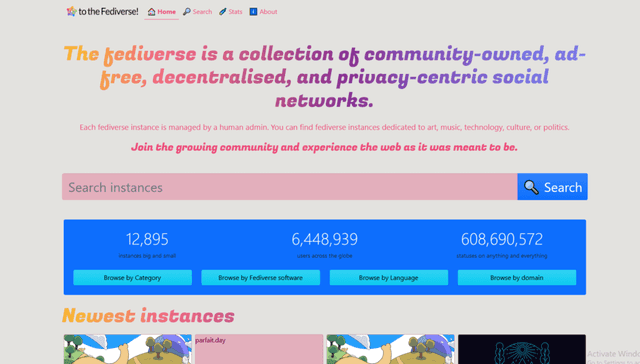
The Fediverse is one of the most interesting options if you care about freedom and community. Instead of one giant platform, it’s a collection of interconnected servers running different social tools.
For writers, that means you can find smaller, niche communities that actually match your interests. It’s like choosing which “room” you want to hang out in—while still being able to connect across the larger network.
If you want independence from a single platform’s rules, this is where that idea gets real.
Features:
Fediverse platforms emphasize user autonomy. Many communities let you control how your data and interactions work, which is a big deal if you’re tired of being treated like a product.
You can choose the kind of platform you want inside the Fediverse—microblogging, long-form, multimedia—depending on what fits your writing.
Pros:
- Diverse Audiences: Because it’s decentralized, you can find communities for very specific interests and genres.
- Control Over Content: You often have more say in how content is shared and how interactions happen.
- Reduced Censorship: There isn’t one central authority controlling everything, so expression can feel freer.
Cons:
- Complexity: Newcomers can find it confusing. Servers, compatibility, and “how to connect” takes time.
- Varied User Experience: Since it’s multiple platforms, the feel and features can differ a lot.
- Less Mainstream Visibility: You may not reach as many casual readers as you would on mainstream networks.
I’d describe the Fediverse as “powerful, but not effortless.” If you’re willing to explore and learn a bit, you can build an audience that feels more intentional—and less dependent on one algorithm.
9. Reddit
Reddit is the “front page of the internet,” and for writers, it’s basically a map to communities where people already care about writing. There’s a subreddit for almost everything: fantasy writing, poetry, nonfiction, publishing questions, critique threads—you name it.
In my experience, Reddit can be one of the best places to get feedback and learn craft fast, but only if you follow the rules of each subreddit. Some places hate self-promo. Others love it when it’s helpful and relevant.
Features:
Reddit runs on subreddits—topic-specific forums. That structure makes it easy to find your people and stick around long enough to build credibility.
Many writing communities encourage critique, sharing resources, and collaborative projects. You’ll also see AMAs (Ask Me Anything) where writers can talk directly with readers about their process and upcoming work.
Pros:
- Diverse Communities: There’s almost always a niche subreddit that matches your genre or writing goals.
- Feedback and Collaboration: Critique-focused subs can lead to better drafts and smarter revisions.
- Resources and Support: You can find writing tips, publishing advice, and real discussion from experienced writers.
Cons:
- Navigating the Culture: Reddit has its own etiquette. It can take time to learn what’s considered helpful vs. spammy.
- Variability in Experience: Feedback quality depends heavily on the subreddit and the moderators.
- Potential for Overwhelm: There’s a lot of content. If you don’t pick a few communities and stick to them, you’ll burn out.
Reddit works best when you treat it like a neighborhood, not a megaphone. Ask questions. Reply to others. Share your work when it fits the thread. Do that for a few weeks and you’ll start to see the difference.
10. Scribophile
Scribophile is for writers who want detailed feedback, not just “nice job!” comments. It’s built around critique, and it shows.
The platform uses a credit system. You earn credits by critiquing other writers’ work, then you spend those credits to get feedback on your own writing. That structure makes it feel more reciprocal, and honestly, it encourages you to take critique seriously.
If your main goal is improving craft, this is one of the most focused options on the list.
Features:
The big standout here is the emphasis on detailed critiques. Instead of vague reactions, you’re more likely to get notes about structure, pacing, character, and clarity.
There are also forums and writing groups for technique discussions, publishing questions, and general support. Plus, Scribophile includes resources and writing tools to help you practice and learn.
Pros:
- Quality Feedback: The critique system pushes for more thoughtful responses.
- Community Support: It’s a supportive space for writers at different stages—not just beginners.
- Writing Resources: You get educational content and tools that can help you level up faster.
Cons:
- Time Investment: You have to critique first. That takes time before you can post your own work.
- Learning Curve: If you’re new, you’ll need to understand the credit rules and the critique expectations.
- Feedback Quality May Vary: Even with a good system, the quality depends on who reviews your work and how much effort they put in.
Overall, Scribophile is a structured place to grow. If you’re serious about refining your writing, you’ll probably appreciate the “earn it by giving it” model.
11. Wattpad
Wattpad is one of the most recognizable platforms for writers who want readers to discover serialized stories. It’s a huge community with stories across genres, and it supports everything from amateur writers to people who are building their careers.
One thing I find compelling is that Wattpad isn’t just “a place to post.” Some stories have actually turned into published books and screen adaptations. That’s not guaranteed, of course—but it’s a real pathway.
Wattpad's unique model is built for chapter-by-chapter storytelling, and that’s a big part of why it works.
Features:
Wattpad makes it easy to upload stories in chapters, and readers can interact right away through comments and votes. That immediate feedback loop is gold if you’re trying to understand what’s working as you write.
Wattpad also runs the Watty Awards, which highlight standout stories across categories. And if you start gaining traction, there are partnership programs like Wattpad Books and Wattpad Studios that can help successful writers move beyond the platform.
Pros:
- Massive Audience: With millions of users worldwide, you can build a dedicated readership faster than on many smaller platforms.
- Interactive Feedback: Readers’ comments and voting patterns can tell you what they’re into—so you can adjust your next chapters.
- Opportunities for Publication: Some Wattpad stories earn publishing deals or adaptations, which is a unique potential upside.
Cons:
- High Competition: There’s a lot of content, so you’ll need consistent effort and engagement to stand out.
- Quality Variability: Because it’s open to many writers, the writing quality can vary widely.
- Revenue Generation: Earning money directly isn’t straightforward for most writers. You’ll usually need specific programs like Wattpad Paid Stories.
Wattpad is a strong option if you want readers to follow your story over time. If you’re willing to write consistently and respond to feedback, it can help you build momentum and a fanbase that sticks.
Conclusion
There isn’t one single “best” social media for writers—it depends on what you want: discovery, networking, critique, or community. Instagram and X tend to be great for visibility. Goodreads is excellent for reader relationships around books. LinkedIn can help you build professional credibility. Reddit and Scribophile are strong for feedback and craft growth. And Wattpad is ideal if you want serialized storytelling with active reader engagement.
My advice is simple: don’t try to do all 11 at once. Pick 2–3 that match your writing style and the time you realistically have. Test for a month or two. Pay attention to what gets replies, follows, and actual reader interest—not just likes. Then double down on what works for you.