Table of Contents
Video podcasts are the next wave of content creation, blending the engagement of video with the accessibility of podcasts. HeyGen stands out in this arena, offering a unique AI video generation platform that can bring your ideas to life without the hassle of traditional filming. Join me as I dive into what makes HeyGen an exciting choice for budding creators and seasoned pros alike.

Video Podcast Review
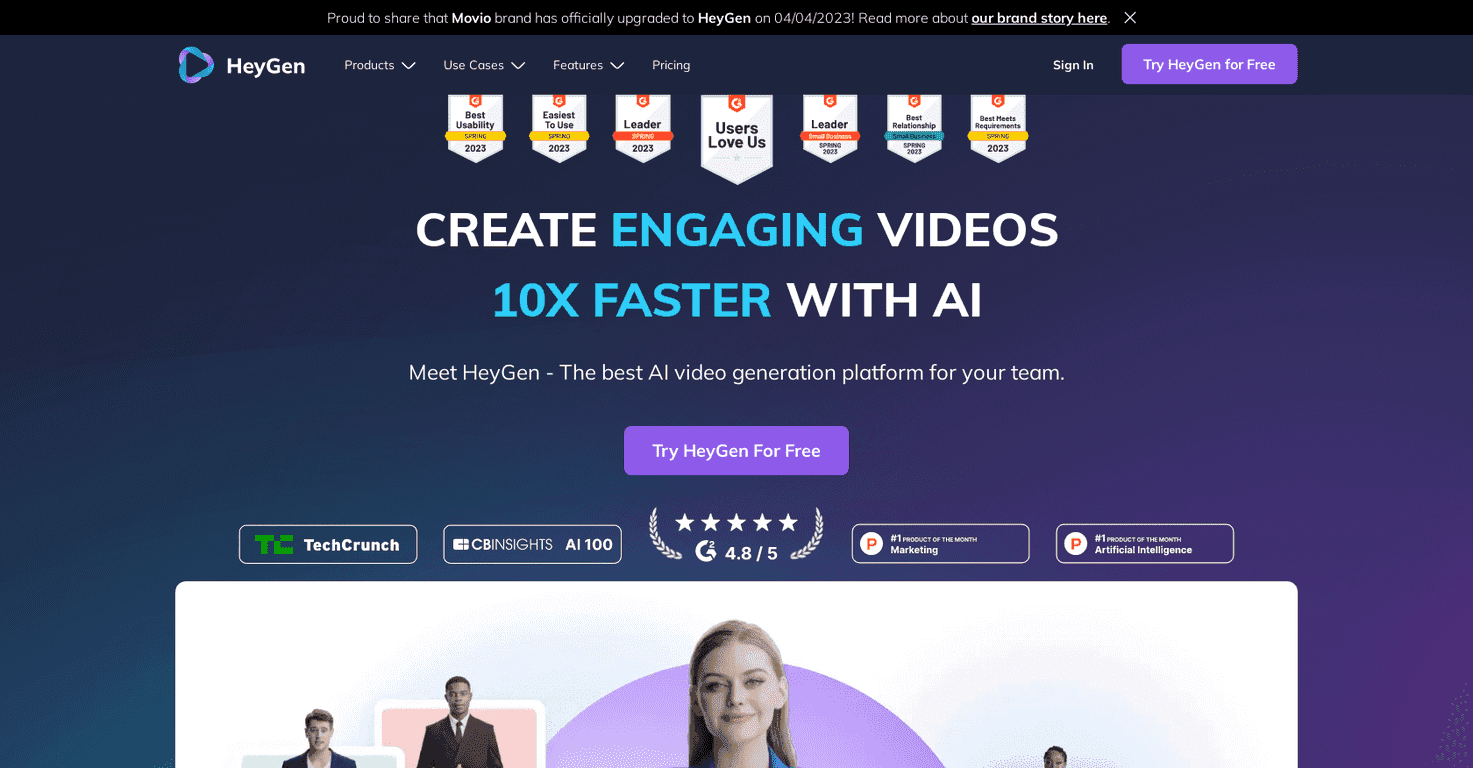
HeyGen is an innovative platform that revolutionizes video creation with its AI-driven capabilities. One of the standout features of HeyGen is its ability to produce avatar videos that can be translated into 175 different languages. This means that you can communicate your message globally without breaking a sweat. Plus, the option for customizable backgrounds and voices allows for an array of personalized touches, making each video truly unique.
The user interface is friendly and straightforward, making it easy for anyone, regardless of their technical skill level, to create stunning video content. With interactive avatars, your videos can engage users on a dynamic level that keeps them hooked. You can even access stock avatars, so you have options even if you don’t want to create your own. If you’re a developer, the API access is a fantastic bonus that opens up further possibilities for integration and customization.
However, it’s worth noting that there can be a slight learning curve for those who are not familiar with video-editing tools. Additionally, like any online platform, you will need reliable internet for all functions, and sometimes the AI’s interpretation might miss the nuanced touch of human conversation, affecting the authenticity of your videos.
Key Features
- Creation of avatar videos
- Video translation feature in 175 languages
- Personalized video options
- Interactive avatars for enhanced engagement
- Stock avatars available for various use cases
- API access for developers looking to integrate
- Customizable backgrounds and voice options
Pros and Cons
Pros
- Studio-quality video production without filming
- Support for various languages for global reach
- Easy editing capabilities eliminate the need for reshoots
- User-friendly interface simplifies video creation
- Focus on security and privacy, ensuring compliance
Cons
- Potential learning curve for video editing novices
- Dependent on stable internet connection
- AI might struggle with context and conversational nuances
Pricing Plans
While specific pricing details weren’t mentioned, HeyGen offers several plans, including options for API access. Users can start with a free sign-up to explore the platform before deciding on a paid plan. For detailed pricing information, it is best to check the official HeyGen pricing page.
Wrap up
In conclusion, HeyGen is an impressive AI video generation platform that opens up vast possibilities for content creators in the video podcast space. With its user-friendly features, customizable options, and ability to bridge language barriers, it’s a powerful tool for personal and professional use. If you’re ready to elevate your video podcasting experience, HeyGen might just be the contender you need!
Promote Video Podcast