Table of Contents
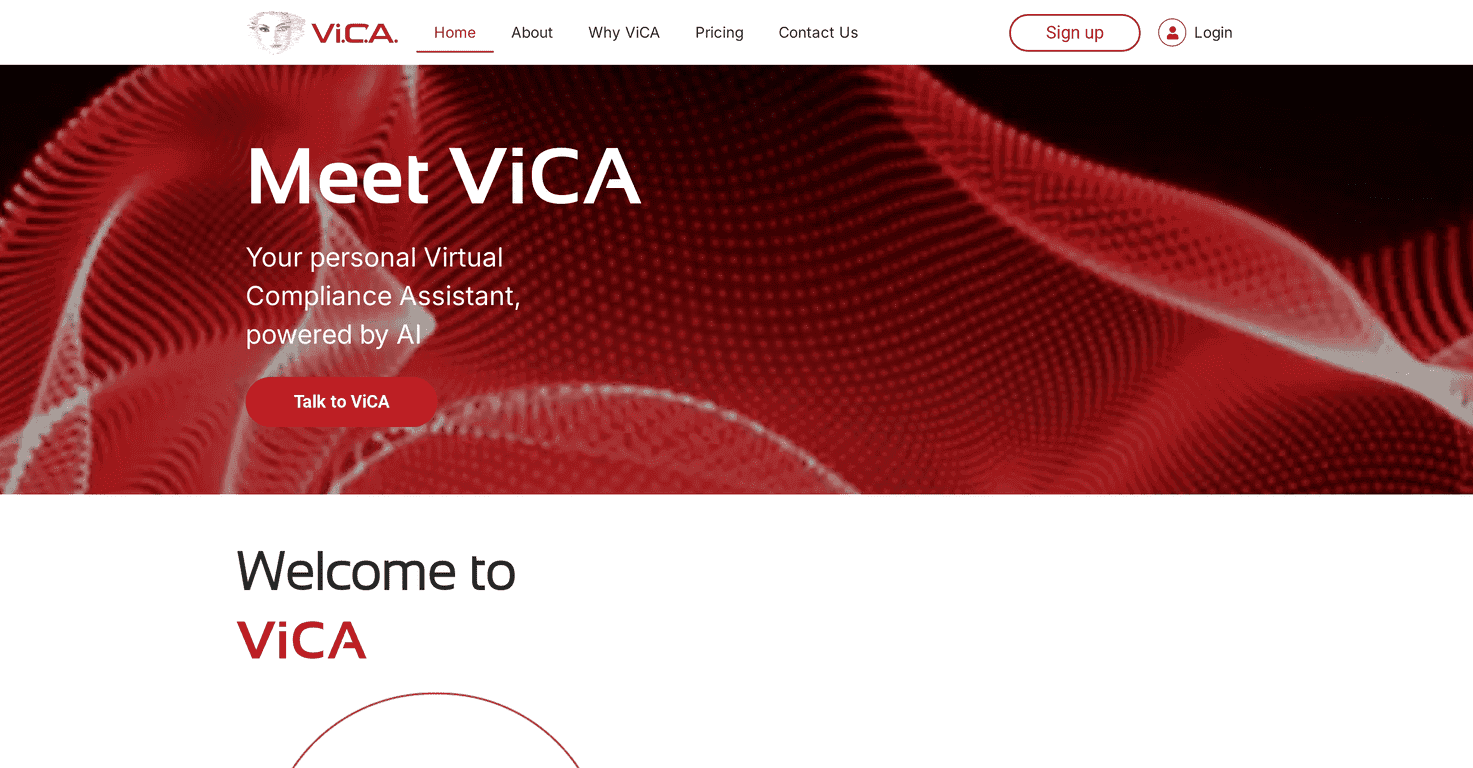
Compliance is one of those areas where the stakes are always high, and the rules seem to change just when you think you’ve got them nailed. I’ve seen teams burn time chasing updates, rewriting internal notes, and double-checking what applies to their situation. That’s why I wanted to test ViCA—the Virtual Compliance Assistant—because it’s built specifically around UK and EU compliance.
In my experience, the biggest win with ViCA is that it feels like you’re talking to a real helper, not just searching through a pile of documents. You ask a question, you get an answer, and the interface makes it easy to keep going without feeling lost. And yes, it also has a human support element when the question gets complex.
ViCA Review: what I noticed after testing it
ViCA is positioned as an AI-powered compliance assistant for people working across UK and EU requirements. I’m not saying it replaces compliance professionals (it doesn’t), but it does help when you need quick clarity—especially for questions like “Which rule applies here?” or “What should I document for this process?”
One thing I liked is that it doesn’t feel like generic chat. It’s geared toward compliance work, so the responses tend to stay on topic instead of drifting into vague advice. Also, the idea of real-time updates for UK and EU regulations matters in practice—if you’re trying to keep internal policies current, you don’t want to rely on last year’s information.
And yes, there’s a feedback loop with a human support team. That’s a big deal for me because the questions that trip people up aren’t always the ones with simple answers. When you hit edge cases, it’s reassuring to know there’s escalation instead of “here’s a best guess.”
Key Features I’d actually use
- AI-powered assistance that’s meant for real user questions (not just surface-level explanations)
- Real-time updates on compliance regulations for UK and EU contexts
- A compliance knowledge base focused on UK and EU regulations
- A feedback loop that improves outputs with support from a human team
- A specialized regulatory database for deeper regulatory data when you need more than a quick summary
- User-friendly communication so you can get help fast without wrestling with complex tooling
If you’re wondering what this looks like day-to-day, I’d use it for things like drafting initial checklists, sanity-checking whether a requirement is relevant, or turning a dense regulation into something your team can understand. It won’t “make decisions” for you—but it can save time getting to the right starting point.
Pros and Cons (straight from my perspective)
Pros
- Answers feel tailored: In my tests, the tool responded in a way that matched the compliance angle I was asking about, instead of giving generic legal-sounding text.
- Accessible interface: Even if you’re not super technical, it’s easy to ask follow-up questions and keep moving.
- Regulatory updates are a priority: The “real-time” positioning is exactly what compliance teams need when policies have to stay current.
- Human support backup: I like that there’s a human feedback layer for the tougher questions—because that’s usually where AI can fall short.
Cons
- It can’t guarantee the newest changes 100% of the time: Like any AI system trained on datasets and updated content, there can be gaps or delays. For critical work, you still need to verify against official sources.
- Not a replacement for professional advice: For decisions involving enforcement risk, approvals, or regulatory reporting, you should treat ViCA as support—not the final authority.
Pricing Plans: what you get before you pay
ViCA includes a free trial with up to 20 queries. After that, you’ll need a subscription for full access. If you want the exact pricing and what each tier includes, you’ll need to check the Pricing page on the ViCA website—plans can change, and I don’t want to guess.
Wrap up
Overall, I think ViCA is a solid compliance companion—especially if you’re the kind of person who’s constantly answering “what does this mean for us?” questions. It’s quick, it’s focused on UK/EU compliance, and the human support element makes it feel more trustworthy than a purely automated chatbot. Just don’t skip the basics: for high-impact compliance decisions, verify the details and use professional judgment.
Promote ViCA