LIFETIME DEAL — LIMITED TIME
Get Lifetime AccessLimited-time — price increases soon ⏳
BusinesseBooksWriting Tips

Spiral Binding Books: How They Work, Types, Benefits, and Tips

Updated: April 20, 2026
14 min read

Table of Contents

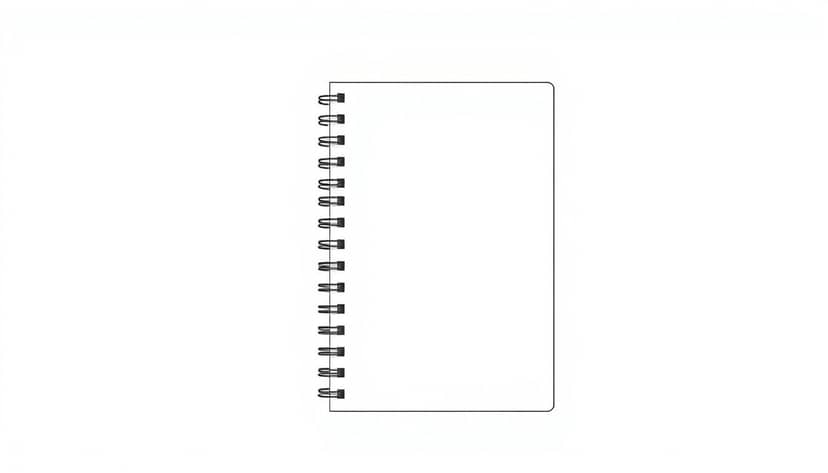
If you’ve ever flipped through a thick book and had pages snag or tear, you already know the problem spiral binding solves. I’ve seen it happen with cheap glue jobs and poorly aligned holes—one bad batch and the book feels like it’s falling apart every time you open it. Spiral binding is different. The pages are punched and held by a coil, so the book opens flat and stays usable even when it’s getting handled a lot.

In my experience, spiral-bound books are the ones that make it through real life: classrooms, field manuals, recipe binders, training packets—places where you’re constantly opening the book, folding it back, and writing in it. In this article, I’ll break down how spiral binding works, the main types of coils, what you should look for when ordering, and a few practical tips to avoid the most common “why is this binding weird?” issues.

Key Takeaways

  • Spiral binding uses a plastic or metal coil threaded through punched holes along the page edge, letting the book lay flat and open fully (often close to a 360° flip).
  • It’s a solid choice for manuals, workbooks, cookbooks, and presentation binders where you’ll be opening the book repeatedly.
  • Spiral binding is durable and practical: pages turn smoothly, it’s easy to clean, and you can flip back without stressing a traditional spine.
  • Updates are easier than glue-based bindings. If you need to swap pages, you can usually re-punch and reinsert without re-binding the whole book.
  • There are multiple coil styles (single-loop, double-loop/twin-loop, plastic, metal, clear/colored), and the coil type affects lay-flat behavior and how “tight” the book feels.
  • Choosing the right coil diameter matters. Too small and the book won’t open flat; too big and the pages can wobble or feel loose.
  • Binding is straightforward in the workflow sense: punch holes, thread coil, and crimp the ends. The biggest mistakes I see are misaligned holes and coil mismatch.
  • Costs depend on coil material, coil size, paper thickness, quantity, and customization. Larger runs usually reduce the per-unit price, but short runs can still be cost-effective.
  • Eco-friendly options are becoming more common, but “green” varies—look for recyclable coil materials and paper specs (like FSC-certified stock) rather than vague claims.

1762787936

Ready to Create Your eBook?

If you’re planning a print version (like a workbook or manual), spiral binding can be a great fit—especially for layouts that need frequent updates.

Get Started Now

Stefan

Stefan

Stefan is the founder of Automateed. A content creator at heart, swimming through SAAS waters, and trying to make new AI apps available to fellow entrepreneurs.

Related Posts

Writing Workshops: A Guide to Different Types and Benefits

Writing Workshops: A Guide to Different Types and Benefits

If you’ve ever thought writing workshops are just fancy classes, you might be missing out on a real opportunity to grow. Whether you’re stuck on your story or just looking to sharpen your skills, workshops can offer honest feedback and fresh ideas. Keep reading, and you’ll find out how these group sessions can turn your … Read more

Stefan
A rustic cabin in a tranquil forest with tall trees, soft sunlight filtering through leaves, and a wooden desk on a porch featuring an open notebook and fountain pen.

Writing Residencies: Types, Benefits, and Application Tips

Ever feel like life just doesn’t give you a moment to breathe, let alone write? Finding uninterrupted time to pour your thoughts onto the page can be a real challenge. But what if there was a getaway designed just for writers like us? A place to escape the noise and dive deep into our stories. … Read more

Stefan
Understanding Public Domain Books and Why They Are Important

Understanding Public Domain Books and Why They Are Important

I get it—trying to figure out what public domain books are and how to use them can be confusing. Maybe you’re wondering which books are free to share or how to find them without getting lost in the process. Don’t worry, I’m here to help you understand it all without any hassle. Keep reading, and … Read more

Stefan
Dumb It Down Generator: Benefits, Types, and Usage Tips

Dumb It Down Generator: Benefits, Types, and Usage Tips

Have you ever read something so complicated that your brain felt like it was doing a gymnastics routine? You’re definitely not alone! Many of us struggle to understand dense information, whether it’s technical jargon or academic fluff. It’s frustrating when you just want clear, simple answers. But don’t worry! If you stick with me, I … Read more

Stefan
Book Binding Types Explained: Choosing the Best Style for Your Project

Book Binding Types Explained: Choosing the Best Style for Your Project

Choosing the right book binding can feel overwhelming, especially with so many options out there. But don’t worry—by understanding the main types, you’ll find it easier to pick the perfect one for your needs. Stick with me, and I’ll break down the most common binding styles, what makes each special, and how to choose the … Read more

Stefan
Literary Agency Commissions Explained: How They Work and Rates

Literary Agency Commissions Explained: How They Work and Rates

Sometimes writers hesitate about how much agents charge, worrying it might eat into their earnings. If you keep reading, you’ll get a clear, easy explanation of how agency commissions work, what rates to expect, and tips to handle costs wisely. Stick around, and you’ll see how understanding commissions can help you make smarter decisions about … Read more

Stefan
Your AI book in 10 minutes150+ pages · cover · publish-ready