Table of Contents
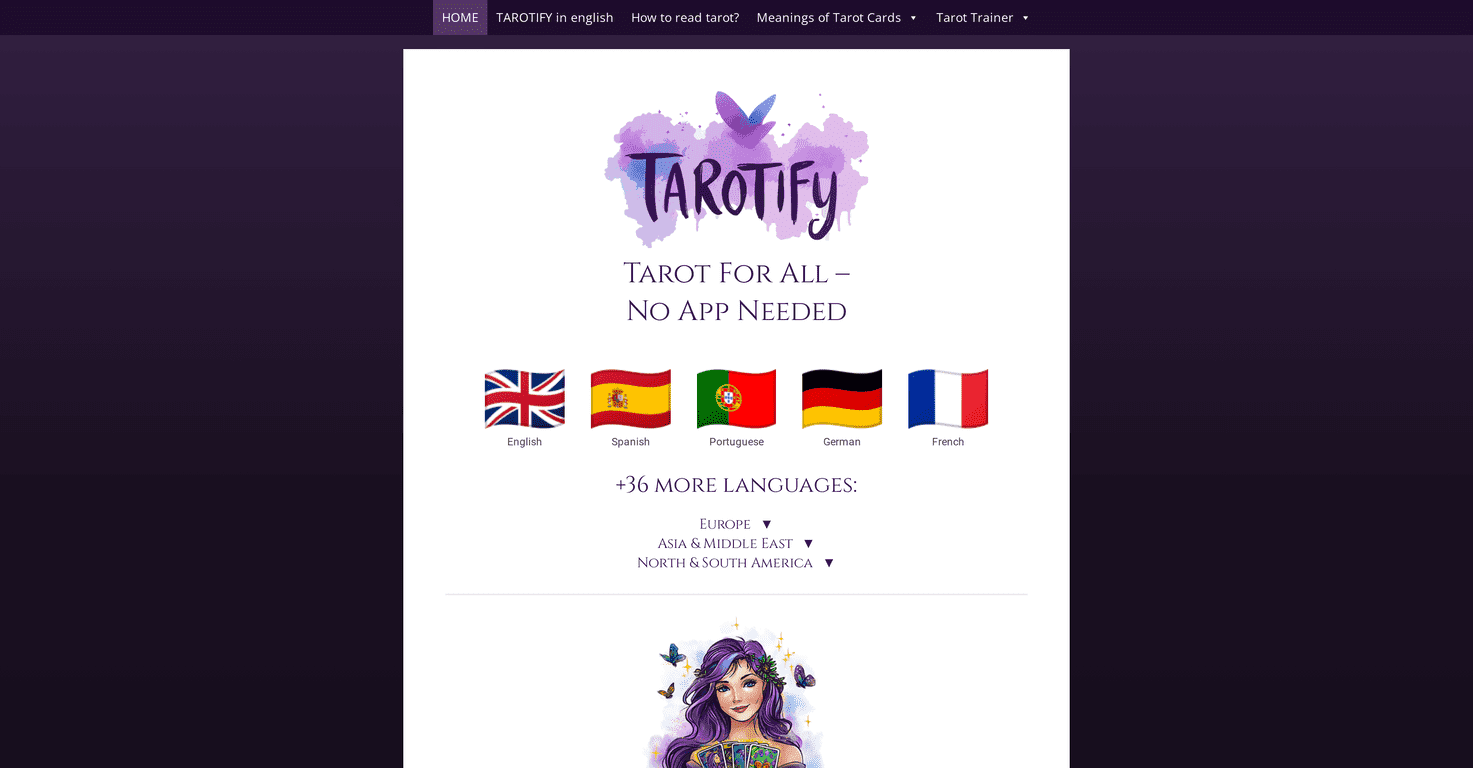
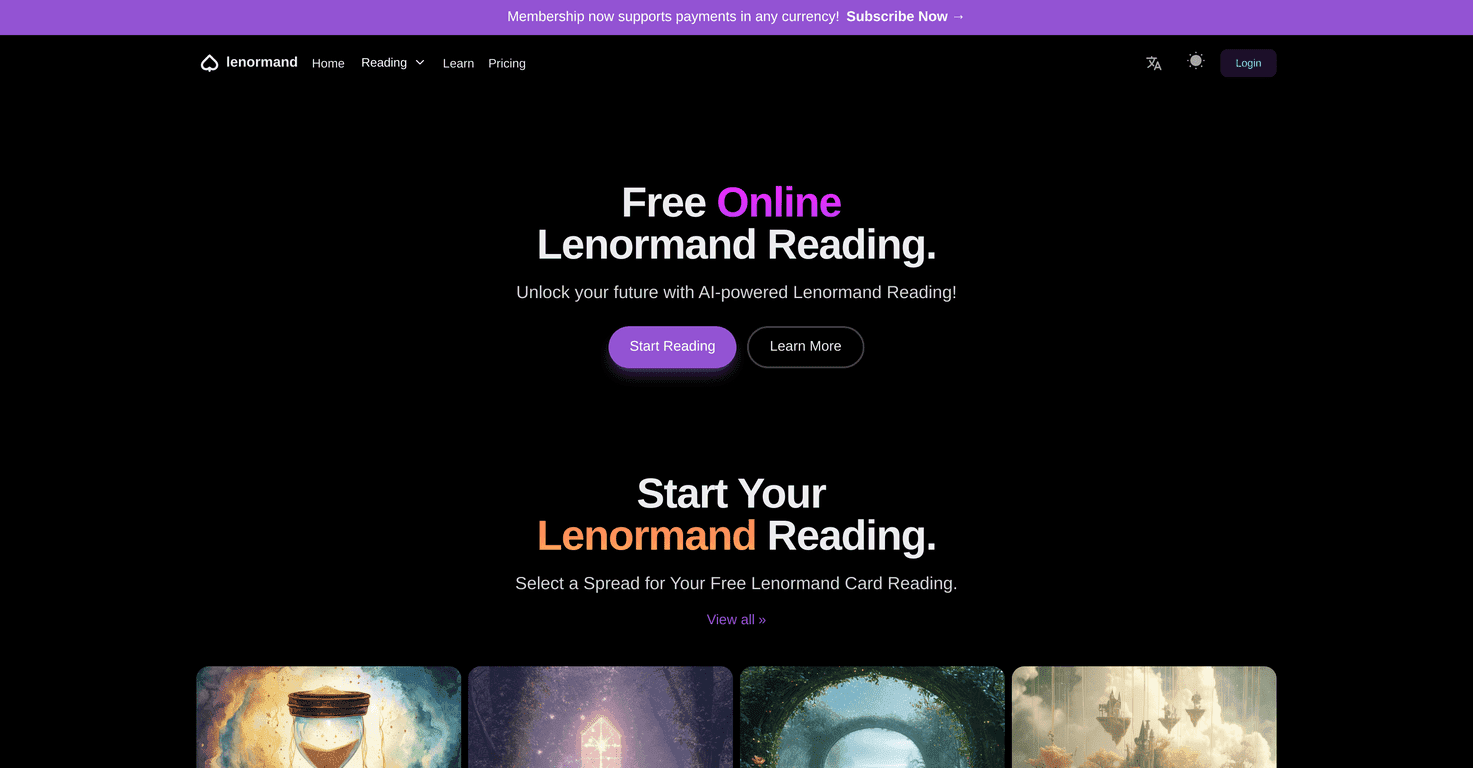
Ever get the itch to ask, “What’s coming next?” I’ve been there. If you’re curious about Lenormand card readings, Lenormand is one of those sites that lets you explore without committing money up front.
In my experience, the biggest draw is how quickly you can get a reading. You pick a spread, you run the cards, and you get an interpretation right away—perfect for those nights when you don’t want to wait around or dig through a ton of reference material.
Lenormand Review: What You Get From the Free Online Readings
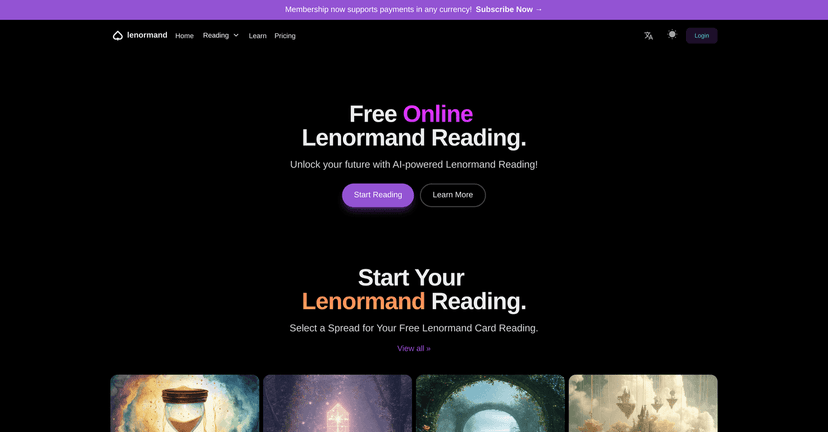
Lenormand is an online platform built around the idea that you can explore card meanings fast—without needing to be an expert. It leans on AI-powered readings, but the experience still feels centered on classic Lenormand spreads and card interpretation.
What I liked right away is that it doesn’t drown you in setup. You can jump in, choose a spread, and get something you can actually read immediately. No long onboarding. No “wait 24 hours” nonsense. If you’re trying to check in on a situation—love, work, timing, decisions—that speed matters.
The heart of the platform is its spreads. You’ll see options like the Past-Present-Future, The Cross, and the Grand Tableau. Each one is designed to answer a slightly different kind of question. For example:
- Past-Present-Future is great when you want a simple timeline—what led to this, what’s happening now, and where it might go.
- The Cross feels more like a “what’s influencing this” spread, especially when you’re stuck between two choices.
- Grand Tableau is the one I treat as a deeper scan. It’s not always the easiest to interpret on the first try, but it can be useful when you want a bigger picture.
One thing to keep in mind: because these are AI-generated interpretations, they’re best as a starting point. I don’t mean that as a dealbreaker—just realistic. Sometimes the wording is generic, but other times it’s surprisingly on-point, especially if your question is specific.
If you’re new to Lenormand, this kind of instant feedback is handy. If you’re more experienced, you’ll probably use it differently—like a quick practice tool or a way to test how certain cards might show up in a reading.
Key Features That Matter (Not Just the Marketing)
- Free Online Readings
- AI-Powered Insights for quick interpretations
- Multiple Spreads like Past-Present-Future, The Cross, and Grand Tableau
- Educational Resources (helpful when you’re still learning meanings)
- User-Friendly Interface that doesn’t waste your time
Pros and Cons From My Testing
Pros
- Completely free access to readings, which honestly makes it easy to test different spreads without worrying about cost.
- Simple, user-friendly navigation. I didn’t have to hunt around to figure out how to start a reading.
- Instant results. If you’re doing a quick check-in, waiting isn’t the point—this delivers fast.
- Available 24/7, which is great if you’re reading at odd hours (I know I am).
- Beginner-friendly learning. The educational content helps you connect the dots instead of guessing.
Cons
- Interpretation depth can feel uneven. Some readings are clear and detailed; others feel a bit more surface-level than what you’d get from an experienced human reader.
- Less personal connection. If you prefer a reader who asks follow-up questions and adapts to your situation, an online AI reading can’t fully replace that.
Pricing Plans (Spoiler: It’s Refreshingly Simple)
Lenormand offers completely free readings. No sign-up wall, no payment required just to try it. If you’re comparing options, this is a big reason people will stick around—especially if you want to practice multiple spreads and see what resonates.
That said, since it’s free, I’d still treat the readings like guidance, not a guarantee. Use it to reflect and decide what feels true for you.
Wrap up
Overall, I think Lenormand is a solid option if you want free Lenormand card readings online and you like getting answers quickly. The spread choices (Past-Present-Future, The Cross, Grand Tableau) make it easy to match the reading style to your question. And for beginners, the educational angle is genuinely useful.
Just don’t expect it to replace a great human reader—because it won’t. But as a starting point, a practice tool, or a way to explore possibilities when you’re unsure, it works well.
Promote Lenormand