
Table of Contents
Writing alternate history can feel tricky, especially when you’re deciding how to twist events without sounding ridiculous. You’ve probably wondered, “How can I pull this off without messing up history entirely or boring my readers?” Believe me, I get it.
Luckily, writing great alternate history isn’t rocket science. If you keep reading, you’ll find straightforward steps to craft a believable past, interesting characters, and a compelling story that’ll have readers hooked.
Ready to see how it’s done? Here’s an easy step-by-step guide to help you write an alternate history story people actually want to read.
Key Takeaways
- Choose a specific historical event with clear and significant impacts to change in your story.
- Clearly define what has changed from real history, considering realistic outcomes of this event to maintain logical flow.
- Research thoroughly to make your alternate world believable—cover details like culture, society, and technology.
- Select the right genre or mood—serious or fun—to help set the overall feel of your story.
- Create believable characters shaped by their historical context—with realistic motives, flaws, and personalities.
- Build conflicts and plot twists that naturally come from the chosen event, ensuring your story stays interesting.
- After writing, revise thoroughly, use reader feedback, and publish in your preferred platform to reach your audience.

Step 1: Pick a Historical Event to Change
The first—and often hardest—step in writing alternate history is choosing a historical event to alter. To keep readers interested, pick something genuinely compelling that has clear, recognizable consequences. Maybe it’s a war that shaped nations or a chance meeting that sparked a pivotal invention. For instance, imagine if the American Revolution had failed or if the Roman Empire didn’t collapse; either event would hugely impact today’s world. Don’t overlook smaller moments either—they can also have fascinating ripple effects that fuel a gripping storyline.
As a practical tip, consider jotting down ideas using seasonal or themed winter writing prompts or historical fiction prompt lists. These can help you spark ideas and find fresh perspectives on well-known events.
Step 2: Decide Exactly What Will Be Different
Next, clarify precisely what differs in your alternate timeline compared to real events. Don’t vaguely say “Hitler won WWII” without exploring exactly how that happened. Instead, dig deeper into specifics: What battle turned differently to tip the balance? What mistakes or successes occurred differently from recorded history? For example, suppose Germany’s Enigma cipher machine was never cracked—how would that affect strategic outcomes and ultimately reshape Europe?
Here’s a trick: answer the questions “what if?” and “why?” repeatedly until you have a realistic and intriguing scenario. By clearly defining these changes upfront, you’ll create internal logic that your readers can buy into.
Step 3: Do Historical Research to Build a Believable World
This one sounds obvious, but trust me—you need a solid understanding of the actual historical context before rewriting it. Dive into quality sources to accurately capture details like clothing, speech, technology, and social customs. Remember, readers appreciate and trust stories that feel authentic, even when history takes an unexpected turn.
For example, if you’re altering a moment from Ancient Rome, learn authentic details about Roman housing, politics, and meal habits. Look at historical documents, academic resource websites, and even documentaries. Also, don’t just stick to the central event itself—research surrounding customs and lifestyles to build more vivid scenes and believable characters.
This groundwork makes your fictional shifts more believable, allowing readers to let go and fully immerse themselves in your imaginative storytelling.
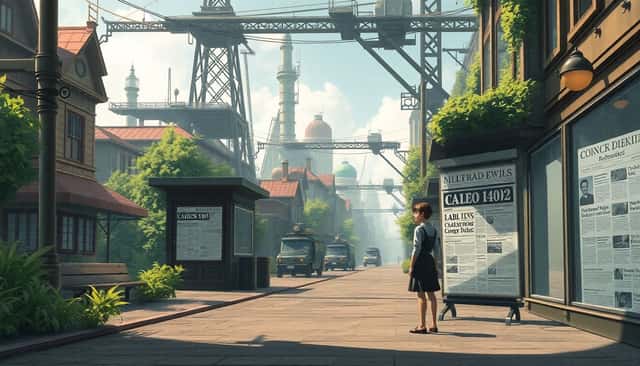
Step 4: Choose an Alternate History Style or Genre
Now, pick the type or mood you want your alternate history story to have—because there are plenty of options and each has different appeal.
Want a serious, thought-provoking tale? Historical and literary fiction writers often go for gritty realism, like Philip K. Dick did in the alternate history classic The Man in the High Castle, which still influences writers today and remains one of the genre favorites published without an agent.
If serious isn’t your style, you can have playful fun with your alternate history—mixing satire, humor, or even a steampunk twist to keep things engaging and imaginative.
Picking a clear genre helps keep your story consistent and engaging, and it also helps readers know what they’re getting into—which can really boost your chances of connecting well with your audience.
Step 5: Build Your Alternate World and Society
With your event chosen, it’s time to think about how this changes your entire world—not just history books, but society itself.
Ask yourself practical questions like: If World War II ended differently, how would tech and transportation evolve by now? What if certain countries never existed—what cultures and languages would take center stage instead?
Flesh out everyday details: politics, government, daily life, tech gadgets, healthcare, education—even popular entertainment.
This step is not just about making your alternate history believable, it’s about making it fascinating for the reader, too, ensuring they’re excited to spend time in this new version of reality.
Step 6: Create Interesting Characters Who Fit Your New History
Your characters should fit naturally into the world you’ve created—they’re shaped by it, just like people in real life are shaped by history.
Create personalities, occupations, and backgrounds that reflect your alternate timeline: If the British Empire never fell, a character might have attitudes and behaviors influenced by empire-building politics.
Ensure your protagonists and antagonists aren’t just historical cardboard cutouts, but relatable people with flaws, desires, emotions, and authentic motivations.
Your readers will quickly spot unrealistic or shallow characters, so put some thought here and make them feel real. Real people are messy, funny, and imperfect—and your characters should be too.
Step 7: Set Up Main Conflicts and Story Challenges
No good story exists without conflict, so you’ll want your alternate-history tale to be built around interesting obstacles and challenges.
These conflicts can be small and personal (a family dealing with radical changes to their society) or huge and epic (entire countries grappling with war, rebellion, or economy).
Try to have your main conflict naturally arise from the historical change you’ve made: If you’re writing about a world where science developed differently, your character’s struggle could involve groundbreaking discoveries or ethical dilemmas that our real history never faced.
Step 8: Outline Main Events and Story Flow
Time to structure your alternate history story in a clear, easy-to-follow format so readers won’t get lost—and so you won’t either!
Create a basic outline with simple bullet points or short paragraphs. Include main milestones, important turning points, and how your story resolves.
You don’t have to be too rigid—you can always adjust as you write—but the outline is your map keeping you on track and preventing your story from feeling random or disconnected.
Step 9: Include Themes and Popular Story Ideas While Keeping it Original
You don’t have to completely reinvent the wheel—readers appreciate familiar themes and ideas—but avoid clichés or copy-pasting other stories.
Popular themes like power struggles, identity, freedom, injustice, or survival resonate with people for a reason. Look at well-loved tropes such as the dystopian society plot—there are excellent tools like a dystopian plot generator if you’re stuck for ideas.
The trick here is balance—use popular themes in your alternate-history story, but add your unique spin by staying authentic to your world-building and characters.
Step 10: Check for Historical Accuracy and Story Logic
Even in alternate history, things should make logical sense—your readers won’t stick around if things don’t add up.
After completing your first draft, go back and read with a critical eye, identifying any logic gaps or anachronisms. You want to be sure you’ve respected the internal rules you’ve set in your world.
Use beta readers or professional editors to give an outside perspective; they often see things you might miss as the author and help keep your story believable.
Step 11: Get Feedback and Revise Your Story
Don’t skip this step—even though it’s tempting, revisions usually differentiate a good story from a great one.
Share your draft with trusted readers who’ll give honest feedback, and actually listen—even when it’s tough. Editing can involve small tweaks or bigger changes if something’s not working.
Remember, your aim is making your alternate history enjoyable and meaningful to readers. Crafting quality fiction is rarely accomplished without multiple revision phases, so embrace the feedback stage instead of fearing it.
Step 12: Publish and Share Your Alternate History Story
You’ve done the hard work—now it’s time to get your alternate history out into the world!
There are multiple options available, whether traditional publishing, self-publishing through platforms like Amazon Kindle Direct Publishing, or publishing directly on your own website or blog.
You can increase visibility and book sales on marketplaces by thoughtfully selecting your categories and keywords. Resources for discovering top-selling book categories can help authors aiming to increase book sales on Amazon.
Even if you’re nervous about sharing your story, remember this genre has a solid following and continues to interest readers worldwide—so go ahead and get your imaginative work out there!
FAQs
Select an event with clear and impactful consequences. Favor recognizable turning points that can open compelling narrative possibilities. Events involving wars, assassinations, revolutions, or influential discoveries typically offer the richest potential for meaningful alternate outcomes.
Common mistakes include overlooking historical details, making unrealistic leaps, or ignoring authentic social and technological contexts. Keeping historical logic consistent and avoiding anachronisms helps readers remain invested in your alternate history’s credibility.
Striking the right balance matters. Historical accuracy provides believability, while compelling characters drive reader engagement. Prioritize creating relatable characters within a consistently believable historical context to deliver an engaging alternate history narrative.
Use familiar historical touchpoints and incorporate original twists and unexpected shifts. Relatability is maintained through recognizable cultural or emotional aspects, while uniqueness arises from your distinct changes, intriguing outcomes, and imaginative narrative paths.