Table of Contents
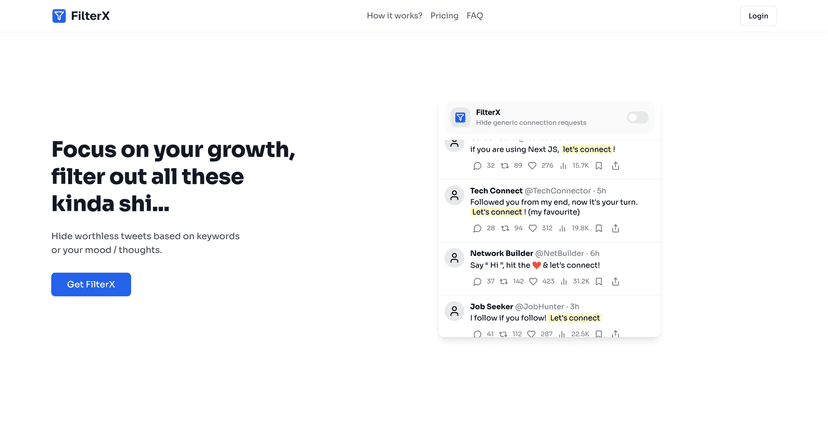
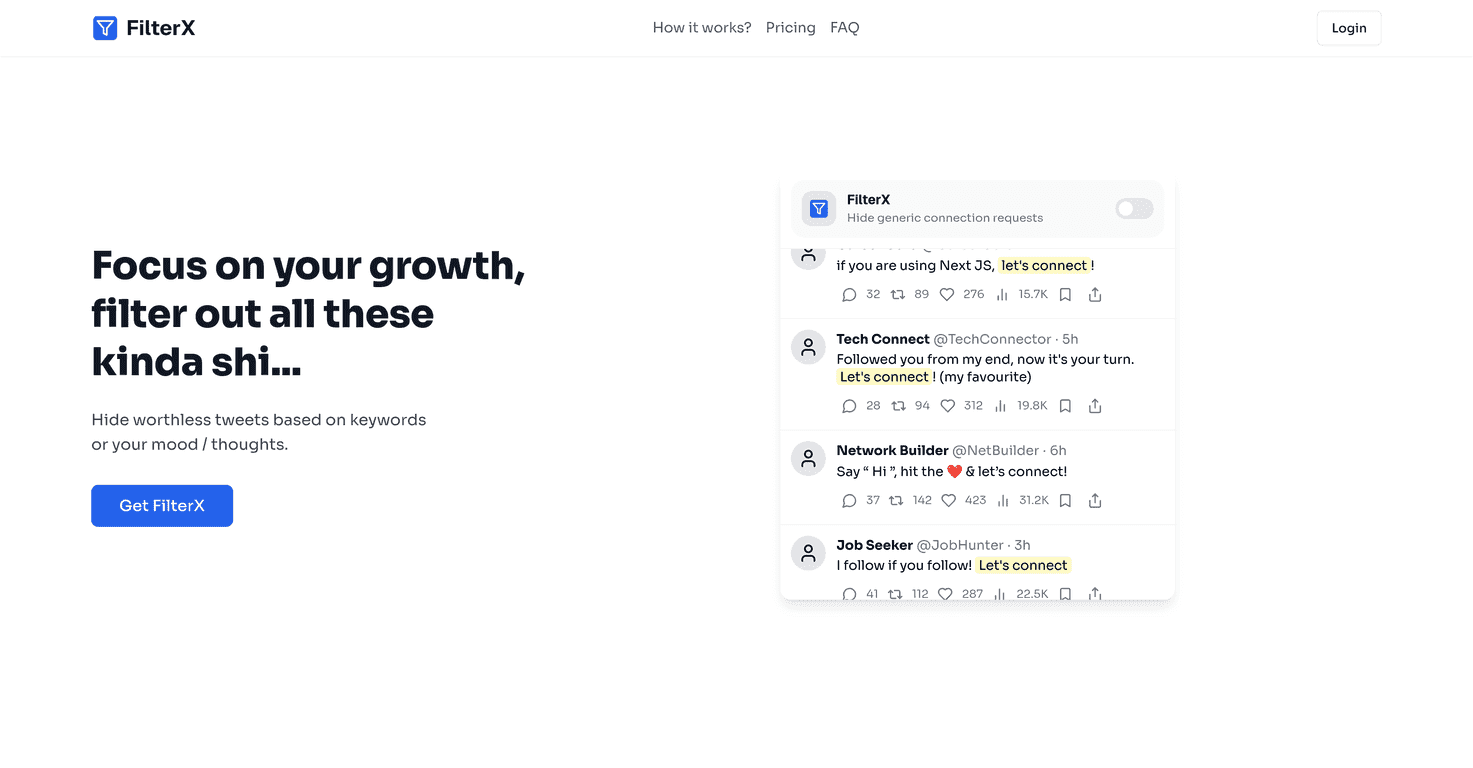
I’ve tried a bunch of “information organizer” tools over the years, and honestly, most of them either feel too complicated or they don’t filter anything in a way that actually saves time. That’s why I was curious about FilterX. The whole idea is simple: instead of letting you drown in emails, tabs, feeds, and random links, FilterX focuses on showing you what you care about.

Now, I’ll be upfront—this review is based on what’s publicly described about FilterX, and some specifics (like exact pricing and a full feature list) aren’t clearly laid out in the material I could access. Still, the positioning is pretty consistent: filtering, personalization, and keeping your feed relevant so you can spend less time hunting and more time getting things done.
FilterX Review: Does It Actually Cut the Noise?
FilterX is positioned as a tool for filtering through “vast amounts of information,” which is exactly what most people need—especially if you’re managing content for work. In my experience, the biggest problem with most content and inbox tools isn’t that they don’t have features. It’s that the filtering rules are either too rigid or too hard to set up.
What I like about FilterX’s pitch is that it’s clearly aimed at relevance. Instead of throwing everything at you and hoping you’ll sort it out, it’s supposed to show you what matches your preferences. That could be a big deal if your day is packed—like if you’re monitoring industry updates, tracking topics for research, or keeping tabs on client-related info.
One question I always ask with tools like this: will it help me faster, or will it just add another dashboard to maintain? From the way FilterX is described, the goal is speed and organization—reducing the time spent scanning irrelevant stuff.
Key Features I’d Expect (and What’s Mentioned)
- User-friendly interface that makes it easier to navigate without feeling like you need a training manual.
- Advanced filtering options so you can tune what you see. This is the part that matters most—filters should be flexible enough to match how you actually work.
- Integration capabilities with apps and platforms. If FilterX can pull in your sources, you won’t have to copy/paste everything manually.
- Real-time updates so the information you’re filtering doesn’t go stale. Waiting a day for updates is a deal-breaker for a lot of people.
Quick example: how I’d use the filters
If FilterX lets you set preferences by topic, keywords, or categories, I could see it being useful for something like:
- Work research: filter for “product updates,” “pricing,” and “release notes,” while ignoring everything else.
- Personal interests: filter for hobbies/creators you care about and block low-signal content.
- Client monitoring: filter for mentions of specific client names, projects, or relevant industries.
That’s the kind of setup that can genuinely save time—because you’re not starting from a blank page every time.
Pros and Cons (Honest Take)
Pros
- Time savings: the whole point is filtering out irrelevant information so you’re not constantly scanning.
- Better productivity: when content is organized around your preferences, it’s easier to act quickly.
- Customizable experience: filters tailored to different users (personal vs. professional) is a solid direction.
- Works across services (based on the described integration approach), which can reduce manual effort.
Cons
- Specific feature details aren’t clear from the information available here, so you’ll want to confirm exactly what FilterX can do.
- Pricing information isn’t readily available, which makes it harder to compare against alternatives.
- There may be a learning curve, especially if the filtering setup is more involved than a simple toggle.
What I’d double-check before committing
- How the filters are created (keywords? categories? rules?) and whether it’s quick to adjust.
- Whether “real-time updates” are truly real-time or just frequent refreshes.
- What integrations are supported (and whether the sources you care about are included).
Pricing Plans: What’s Available Right Now?
At the moment, I don’t have clear, confirmed pricing numbers for FilterX. That’s frustrating, but it’s also pretty common for newer tools or products that are still rolling out plans.
What I recommend in situations like this? Check the website directly (and keep an eye out for promotions). If there’s a free trial or a limited-time offer, that’s usually the best way to judge whether the filtering is actually useful for your needs—not just the marketing description.
Wrap up
FilterX looks like it’s aiming at a real problem: too much information, not enough signal. If the filters are customizable, the interface is easy to use, and the integrations bring in the sources you actually care about, it could be a solid way to stay organized without spending your whole day scrolling.
Just don’t blindly trust the concept alone—since some feature and pricing specifics aren’t spelled out clearly, I’d verify the details on the site before you commit. If it matches what it promises, you’ll feel the difference fast. If not, at least you’ll know early.