LIFETIME DEAL — LIMITED TIME
Get Lifetime AccessLimited-time — price increases soon ⏳
BusinesseBooksWriting Tips

DIY Audiobook Home Studio Setup: Tips for Better Recording Quality

Updated: April 20, 2026
13 min read

Table of Contents

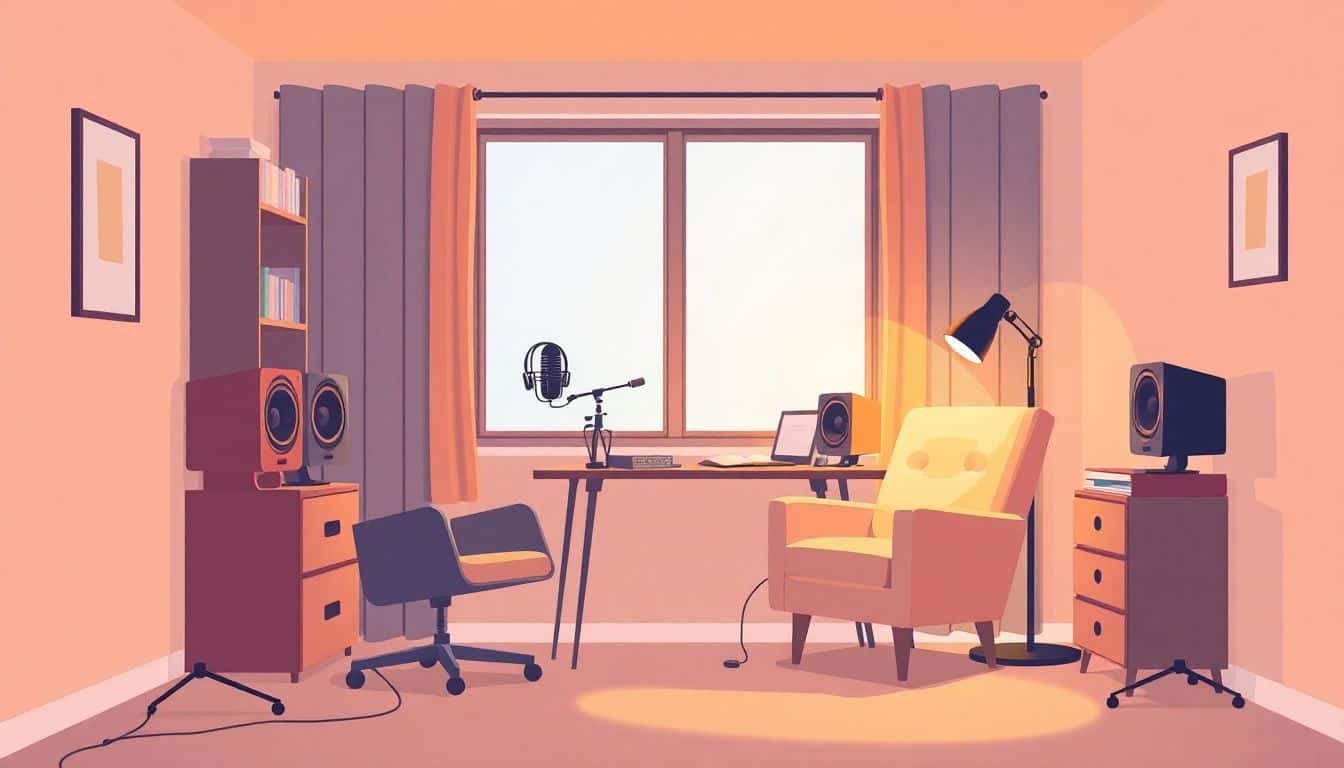
Setting up a DIY audiobook home studio sounds simple until you actually try it. I’ve helped friends troubleshoot their first recordings, and the pattern is always the same: they pick a mic, hit record, and then wonder why the audio sounds “boxy,” hissy, or way too quiet. I get it—when you don’t have a dedicated studio, it’s easy to feel like you’re fighting your room more than your script.

Here’s what I did (and what I’d do again) to get clean, consistent audiobook-style narration without going broke. I’ll walk you through choosing a room, picking the right basics, setting up your recording distance and levels, and then editing in a way that doesn’t turn into a never-ending project. If you follow along, you should be able to go from “rough takes” to “ready for distribution” pretty quickly—especially if you measure what’s happening instead of guessing.

In this post, I cover how to: prep your space, select gear, optimize your recording environment, record with better consistency, monitor levels like a pro, and do practical post-production. I’ll also show a DIY sound booth approach that’s realistic for a normal home (not just for people with a spare room the size of a closet… or a warehouse). Let’s build your home studio.

Key Takeaways

  • Pick the right room first: aim for low traffic + low echo. Soft surfaces (curtains, rugs, bookshelves) help control reflections more than people expect.
  • Start with the basics: a solid condenser mic, closed-back headphones, a pop filter, and an audio interface if your mic needs phantom power.
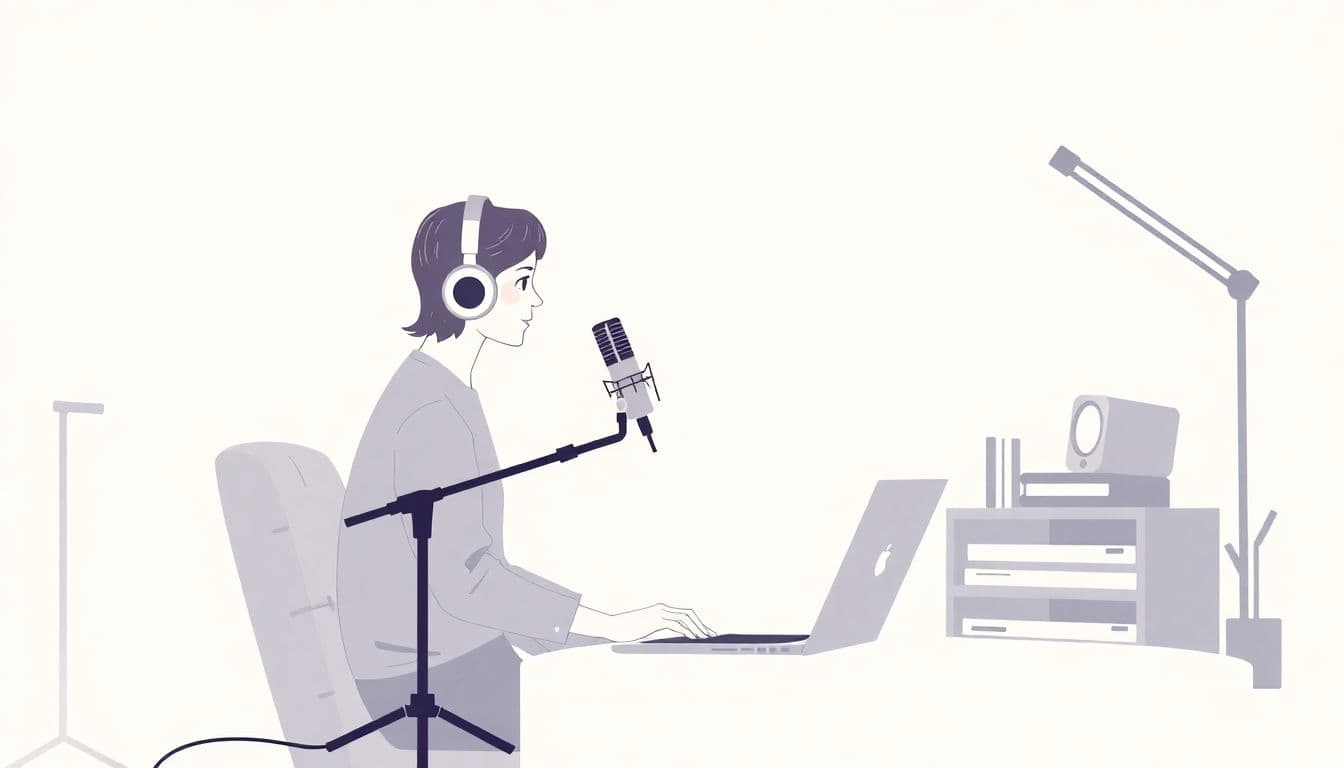
  • Get consistent mic technique: 6–12 inches from your mouth, slightly off-axis, and the same posture every take. Consistency beats “perfect settings” every time.
  • Record to WAV (lossless): you want headroom for editing. Keep peaks around -6 to -3 dB to avoid clipping.
  • Control noise at the source: turn off fans, close windows, mute notifications, and—if possible—record on a separate device to reduce computer noise.
  • Edit with a repeatable workflow: noise reduction profile, subtractive EQ, light compression, and loudness targets. Don’t just “normalize and hope.”
  • DIY sound booth = reduce reflections: a semi-enclosed setup (blankets/curtains over a frame) can noticeably improve clarity and reduce the amount of cleanup you need.

Quick reality check: blankets and foam don’t “soundproof” like a professional booth. They mainly reduce reflections and some outside noise. If you want true soundproofing, you’re talking construction. For most home narrators, reflection control is the win.


1760887018

Ready to Create Your eBook?

Try our AI-powered ebook creator and craft stunning ebooks effortlessly!

Get Started Now

Table of Contents

Stefan

Stefan

Stefan is the founder of Automateed. A content creator at heart, swimming through SAAS waters, and trying to make new AI apps available to fellow entrepreneurs.

Related Posts

Audiobook Recording Setup: Essential Tips for High-Quality Sound

Audiobook Recording Setup: Essential Tips for High-Quality Sound

Getting your audiobook recordings sounding clear and professional can feel overwhelming at first, especially if you’re new to setup stuff. But don’t worry—I promise that with a few simple steps, you’ll be able to get great sound and make your project stand out. Keep reading, and I’ll guide you through choosing the right gear, setting … Read more

Stefan
DIY Audiobook Recording Costs: How Much Does It Really Take to Do It Yourself

DIY Audiobook Recording Costs: How Much Does It Really Take to Do It Yourself

Thinking about recording your own audiobook can feel like a big expense. From buying equipment to setting up a space, costs can add up quickly. It’s common to wonder if it’s cheaper or worth the effort compared to hiring a professional studio. Stick around, and I’ll share how you can keep costs low while still … Read more

Stefan
How to Make an Audiobook: Tips for Recording and Publishing

How to Make an Audiobook: Tips for Recording and Publishing

With more and more people looking for ways to fit reading into their busy lives, it’s a great time to explore how to make an audiobook as audiobooks have become a fantastic solution. Creating an audiobook might seem like a big leap, but it’s an exciting journey that opens up your work to a whole … Read more

Stefan
recording a podcast from home on a budget featured image

Recording a Podcast from Home on a Budget: Complete Guide 2026

Learn how to start a high-quality podcast from home on a budget in 2026. Budget tips, gear recommendations, acoustics, and expert insights—all in one guide!

Stefan
Affordable Mics for Audiobook Recording: Top Budget Options and Tips

Affordable Mics for Audiobook Recording: Top Budget Options and Tips

Looking to find a good microphone without spending a fortune? It can feel overwhelming with so many options and technical terms flying around. But don’t worry, I promise that with a little guidance, you’ll be able to pick out an affordable mic that makes your audiobook sound professional. Stick with me and you’ll learn how … Read more

Stefan
Grammarly vs ProWritingAid: Which Writing Tool Is Better for You

Grammarly vs ProWritingAid: Which Writing Tool Is Better for You

If you’ve ever felt overwhelmed trying to pick the right writing tool, you’re not alone. Grammarly and ProWritingAid are two popular options, both promising to make your writing clearer and error-free. But which one actually fits your style and needs? Stick with me, and I’ll show you the differences, features, and prices of both tools, … Read more

Stefan
Your AI book in 10 minutes150+ pages · cover · publish-ready