Table of Contents
Writing post-apocalyptic fiction can feel seriously overwhelming, can’t it? There are already so many great books and shows out there that it’s easy to wonder, “What could I possibly add?” And then you start worrying about the usual stuff—how to keep the vibe gritty without turning it into a generic wasteland, how to make your story feel real, and how to get readers to care when pretty much everything is falling apart.
Here’s the good news: you don’t need a brand-new apocalypse to stand out. You need a sharp point of view, believable cause-and-effect, and characters who make choices that actually cost them something. In my experience, that’s what keeps people reading long after the opening chaos.
If you want a practical roadmap, I’ve put together 10 essential tips that cover the big pieces—from your protagonist’s journey to building a setting that feels lived-in. Use them like a checklist while you draft, and you’ll end up with something more coherent (and more compelling) than “end of the world happened, good luck.”
Key Takeaways
- Start with a protagonist who has a specific emotional wound and a reason to keep moving, even when they shouldn’t.
- Make your post-apocalyptic world feel like a character—rules, habits, and all.
- Pick one clear cataclysmic event (and decide what it changed) so your story has solid grounding.
- Choose a starting point that matches your theme: before, during, or after the collapse.
- Hit readers with danger early—give them reasons to fear for your characters, not just scenery.
- Plan pacing on purpose: alternate high-stakes scenes with quieter moments that reveal character.
- Build growth through moral dilemmas and hard trade-offs, not “character learns a lesson” speeches.
- Use realistic details (scarcity, travel time, weather, disease, social rules) to make the setting believable.
- Keep plot logic consistent—if something exists, it should still matter later.
- Use unique themes and elements to say something fresh about people, society, and survival.
1. Start with Your Protagonist’s Journey
Don’t start with the ruins. Start with the person. I usually begin by writing a quick “why them” paragraph: who your protagonist is, what they believe, and what’s at stake if they fail.
What background do they bring to the apocalypse? Not in a vague way—be specific. If they’re a trained medic, what do they know that the average survivor doesn’t? If they’re ex-military, what skills actually translate (navigation, triage under pressure, reading threats)?
And motivations matter. Is it revenge, guilt, love, or pure stubborn survival? Readers can feel when a character is just drifting through plot beats.
Finally, give them an emotional journey that matches the external one. You want growth they can’t fake. Maybe they start out hoarding resources, then learn that cooperation is the only way to make it through winter. Or maybe they’re all “trust no one” until someone risks themselves for them. That shift? That’s the hook.
2. Build Your Post-Apocalyptic World
In most post-apocalyptic stories, the setting isn’t just scenery—it’s the system your characters have to survive inside. I think of it like a character with moods and rules.
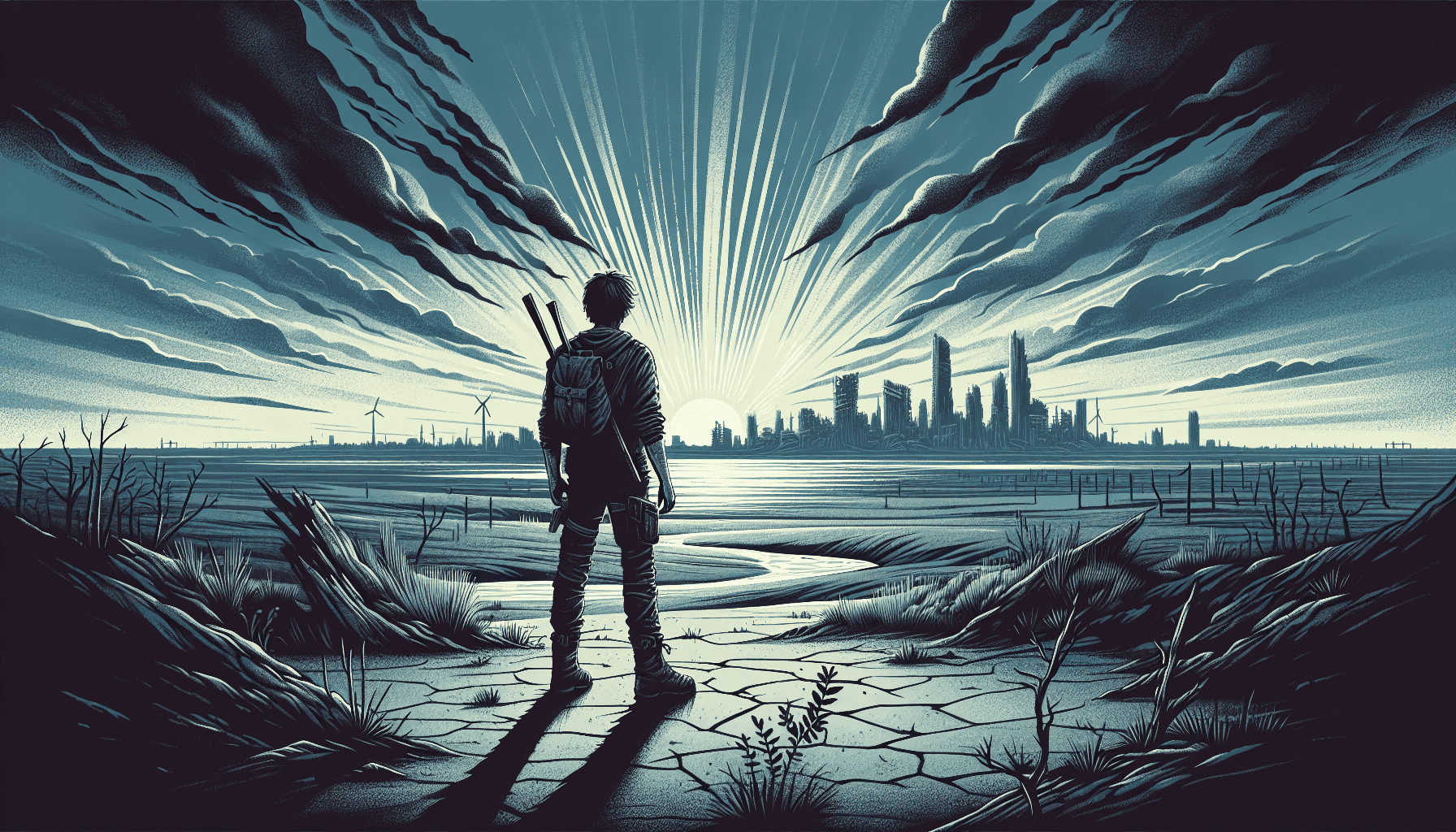
Ask yourself: what does the cataclysm leave behind? Crumbling cities are obvious, sure. But what about the new normal? Overgrown jungles, salt-stained roads, flooded highways, radiation “hot zones,” rusted vehicles that became landmarks—those details make the world feel real.
Also, don’t skip history. Even if your characters didn’t live through the worst of it, someone did. That means you can show “after-effects” in culture: slang that survived, taboos about certain areas, folk stories about the before-times, or weird survivor habits that make sense only in context.
One trick that helps me: write down 5 everyday problems your characters deal with (water, power, medicine, food storage, weather, travel time). If you can’t list them, your world probably isn’t doing enough work yet.
3. Define the Cataclysmic Event
The cataclysm is the “engine” behind everything. If you don’t know what happened, your world will feel foggy—and readers will notice.
It can be a nuclear war, a deadly virus, a climate collapse, a controlled experiment gone wrong—whatever you choose, decide what it changes. Does it wipe out crops? Does it alter weather patterns? Does it create long-term mutation? Does it break electricity for good or just for a few years?
And yes, you can pull inspiration from real societal issues. I don’t mean “copy headlines.” I mean use them as a springboard for how people react: shortages, misinformation, distrust in institutions, or new power structures forming overnight.
For example, pandemic stories have trained readers to expect certain kinds of realism: quarantine logic, symptoms, incubation timelines, and the way fear spreads faster than the disease. If you want that kind of believability, you’ve got to think beyond “everyone got sick.”
4. Choose Your Story’s Starting Point
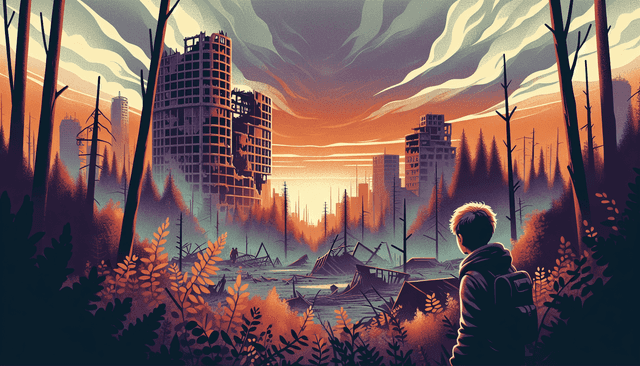
Where you start decides what kind of story you’re actually writing. Before the apocalypse? That’s tension and dread. During it? That’s chaos and rapid decisions. After it? That’s survival, rebuilding, and the slow horror of “life moves on.”
If you start right before the cataclysm, you can show normal life cracking in real time. I love this approach because it gives readers contrast—what’s lost feels personal.
If you start after, you can go deeper into adaptation. People have systems now. They’ve formed factions. They’ve learned what gets them killed. The downside? You have to make the past matter without turning it into a history lecture.
For instance, if the world has been rebuilt, your characters might still carry scars from the earlier collapse—missing family, ruined reputations, trauma that shows up in how they react to danger. That’s where post-apocalyptic stories get emotionally sharp.
5. Introduce Danger and Challenges Early On
Don’t wait 80 pages to make things go wrong. Post-apocalyptic fiction is basically built on the question: “How do these people keep living?” So you should answer that question quickly—by showing threats immediately.
Give your protagonist a problem in chapter one. Something practical. Something that can’t be solved by luck. Maybe they’re short on antibiotics and a fever is spreading through their group. Maybe they find a safe-looking shelter that’s already been claimed. Maybe the “mutants” aren’t the real danger—their own faction is.
This is also where you can use references. If you like the way Station Eleven shows fragile human existence right away, borrow the pacing idea: show how fast control disappears, and let the character’s fear drive the scene.
Readers don’t just want danger—they want to feel it. Make them wonder, “Will they survive this?” and then keep that tension alive.
6. Plan Your Story’s Pacing and Structure
Pacing is one of those things you can’t really “wing” if you want page-turning momentum. When I draft, I try to alternate the kind of scenes that drain energy with scenes that let the reader breathe and learn something.
So yes: high-stakes action. But also introspection. Not long, dreamy introspection—use it to reveal a decision, a memory, or a moral conflict.
Cliffhangers help, especially at chapter ends. But I don’t mean “random twist for no reason.” A good cliffhanger is a consequence. It’s the next problem your character can’t ignore.
One structure that works well for post-apocalyptic stories is time jumps handled on purpose: Part I (days after), Part II (months later), Part III (years later). Just make sure the passage of time shows up in clothing, language, scars, and what people believe.
When pacing and structure are clear, world-building feels intentional instead of accidental.
7. Focus on Character Growth and Change
Character growth is the difference between a cool setting and a story people actually remember.
In a harsh world, growth usually comes from friction. Your protagonist should be forced to choose between two bad options, not between “right” and “wrong.” That’s where their values get tested.
For example, maybe helping a rival survivor means giving away your last safe route. Or maybe sharing medicine risks an outbreak in your own camp. Either way, someone pays.
Also, growth should show in behavior, not just thoughts. If your character becomes more compassionate, let it change how they negotiate, who they trust, how they treat enemies, and what they’re willing to risk.
And if you want the theme to land, connect personal change to societal change. Post-apocalyptic stories are perfect for asking: what kind of person becomes possible when everything familiar is gone?
8. Create a Realistic and Detailed Setting
Desolation is easy. Lived-in desolation is harder. The setting should feel like people have been surviving there long enough to develop routines.
Use remnants of civilization as more than decoration. Crumbling buildings and rusted vehicles should create problems: unstable structures, contaminated water sources, broken roads that add hours of walking, and scavenging routes that are dangerous for a reason.
Don’t forget climate and geography. If your characters travel through a desert, water scarcity should drive decisions every day. In a rainy region, mud and sickness might slow them down more than monsters do.
One practical way to make it realistic: include “time cost” in your scenes. How long does it take to reach a location? How long does it take to repair a generator? How long can someone go without sleep? Those details make danger feel earned.
When the world is richly specific, readers don’t just watch your characters survive—they feel invested in every choice.
9. Keep Your Plot Consistent and Logical
I’m going to be blunt: plot holes pull readers out faster than any monster ever will.
So set rules for your world and stick to them. If your characters can make antibiotics from a certain plant, don’t forget it exists when it’s convenient. If electricity is gone, then power shouldn’t suddenly appear because you need a dramatic scene.
A quick outline pass helps a lot. I usually do a simple “cause → effect” check: write each major event as a bullet, then ask what logically had to happen for it to occur. If the answer is “because the plot needed it,” that’s your cue to revise.
Also keep consequences consistent. Actions should ripple. If someone betrays a group, the fallout should matter later—socially, emotionally, and practically.
When the logic holds, the story feels believable, and the reader’s trust stays intact.
10. Add Unique Elements and Themes to Your Story
Post-apocalyptic fiction is popular for a reason, but that also means it’s crowded. If you want to stand out, you’ve got to bring something fresh—either in theme, structure, character angle, or the kind of hope (or darkness) you lean into.
Resilience, morality, community, faith, revenge—those are all strong themes. The trick is making your version feel specific to your story.
I also love unconventional protagonists. A child who understands the world differently can change how survival plays out. An elderly character might focus on legacy instead of conquest. A former scientist might be obsessed with data when everyone else is obsessed with food.
And if you’re looking for inspiration, historical apocalyptic literature can be a useful reference point. What did people fear back then? What did they hope for? You can make parallels without copying the same plot.
When theme and character collide, readers start thinking about society long after the last page.
FAQs
Defining the cataclysmic event gives your story a foundation. It shapes character motivations, explains why certain conflicts exist, and makes the societal breakdown feel grounded instead of random. It also helps you sharpen themes like survival, resilience, and what people do when “normal” disappears.
Don’t just throw obstacles at your protagonist—use them to force real choices. Make them confront fears and weaknesses, and let the outcomes change how they see themselves. By the end, readers should be able to point to specific moments that shaped their identity, not just say “they learned something.”
A realistic post-apocalyptic setting includes concrete environmental details and clear consequences from the cataclysm. Scarcity should affect behavior. New social structures should form for understandable reasons. Survival tactics—like how people find food, stay warm, or avoid disease—make the world feel tangible instead of theatrical.
Keep a clear set of world rules and follow them. Track what your characters do and what it should realistically cause. If you introduce technology, resources, or limitations early, they need to show up consistently later. A quick revision pass focused on cause-and-effect usually catches the biggest logic issues.