Table of Contents
Writing a chapter book sounds way easier when you’re just daydreaming about it. But the second you actually sit down to start, you hit the real questions fast: Who am I writing for? How long should each chapter be? And how do I make sure my characters don’t feel like cardboard cutouts?
I’ve been there. What helped me was breaking the whole thing into a few simple decisions, then writing with the reader in mind from the start. If you keep going, you’ll get a straightforward set of steps for choosing the right age group, setting chapter length, building a plot that actually moves, and creating main characters kids will want to follow. I’ll also share some practical ways to keep your story clear and readable (because kids can smell boring from a mile away).
Ready to write something that belongs on a kid’s nightstand? Let’s do it.
Key Takeaways
- Pick an age group first. Early readers (ages 6-9) usually need shorter chapters, simpler stakes, and more illustrations. Older kids (9-12) can handle deeper emotions, longer scenes, and fewer pictures.
- Use realistic word-count targets: 4,000-10,000 words for early readers with 500-700 words per chapter, or 20,000-40,000 words for middle-grade with 1,200-2,000 words per chapter.
- Build your plot around themes kids already recognize—friendship, overcoming fears, fitting in, or handling bullies—and make the main character feel like a real kid.
- Keep the writing kid-friendly: short sentences, everyday language, and humor where it fits.
- Plan for illustrations (especially for ages 6-9). If your characters catch on, a series can be a smart next step.
- When you’re ready to publish, research publishers or self-publishing options and follow submission guidelines carefully—details matter.
Step 1: Choose the Right Age Group for Your Chapter Book
First, I’d decide who the book is for—like, really for. Most chapter books land somewhere between kids ages 6-9 (early readers) and 10-12 (middle-grade). That choice changes everything: pacing, vocabulary, how much emotion is “on the page,” even how often you’ll want to break up text with illustrations.
If you’re writing for ages 6-9, keep the themes simple and the chapters quick. Think feelings kids can name: being nervous on the first day, missing a friend, getting embarrassed, trying again. Illustrations help a ton here—not just for cuteness, but because they guide understanding.
For ages 9-12, you can go a little deeper. Kids at this stage can handle more complicated friendships, bigger consequences, and longer scenes where the main character processes what happened (without it turning into a novel-length therapy session).
Want an easy way to pick the right age group? Test your early chapters. I’ve found that even showing a few pages to a couple kids (or asking a friend with kids) gives you instant feedback. Do they laugh at the jokes? Do they get bored halfway through? Do they ask questions? That’s your compass.
If you’re stuck getting ideas that match the right vibe, checking out funny writing prompts for kids can help you find what younger readers actually respond to.
Step 2: Decide on Word Count and Appropriate Chapter Length
Once you know your age bracket, you can lock in the overall length. This part matters more than people think. If your chapters are too long, kids lose momentum. If they’re too short, the story feels like it never gets going.
Here are the common targets: for early readers (ages 6-9), aim for about 4,000-10,000 words. For middle-grade (ages 9-12), you’re often looking at 20,000-40,000 words.
Chapter length is usually the next deciding factor. For younger readers, I like chapters around 500-700 words—roughly 3-5 pages depending on formatting. For older middle graders, 1,200-2,000 words per chapter is more typical.
One quick test I use: after drafting a chapter, I read it and ask, “Would a kid want to stop here… or would they feel ripped off?” If the scene ends too abruptly, extend it. If it drags, cut. Kids don’t read your intentions—they read your pacing.
If you’re uncertain, browse successful children’s chapter books that feel similar to your writing style. Pay attention to how quickly the chapter starts, how often it changes scenes, and how many chapters the book has overall.
Step 3: Create a Simple Plot with Relatable Themes
Here’s the truth: most kids don’t need a super complicated plot. They need a story that makes sense and hits real emotions. When I’m drafting, I keep asking myself, “What problem is this kid facing, and why should I care right now?”
Relatable themes work because they’re already part of kids’ daily lives. Friendship drama. Overcoming fears. Accepting differences. Dealing with bullies. Even “my best idea failed” counts—if the character learns something and keeps moving.
A practical way to generate plot ideas is to brainstorm realistic scenarios you’ve seen kids deal with: school group projects, playground conflicts, awkward moments at lunch, sibling squabbles that somehow become a full-blown mission. If you want a starting point, you can use list of realistic fiction prompts to spark your first few scenes.
Step 4: Develop Engaging Main Characters that Kids Will Enjoy
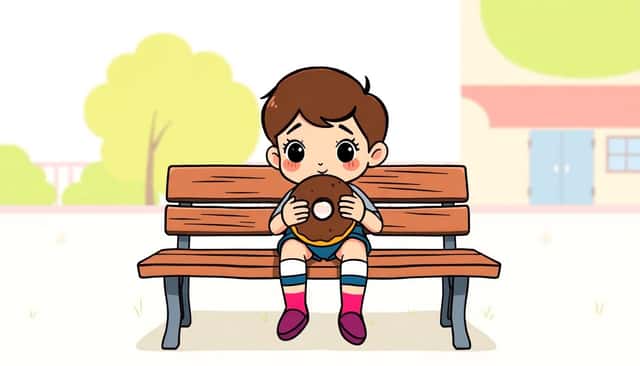
If I had to pick one thing that makes the biggest difference, it’s character. Plot can be okay. But if the main character doesn’t feel fun, real, or relatable… kids won’t stick around.
I like giving the main character an obvious quirk right away. Not just “they like trains,” but something more specific and memorable. Maybe they always wear mismatched socks. Maybe they keep a “bravery notebook” and write down what scary things they tried that day. Those details make a character pop.
And don’t forget the emotional side. Kids connect fast when the character is dealing with something familiar: being shy on the first day, feeling left out, worrying they’ll mess up, trying to fit in and failing… then trying again.
When I think about characters that work, I always come back to examples like Junie B. Jones (funny and mischievous, but still grounded) or Dog Man (fast, playful, and easy to follow). You don’t need the same style, but you do need that “I want to know what happens next” energy.
Give your main character clear goals. Then show them growing toward those goals. It doesn’t have to be a life lesson speech. Sometimes growth looks like admitting they were wrong. Sometimes it’s learning how to apologize. Those moments matter.
If you’re stuck staring at a blank page, try brainstorming with character writing prompts for young readers—quick prompts can shake loose ideas faster than “just think of a character.”
Step 5: Write in Simple Language with Short Sentences
Yes, you might be writing a great chapter book. But kids in this range are still building reading confidence. That means your job is to make the story easy to follow.
In practice, I aim for shorter sentences—often 5-10 words—and I stick to everyday vocabulary. Avoid those fancy phrases that sound impressive to adults but feel like a speed bump for kids. For example, it’s usually better to write “big dog” than “enormous canine.”
Here’s a trick that works every time: read your sentences out loud. If a sentence trips you up when you’re speaking, it’ll trip a kid up too.
Also, don’t be afraid of humor. Kids love funny timing—silly misunderstandings, unexpected reactions, and even lightly dramatic moments where the character is convinced something is a disaster (until it isn’t). Humor keeps them reading even when the plot gets tense.
Keep descriptions short and vivid. Instead of long explanations, lean on action and dialogue. Let characters reveal personality through what they say and do, not through paragraphs that summarize their whole inner world.
Step 6: Include Illustrations to Support Your Story
Illustrations aren’t just “nice to have.” For this age group, they’re often part of the reading experience. They break up dense text, keep the pace moving, and help younger readers visualize what’s happening.
In my experience, good illustrations match the tone of the story. If your book is light and playful, the art shouldn’t look like a dark movie poster. If your character is anxious, the illustration should show that—without needing extra explanation.
For chapter books aimed at ages 6-9, a common rhythm is one illustration every three or four pages. That doesn’t mean every chapter needs the same number of pictures, but you generally want frequent visual breaks.
If you’re not an illustrator, that’s fine. Partner with someone whose style fits your story. Just make sure you communicate clearly: what the character looks like, the setting vibe, and the key moments you want highlighted.
Before you send your manuscript out, include notes about suggested illustrations or scenes you’d love to be visualized. You don’t need finished artwork ready on day one, but having a plan helps editors and illustrators collaborate faster.
If you’re curious about the behind-the-scenes side of working with artists, it can help to look into how to publish a graphic novel successfully and what that collaboration process looks like.
Step 7: Consider Writing a Chapter Book Series
If your first book works, readers usually don’t just want “the end.” They want to stick with the characters. That’s why series can be such a smart move—especially for kids, who tend to love familiar worlds.
Think about popular kids’ series like Magic Tree House, Captain Underpants, or Diary of a Wimpy Kid. The characters feel recognizable, and each new book brings a fresh problem to solve. Instant “one more chapter” energy.
When you plan a series, make sure your characters have room to grow. Give them new situations, new challenges, and new opportunities to show different sides of their personalities. Otherwise, the later books start to feel repetitive.
I also like to outline the next couple of books early. Even a rough map—main setting, the new challenge, how the character changes—makes it way easier to write future installments without starting from scratch.
One more thing: keep track of your characters, places, and events. Kids notice inconsistencies quickly. If your character has a red backpack in Chapter 2 and a blue one in Chapter 8, you’ll hear about it.
Step 8: Submit Your Chapter Book to Publishers or Editors
Alright—your manuscript is polished. Now it’s time to send it out. This part can feel intimidating, but it’s also where you start turning your work into something real.
First, research publishers carefully. I mean actually read their websites and submission pages. Do they publish books in your age range? Do they seem like they’d get your tone? Pitching randomly wastes time and energy.
If you’re trying to go the independent route, you might also want to learn how to get a book published without an agent so you understand what options you have.
One reality check from recent publishing data: children’s and YA fiction book sales dipped by 0.3% in 2024. That doesn’t mean you can’t succeed—it just means the market can be a little more competitive. You’ll want a standout hook, strong writing, and a submission that looks professional.
When submitting directly, you’ll usually need a concise query letter, a short author bio (including awards or relevant experience if you have them), and a sample chapter or two. And yes—follow the submission guidelines exactly. If they say single-spaced, don’t send double-spaced. If they want a specific file format, don’t get creative.
Self-publishing is another option if you want more control. Just know it comes with extra work: editing, illustration coordination, formatting, cover design, and marketing. It’s doable, but it’s not “set it and forget it.”
No matter which path you choose, stay persistent. Most publishing journeys take time. You won’t get it right on the first try, but steady improvement is how most writers get there.
FAQs
In most children’s chapter books, chapters typically land around 500 to 1,000 words. That range helps younger readers keep momentum and feel like they’re making progress, especially when they’re reading on their own.
Some of the most popular themes are friendship, bravery, family, and overcoming fears or challenges. Young readers tend to enjoy straightforward plots where the character is close to their age and the story solves everyday problems in a satisfying way.
Illustrations aren’t strictly required, but they can make a big difference—especially for younger readers. They clarify what’s happening, keep kids engaged, and make the book easier to understand (and more fun to read).
Series can be a great idea because kids often get attached to familiar characters and settings. A series encourages repeat reading, builds loyalty, and gives you more chances to reach readers over time.