Table of Contents
When I’m studying something dense, I don’t need more “motivation.” I need clarity. And honestly, a lot of learning tools still dump information on you without really helping you *work through it*. That’s why I tried TopicSimplify—to see if it could actually make complicated topics feel manageable.

In this TopicSimplify review, I’ll walk you through what it does well, where it fell short for me, and what you should expect if you’re using it for school, exam prep, or just learning something new on the side.
TopicSimplify Review: Does It Actually Help You Learn Faster?
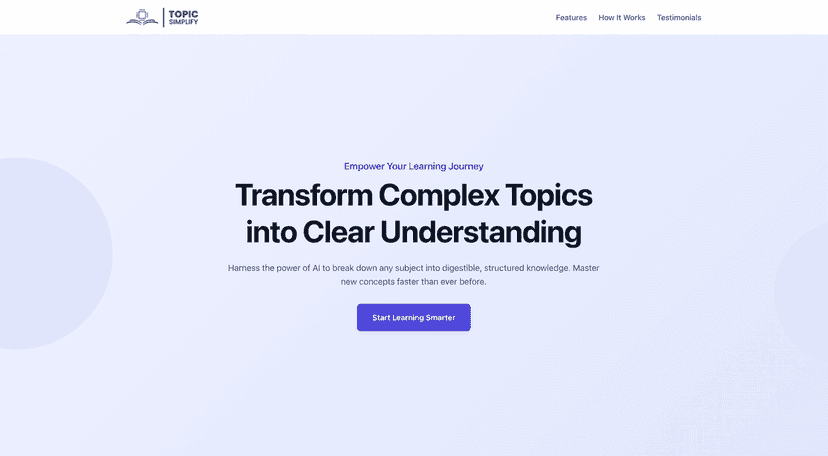
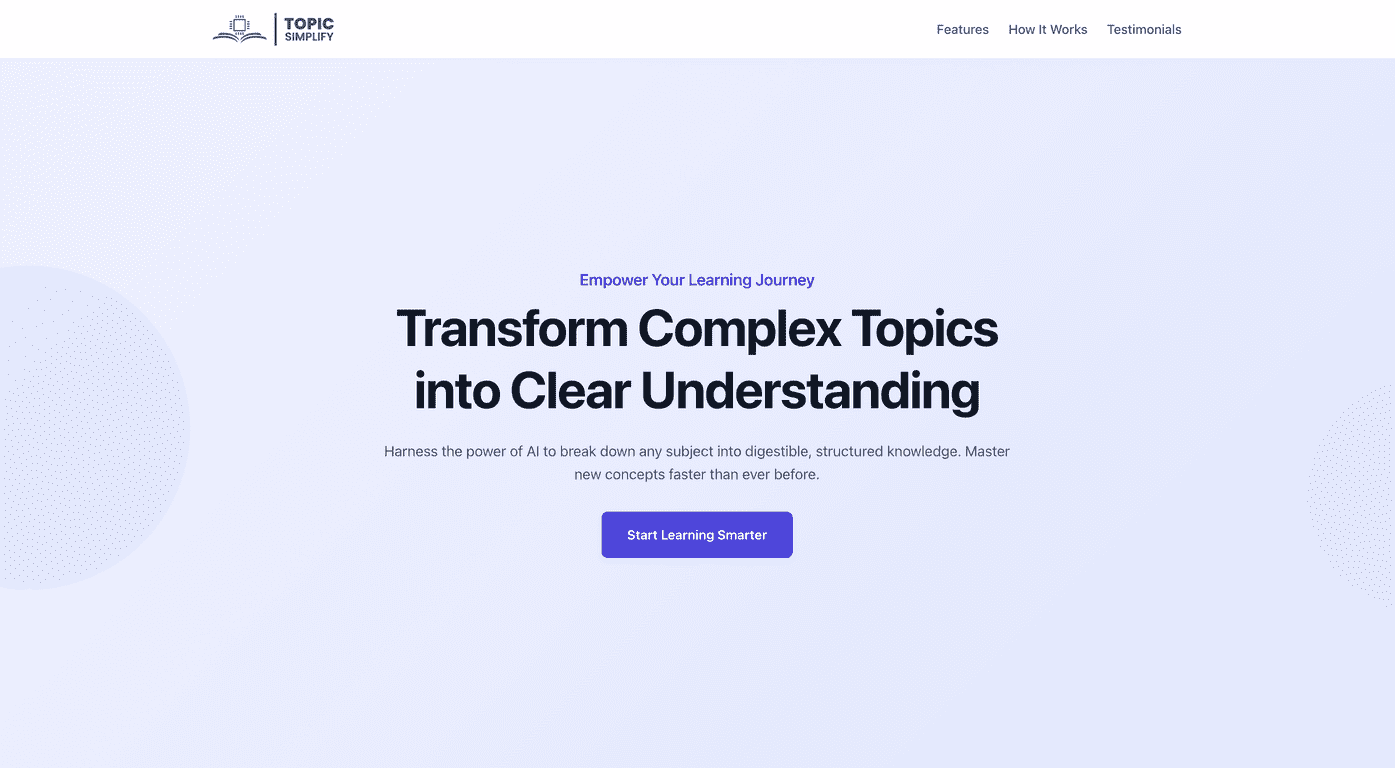
TopicSimplify is positioned as an AI learning companion for students and lifelong learners. The promise is pretty simple: you ask, it breaks things down, and you spend less time stuck rereading the same paragraph.
What I liked right away is that it doesn’t feel like you’re just getting a wall of text. The tool is built around study-style outputs—outlines, simplified explanations, and Q&A—so you can move from “I’m confused” to “I get it” without jumping between 10 different resources.
Still, I want to be upfront: AI can’t replace your class notes or your textbook for everything. But for getting unstuck, reviewing before a quiz, or turning a messy topic into something you can actually study from? It’s pretty useful.
Key Features I Tested (and What They’re Good For)
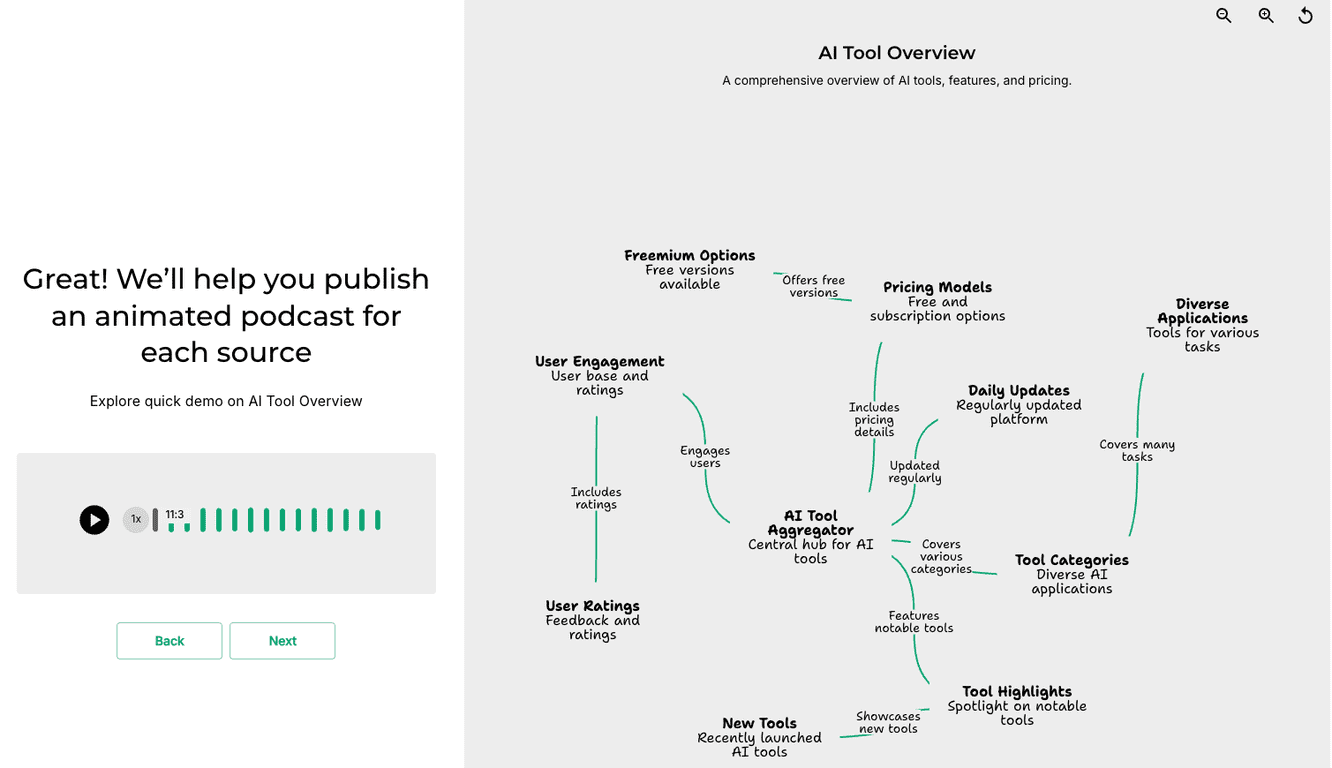
- AI-Powered Outlines that help you structure your study material
- Interactive learning (Q&A format) that keeps you engaged instead of passively reading
- Smart summaries that condense complex topics into simpler explanations
Here’s how those features played out in my own use.
1) Outlines that actually give you a path. When I’m studying, my biggest problem is not “lack of information.” It’s not knowing what to tackle first. TopicSimplify’s outlines helped me organize topics into sections, which made it easier to plan a short study session (like 30–45 minutes) instead of spiraling.
2) Q&A is great for checking understanding. I found the Q&A format especially helpful for quick self-testing. If you’re the type who reads, nods, and then realizes you can’t explain it later—this part helps. You can ask follow-up questions and get explanations in a more direct way than flipping back through notes.
3) Summaries are best for review, not first exposure. I’ll say this plainly: summaries are fantastic once you have some baseline context. If you’re seeing a subject for the first time, a summary can be a little too “compressed,” and you may need to ask for more detail. But for revision or last-minute prep? They’re solid.
Pros and Cons (My Honest Take)
Pros
- It saves time when you need a structured starting point. I didn’t have to build a study plan from scratch.
- Interactive Q&A makes it feel less passive. It’s easier to stay focused when you’re actively asking questions.
- Summaries help with recall. I noticed I could remember key ideas better after using the simplified explanations as a quick review layer.
Cons
- You still have to verify important details. Like any AI tool, the quality depends on the input and the topic. If you’re studying something where accuracy matters a lot, don’t blindly trust it—double-check with your textbook, lecture slides, or a reliable source.
- It won’t fully replace traditional study. For math-heavy problem solving, lab work, or subjects that require step-by-step practice, you’ll still need hands-on work.
- Complex topics can need multiple prompts. If the first explanation isn’t quite what you want, you’ll probably tweak your question and ask again. That’s not a dealbreaker, but it’s not “one-and-done” either.
Pricing Plans: What You Need to Know Before You Sign Up
Pricing details aren’t listed in the content I reviewed, so you’ll want to check the official site directly. If you’re comparing it to other AI study tools, I’d suggest you look for two things on their pricing page: whether there’s a free trial (or free tier) and what you get per month (limits on usage matter more than people think).
If you want, you can start here: TopicSimplify.
Wrap up
Overall, TopicSimplify is the kind of tool I’d keep in my study routine—especially when I’m stuck, cramming, or trying to turn a confusing topic into something I can actually learn from. It’s not magic, and it won’t replace real studying. But if you want an AI assistant that helps you structure, summarize, and quiz yourself, it does a lot of the heavy lifting.
If you’re curious, I’d say give it a try with one chapter or one topic you already know a little about. That way you’ll quickly see whether the outlines and summaries match your course expectations.