Table of Contents
We all love a good romance story, don’t we? It’s so easy to get stuck when trying to come up with fresh ideas. Whether you’re a seasoned writer or just starting out, finding the right spark can be a challenge, and that’s perfectly normal!
But guess what? If you stick around, I’ve got a treasure trove of romance story prompts, themes, and helpful tips that might just ignite your creative fire. Writing a gripping love story doesn’t have to be daunting—with a bit of inspiration and guidance, you can craft something truly special.
We’ll explore everything from popular romance settings to the types of characters that make our hearts swoon. Plus, I’ll share techniques to create tension and resolution that keeps readers on the edge of their seats—or curled up with a cozy blanket! Let’s dive in!
Key Takeaways
- Romance story prompts can help spark creativity, like unexpected meetings or rekindled love.
- Common themes include forbidden love, second chances, and friends-to-lovers dynamics that resonate with readers.
- Diverse character types—heroes, heroines, and supporting roles—add depth and engagement to your story.
- The setting enhances the romance, whether it’s a cozy cafe or a vibrant city, making the story more immersive.
- Conflict and tension drive the narrative; use inner and outer conflicts to engage readers effectively.
- Develop characters with relatable backstories and show their ups and downs for emotional depth.
- Use sensory details and varied sentence structures for captivating writing that keeps readers interested.
- Dialogue should feel natural and reveal character emotions, building chemistry and tension between them.

Romance Story Prompts to Spark Your Imagination
If you’re looking to kickstart your creativity, romance story prompts can be a fantastic way to inspire new ideas. Think about situations that might blend everyday life with unexpected romantic twists. For example, what if two strangers meet at a coffee shop during a rainstorm, and fate decides to keep them together longer than planned?
Another great prompt is exploring the complexities of rekindled love. Maybe high school sweethearts accidentally bump into each other years later, bringing back all that old tension and unresolved feelings. Such scenarios can easily develop into heartwarming or tumultuous narratives.
For a more adventurous angle, consider the concept of a romance in the midst of a competition or game. Picture two rivals who must partner up in a team-based contest. Their initial disdain could morph into unexpected love as they outwit their competitors together.
No matter what prompts resonate with you, jot them down and let your imagination take flight. The key is to build a story that resonates emotionally with your readers, employing unique scenarios that they’re unlikely to forget.
Popular Romance Story Themes
Romance stories thrive on familiar themes that resonate with readers, making them feel connected to the narrative. One popular theme is “forbidden love,” where societal norms or personal circumstances keep lovers apart. Think of classic tales like *Romeo and Juliet* or contemporary spins on this trope.
Another theme that stands out is “second chances.” Many readers appreciate stories where characters have the opportunity to bury the past and start anew. These tales provide hope and redemption, making them emotional and cathartic.
Then there’s the “friends-to-lovers” dynamic. Starting from a solid friendship can create a fun and relatable progression to love, allowing for a mix of tension and humor. It lets readers experience a gradual build-up that often leads to poignant moments of realization.
Consider incorporating these themes into your story arcs, as they can provide a solid foundation upon which to develop complex characters and engaging plots.
Types of Romance Characters
Your characters can make or break a romance story. First, think about the classic “hero” archetype: bold, protective, and often a bit brooding. This character typically captures the reader’s heart through his strength and vulnerability.
On the flip side, you have the “heroines” who are strong yet compassionate. Whether they are fiercely independent or nurturing, readers connect with their struggles and triumphs. A well-written heroine can make the story feel relatable and inspiring.
Don’t forget about secondary characters. Best friends, quirky sidekicks, and even antagonists can add depth and conflict. A supportive best friend can help with comic relief or deliver advice that pushes the protagonist toward growth.
Including a mix of these characters can create an engaging dynamic that keeps your readers invested in their journeys and relationships. Aim for multi-dimensional personalities to breathe life into your narrative.
Setting Ideas for Romantic Stories
The setting is crucial in romance stories, often acting as a character in its own right. Imagine a quaint little bookstore where two lovers meet among the shelves, each finding solace in a story—just like their unfolding romance. A cozy backdrop can deepen the emotional stakes.
Consider the beauty of nature as well. A romantic getaway in the mountains or a serene beach can enhance the feelings of love and adventure. Such vibrant environments allow for rich descriptions and sensory experiences that can pull the reader in.
You might also explore urban settings with bustling streets. Picture a romantic date through food markets or art galleries, where each scene adds layers to the relationship. The contrast between quiet moments and lively city energy can create an engaging backdrop.
Ultimately, choose settings that complement the themes and characters in your story. The right environment can elevate your narrative, making the romance feel more grounded and vivid.
Conflict and Tension in Romance Stories
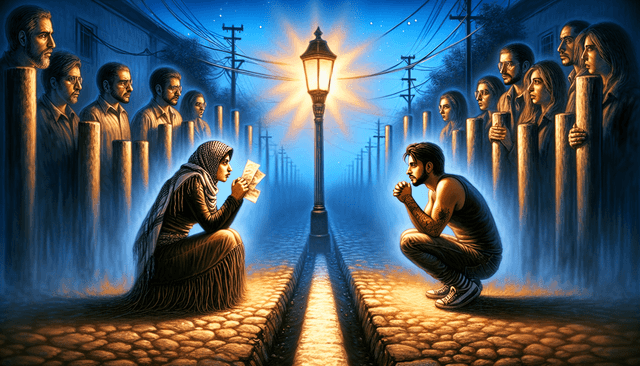
Conflict and tension are the heartbeat of any compelling romance story. These elements create drama and keep readers engaged as they root for the couple to overcome obstacles.
Start by establishing inner conflicts, like characters grappling with personal fears or past traumas. For instance, a character might be afraid of commitment due to a family history of failed relationships.
Next, consider external conflicts that arise from the environment or other characters. This could involve disapproving parents, time constraints, or even long-distance challenges.
You can also incorporate “miscommunication” as a classic trope of romantic tension. A misunderstanding can lead to hilarious or heart-wrenching moments that test the couple’s relationship.
What’s crucial is the pacing of these conflicts. Gradually building tension during interactions or pivotal scenes ensures readers feel the stakes climb as the romance develops.
Remember to resolve these conflicts thoughtfully by the end of your story. Readers appreciate when characters grow from their challenges, making the romance feel earned and genuine.
How to Develop Romantic Relationships
Developing a romantic relationship in your story involves layering emotional depth and realism. Start by creating relatable backstories for your characters. These backgrounds help readers connect with their vulnerabilities.
Next, focus on chemistry between the characters. You can portray this through witty banter, shared interests, or even contrasting personalities that create sparks.
Don’t shy away from showing the ups and downs of their connection. Real relationships have their share of joys and struggles; reflect this through intimate moments and shared experiences.
Incorporate meaningful dialogues that reveal their feelings and how they navigate challenges together. Dialogues can be powerful tools for character growth and relationship development.
Lastly, give them small victories throughout the story. These moments can help reinforce the strength of their bond, showing how they support each other through various trials.
Writing Techniques for Captivating Romance Stories
Writing romance is an art that benefits from a few essential techniques. Start with character-driven narratives, as readers love connecting with well-crafted characters whose emotions they can feel.
Use sensory details to immerse readers in the romance. Describe not just what the characters see, but how things feel, smell, and sound to create an atmosphere.
Variety in sentence structure can also enhance your writing. Mix short, impactful sentences with longer, more descriptive ones to create rhythm and maintain interest.
Consider employing visual storytelling elements. Create scenes that showcase character emotions through actions rather than heavy exposition. For example, a character nervously tapping their fingers can indicate anxiety without saying a word.
And don’t forget the power of cliffhangers. Ending chapters with unresolved issues or emotional revelations can keep readers craving more to see how the romance unfolds.
Using Dialogue to Enhance Romance
Dialogue in romance stories is essential for revealing personalities and emotions. It can make characters feel more alive and relatable.
To make your dialogue pop, keep it natural and conversational. Listen to how real people talk; incorporate pauses, interruptions, and subtext to give your characters authenticity.
Use dialogue to build tension or chemistry between characters, whether through heated arguments or flirty exchanges. This approach allows readers to sense the dynamics of their relationship.
Consider switching up dialogue styles to differentiate characters. A witty character might have snappy comebacks, while a more serious one may speak thoughtfully.
Lastly, utilize dialogue tags sparingly. Instead of always using “he said” or “she asked,” experiment with actions or omit tags entirely to keep the flow organic.
Different Genres of Romance Stories
Romance stories can span a variety of genres, each bringing its own unique twists to the table.
For instance, in the **contemporary romance** genre, you’ll find relatable scenarios rooted in modern-day life.
There’s also **historical romance**, which transports readers to different time periods, filled with the societal norms and challenges of those eras.
**Paranormal romance** infuses supernatural elements, allowing characters to fall in love with vampires, werewolves, or other fantastical beings.
**Romantic suspense** combines thrill and romance, where love blossoms amidst danger and mystery, keeping readers on the edge of their seats.
Finally, consider **young adult romance**, which deals with the trials of first love, growing up, and self-discovery, often resonating deeply with a younger audience.
Understanding these genres can help you identify the flavor you want your own romance story to have.
How to Conclude a Romance Story
Concluding a romance story can be tricky, but it’s essential to leave your readers feeling satisfied.
Start by addressing the main conflicts: characters should resolve their differences or miscommunications by the end.
Ensure that both characters experience growth and transformation throughout the story. For instance, if one character was afraid of commitment at the beginning, show how they’ve overcome this fear.
It’s impactful to write a final scene that encapsulates their love. Whether it’s a heartfelt conversation or a passionate kiss under the stars, this moment should feel earned.
Consider including a glimpse into their future, hinting at their lives together. This could be as simple as a line about a shared dream or aspiration.
A well-crafted conclusion ties up loose ends while leaving readers with a sense of hope and warmth. Remember that a solid ending can make your story linger in readers’ minds long after they’ve finished.
FAQs
Popular romance themes include enemies-to-lovers, second chances, forbidden love, and love triangles. Each theme offers unique conflicts and resolutions that can deeply resonate with readers.
Create tension by introducing obstacles that prevent the couple from being together. Misunderstandings, outside influences, and differing goals can effectively heighten emotional stakes and engage readers.
Effective romance dialogue should be authentic and character-driven. Use banter, subtext, and emotional resonance to reveal characters’ feelings and motivations, enhancing their connection and driving the plot.
Conclude a romance story by resolving key conflicts and providing closure for the characters. Aim for a satisfying ending that reflects their emotional growth and leaves readers feeling hopeful.