Table of Contents
If you’re trying to improve leadership skills without waiting for the next workshop, Ren AI v1.10 is worth a real look. I tested it from the perspective of “does this actually help in the moment?”—not just whether it sounds nice in a demo.
Ren AI v1.10 is a conversational coaching platform. You talk to it like a coach, and it responds with guidance that’s meant to fit your situation. The big promise is always-on support—so when you’re dealing with a tense 1:1, prepping for feedback, or trying to handle a conflict, you’re not stuck waiting until next week.
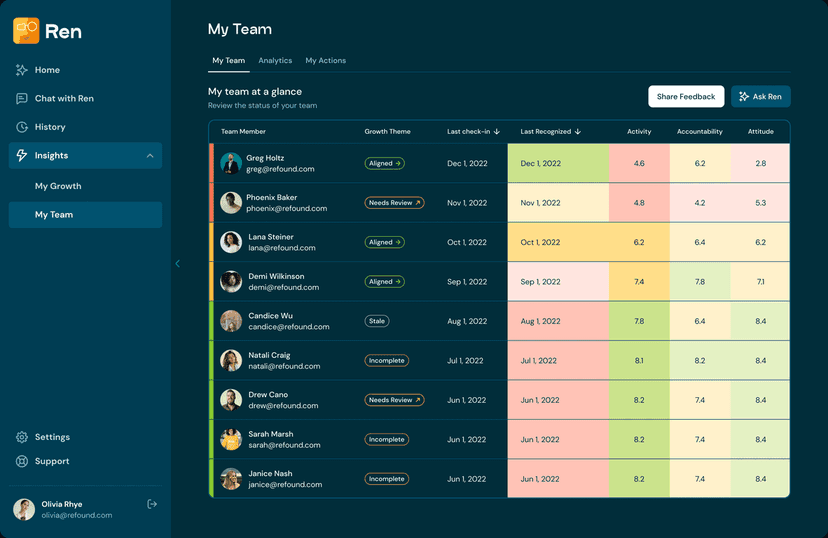
In my experience, what makes or breaks tools like this is whether the advice feels relevant. Ren AI tries to tie recommendations to individual profiles and broader organizational goals, so the coaching isn’t totally generic. And if you’re an organization rolling this out, the dashboard angle matters too—you want signals about engagement and culture, not just a bunch of chat logs.
That said, I don’t think AI coaching is automatically a replacement for human coaching. Some people just learn better through live conversations. If your team is already skeptical about AI, you’ll likely need a rollout plan (more on that later). Still, for leadership development at scale, this is one of the more practical “always available” options I’ve seen.
Ren AI v1.10 Review: an always-on leadership coach (with some caveats)
Ren AI v1.10 is positioned as a conversational leadership coach. The idea is simple: you ask for help, it gives you coaching guidance you can use right away. No waiting for a session to start. No “please schedule time with HR.” Just prompts and responses geared toward leadership situations.
Here’s what I liked most: the coaching feels oriented around real conversations. For example, when I tried scenarios like preparing feedback, handling resistance, or responding to a difficult question in a meeting, the output wasn’t just generic motivational language. It leaned toward practical phrasing—how to structure your message and what to focus on.
It also tries to adapt. The platform aims to tailor recommendations based on individual profiles and organizational goals. That matters if you’re using it across teams—because the “right” coaching for a customer-facing lead might look different from what a technical manager needs.
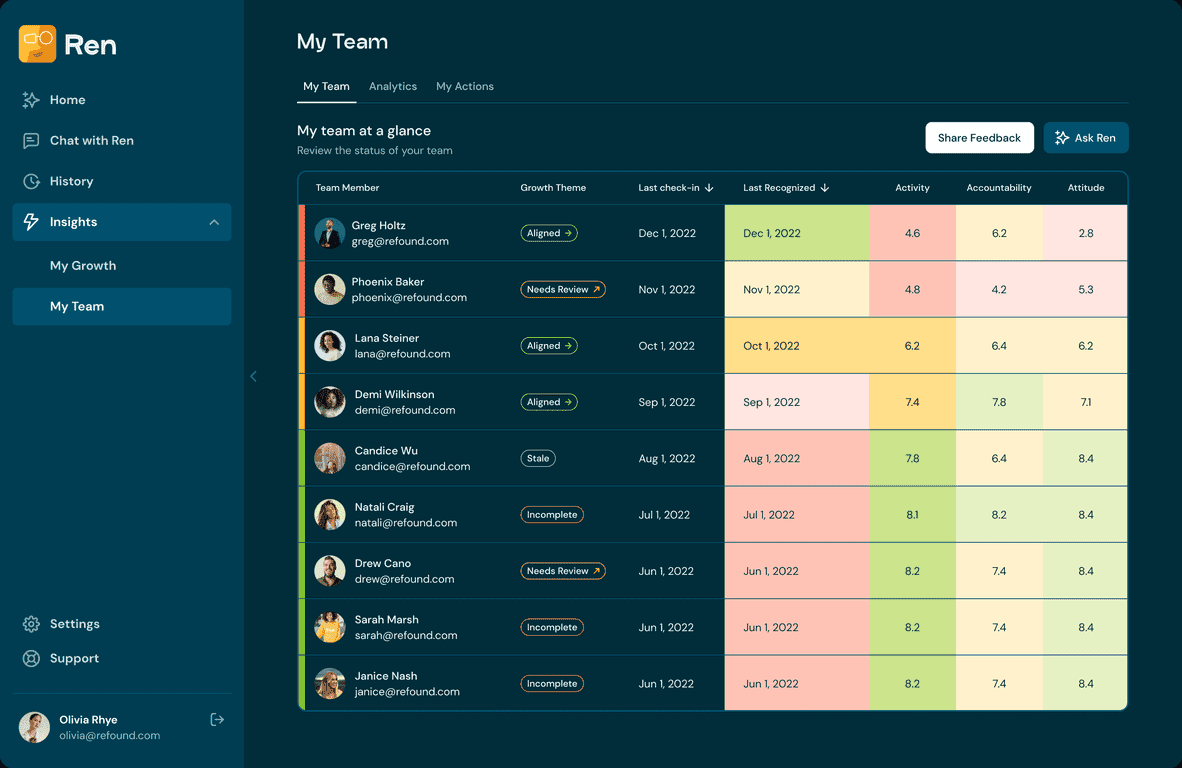
On the organizational side, Ren AI pushes dashboards and insights. In other words, it’s not only about giving individuals advice; it’s also about giving leadership teams visibility into usage and themes. If you’re trying to measure adoption and engagement, this is where the value starts to show.
One thing to keep in mind: AI coaching won’t automatically satisfy everyone. Some employees really do prefer face-to-face coaching, especially for sensitive situations. If your culture is relationship-first, you’ll probably get better results by pairing AI with human coaching rather than replacing it.
Key Features I’d actually use
- AI-powered coaching that you can access whenever you need it (not just during training hours).
- Scalability for organizations of all sizes, from small teams to enterprise rollouts.
- Real-time assistance for difficult conversations—the “I need help phrasing this” moments.
- Dashboards for organizational insights like engagement and cultural trends.
- Secure and private coaching environment (important if you’re coaching around performance, conflict, or sensitive topics).
- Customizable options aligned with company values so coaching doesn’t drift into “one-size-fits-all.”
Pros and Cons: what worked for me, and what might not
Pros
- 24/7 accessibility for coaching. When you’re stuck at 9:30 PM prepping a Monday conversation, it’s there.
- AI-driven personalization that adjusts to your needs rather than repeating the same advice every time.
- Scales well for organizations—especially if you want consistent leadership coaching across many managers.
- Dashboards and insights that can help leadership teams track engagement and themes (useful for internal reporting).
- Support for leadership development that’s practical—less theory, more “what do I say next?”
Cons
- Tech dependence. If someone doesn’t like using new tools, adoption can be a struggle.
- Customization can take time. If you want it aligned with specific values, processes, or coaching frameworks, don’t expect it to be instant.
- Some people will resist AI coaching. If your team is skeptical, you’ll need onboarding and clear messaging about how/when to use it.
Pricing Plans (quick breakdown)
Ren AI offers multiple pricing tiers. Here’s the structure as it’s commonly presented:
- Starter Plan: free for individuals who want to build essential leadership skills.
- Team Plan: $99 per seat/month, aimed at organizations improving communication and engagement.
- Business and Enterprise Plans: pricing is handled via a call and tailored to organizational objectives and needs.
If you’re evaluating this for a company rollout, I’d ask what’s included in the enterprise customization—especially around data handling, dashboard depth, and how quickly they can align coaching with your leadership framework.
Wrap up
Ren AI v1.10 is a strong option if you want leadership coaching that’s always available and scalable across a team. In my testing, it’s most valuable when you’re using it for the “in the moment” stuff—messaging, planning, and difficult conversations—where you’d normally scramble for advice.
Just don’t treat it like a magic replacement for human coaching. If your employees need real empathy, accountability, and relationship-based development, you’ll still want a human layer. But as part of a broader leadership program? Yeah—this is the kind of tool that can actually get used, not just sit in a training portal.