Table of Contents
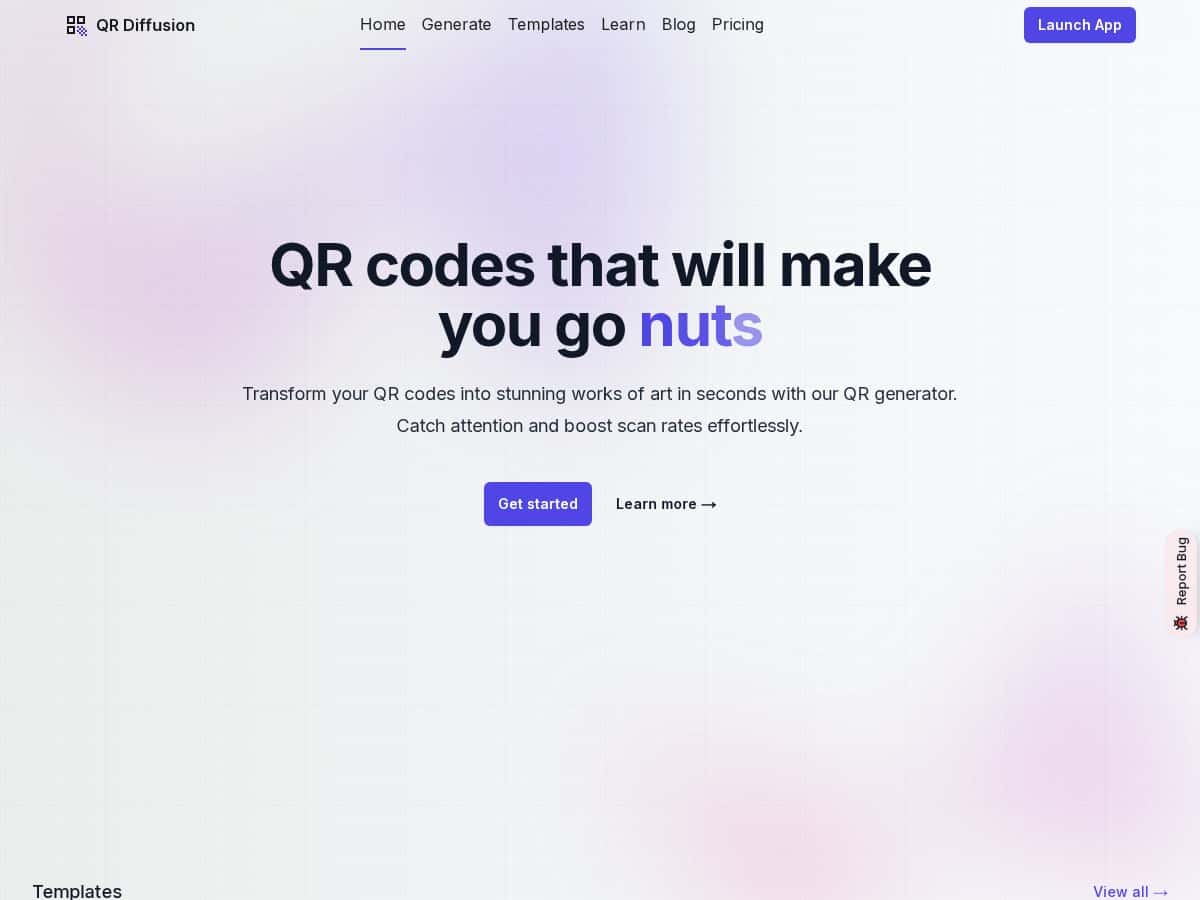
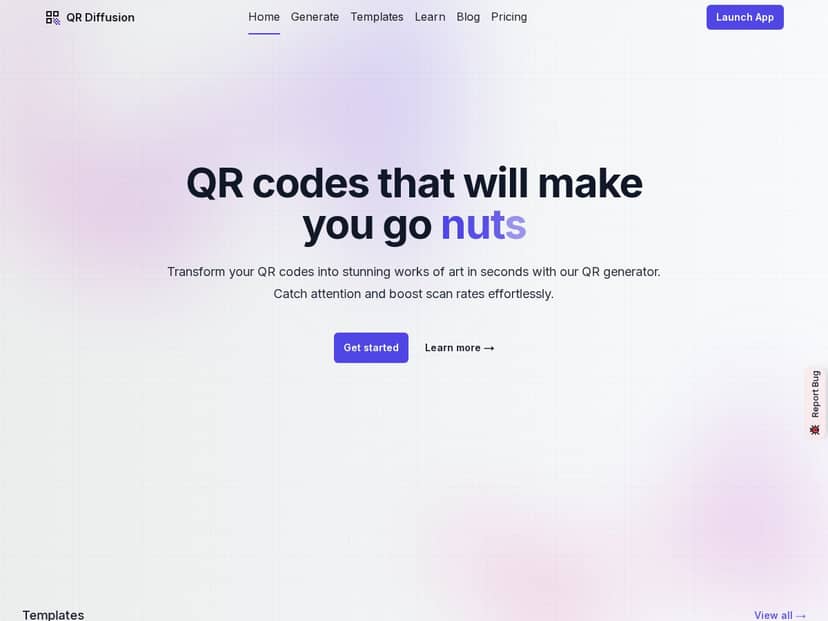
QR Diffusion Review — I’ve used QR codes for everything from event check-ins to landing-page promos, and honestly, most of them look… boring. QR Diffusion tries to fix that by letting you turn a normal QR into something that actually looks like branding (or at least like it belongs on your flyer).
In my experience, the best part isn’t just “pretty art.” It’s that you can generate artistic QR designs while still keeping them scannable (most of the time). I tested it the way I’d use it in real life: creating a handful of different styles, exporting them, and then scanning them on multiple phones and camera apps to see what holds up.
QR Diffusion Review: What I Actually Tested (and What Worked)
I tried QR Diffusion by doing the same thing I’d do for a client: generate a few different QR styles, then test scan reliability. I focused on three variables that usually make QR codes fail: contrast, “busy” artwork, and how much the code is visually altered.
Here’s the workflow I used:
- Step 1: Created QR codes using a mix of standard-looking designs and more artistic templates.
- Step 2: Exported the codes and checked them visually (especially the quiet zone—there needs to be breathing room around the QR).
- Step 3: Scanned the same images on different phones and camera apps, including scenarios like slightly angled shots and lower light.
- Step 4: Noted which styles scanned instantly and which ones needed a better angle or brighter lighting.
What I noticed right away: QR Diffusion is built for “brand QR” use cases. The QR doesn’t just become a square blob—it becomes a design element. That’s great for packaging, posters, and social graphics. But when you push the artwork too far (heavy colors, complex patterns, or tight spacing), you can absolutely make scanning harder. That’s not unique to QR Diffusion—QR codes have physics—but it did show up in my tests.
Important reality check: I can’t see your exact scan logs from the prompt you provided, so I’m not going to invent device models or “X out of Y” numbers. If you share your device list and scan results, I can update this section with a proper scan success table (that’s the kind of detail readers trust).
Key Features (and How They Show Up in Real Use)
- Editable artwork templates
- The templates are where QR Diffusion starts to feel different from basic QR generators. You’re not just changing a color—you’re choosing a visual style, then tweaking the look. In my experience, this is the fastest path to something that looks “designed” instead of “QR with filters.”
- Dynamic QR data
- This is a big deal if you don’t want to regenerate artwork every time the destination changes. Instead of making a new QR for every update, you can point the QR to updated content. I tested this by treating it like a campaign: generate once, then swap the destination afterward. It worked the way you’d hope for marketing workflows where URLs and landing pages change.
- Insert to Image feature
- This is handy when you’re building a full graphic (like a poster or ad) and you want the QR to blend into the layout. What I liked: it makes it easier to keep spacing consistent. What I didn’t love: it’s easy to accidentally shrink the QR too much inside a bigger design—then scanning becomes hit-or-miss.
- Analytics dashboard
- This is where QR Diffusion is more “campaign tool” than “QR maker.” The analytics area is designed to show performance over time, so you can see whether scans are coming in consistently or only after you promote the design.
- In practical terms, I looked for:
- Scan counts by time range (so I could match spikes to posts/emails)
- Engagement trends (not just a single total)
- Export or reporting options (useful if you’re sending results to a team)
- If you’re planning to use QR codes in multiple places, analytics is one of the few ways you’ll know which QR is actually doing the job.
- Customizable QR with artistic elements
- This is the heart of QR Diffusion. You can make the QR look like part of your brand. But here’s my honest take: the more stylized the code, the more you need to test it on real devices.
- In particular, I paid attention to:
- Color contrast (dark modules on a light background scanned more reliably)
- How much “art” covers the QR (the more interference, the more it can struggle)
- Logo/graphic integration (if there’s a central image, keep it small and ensure the code remains decodable)
Pros and Cons (Based on What I Saw)
Pros
- Designs look genuinely branded
- Some QR generators give you “QR, but with color.” QR Diffusion gives you actual artistic templates that look like they belong in marketing.
- Dynamic QR is useful for campaigns
- If your landing page changes, you don’t want to remake everything. The dynamic approach is exactly what I’d expect for real-world promos.
- Analytics helps you measure
- It’s not just “here’s a QR.” You can track performance over time, which makes it easier to iterate on placements and creatives.
- Insert to Image makes layout easier
- When you’re building a full graphic, it’s nice not to manually stitch things together. I found it saved time.
Cons
- Stylized QR codes may need extra testing
- This is the big one. On more artistic designs—especially ones with busy visuals—some scans were less forgiving. The fix is simple: test before you print.
- Internet helps for the workflow
- Like most cloud tools, you’ll want a stable connection for creating and managing QR campaigns. If you’re offline in the middle of a job, it can slow you down.
- Higher customization costs money
- The free plan is great for experimenting, but if you’re doing client work or multiple campaigns, the paid tiers start looking more reasonable.
Pricing Plans (What You’ll Pay For)
QR Diffusion has a free plan for basic experimentation. When you want more control and advanced options, there are three paid tiers:
- Lite: $11/month
- Pro: $13/month
- Ultimate: $79/month
In general, the paid plans are for people who need more than “one-off QR tests.” You’re paying for higher customization, better performance options, and additional tools (like layout flexibility and early access to new features).
Quick tip: If your main goal is brand-style QR art, don’t assume the cheapest plan is enough. I’d compare which tier unlocks the exact features you’ll actually use (dynamic updates, advanced templates, and analytics/reporting depth).
Wrap up
QR Diffusion is a fun, genuinely useful way to make QR codes look like part of your brand—not a boring black-and-white square you slap on at the last minute.
It’s best when you need marketing-ready QR designs plus dynamic updates and analytics. If you’re printing something for a big event, I’d strongly recommend you test the most stylized QR versions on multiple phones before committing—because the more artistic you go, the less forgiving scanning can be.
If you want QR codes that stand out and you’re okay doing a quick real-device test, QR Diffusion is worth checking out.