Table of Contents
If you’re bored of the same “smile-at-the-camera” selfie, I get it. I tested PhotoFuse AI to see what it actually does with your face—how fast it is, how consistent the results look, and whether the pricing matches real usage (not just marketing numbers).
So instead of vague promises, I’m going to cover what I noticed in practice: image quality, how the templates/customization behave, what credits are really like, and where it can fall short.
PhotoFuse AI Review: What I Actually Got From My Selfies
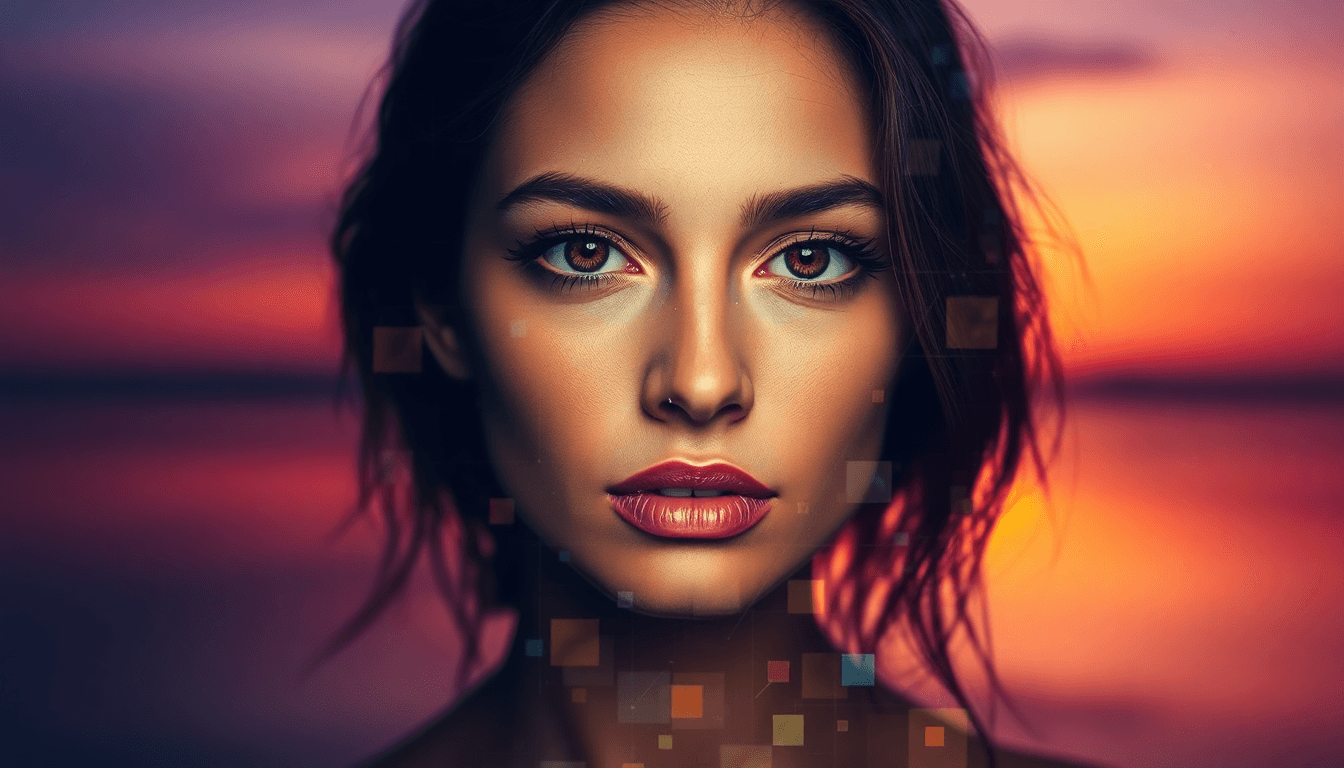
PhotoFuse AI is basically an AI image transformer for selfies. You upload a photo, pick a template/style, and it generates “character” versions—think stylized portraits with different looks, outfits, and scenes.
In my testing, the biggest thing I was watching for was face consistency. A lot of apps can make your selfie pretty… but then your eyes look “off” or your face shape changes. With PhotoFuse AI, the results were generally recognizable. Not perfect every single time, but close enough that you don’t feel like you’re generating a totally different person.
Speed-wise, the generation feels quick. I didn’t sit there for ages waiting—most outputs came back fast enough that I could try a few variations without getting annoyed. And that matters, because you often want to iterate (especially if you’re trying to get a specific vibe).
What I liked most: you can go from “normal selfie” to “profile-ready” visuals without needing a photo editor or even knowing what settings to tweak. The UI is simple, and the workflow is pretty direct.
Key Features (With Real-World Notes)
- AI character generation from selfies — I tested with a couple different selfie angles. Front-facing worked best. If your face is too small in the frame, the output can lose detail.
- Templates + style presets — The app leans heavily on pre-made looks. You’re not writing prompts like you would in a text-to-image tool. Instead, you pick a template and let the AI do the heavy lifting.
- Customization options — You can typically adjust things like background/scene and expression. What surprised me is how much the final image changes even when you only tweak one area.
- Background changes — I tried switching backgrounds and noticed it’s not just “swap the backdrop.” The lighting and overall scene vibe tend to shift too, which makes the result feel more coherent.
- Expression + clothing variations — These are where you can burn credits quickly if you keep regenerating. The results are fun, but it’s easy to keep clicking “try again” until you’ve done 10 outputs.
- Pay-as-you-go credits (no mandatory subscription) — This is a big deal if you only want occasional transformations. I also like that it doesn’t force a monthly plan just to test it.
My quick workflow (so you know what to expect)
Here’s what I did, step-by-step:
- Upload a clear selfie (good lighting, face centered).
- Pick a template that matches the vibe I wanted (professional-ish vs. more character/stylized).
- Adjust one variable at a time (background first, then expression/clothing).
- Generate and review for face consistency and artifacts (more on that below).
Tip: If you’re going for a “headshot” look, start with templates that look closer to real photography. The more stylized the template, the more likely you’ll see weirdness around edges/hair.
Where it can look weird (failure modes I noticed)
Let’s be honest—AI apps sometimes produce artifacts. In my tests, the most common issues were:
- Hairline/edges looking a little smeared or inconsistent, especially with busy hairstyles.
- Small facial asymmetries (eyes or smile) when the input selfie angle wasn’t straight-on.
- Over-stylization where the “character” vibe becomes more fantasy than portrait—cool for fun, not ideal for a LinkedIn-style headshot.
None of this is totally unexpected. Just don’t assume every generation will be perfect on the first try.
Pros and Cons (Based on My Testing)
Pros
- Easy workflow — I didn’t feel like I needed a tutorial to get results.
- Lots of templates — You can try different styles without messing around with complex settings.
- Customization is actually useful — background/expression/outfit changes can meaningfully alter the final look.
- No subscription required — the credit-based approach is great for occasional use.
- Good for personal branding — when you pick the right template, outputs can look polished enough for social profiles.
Cons
- You have to upload your photo — if you’re privacy-conscious, this might be a dealbreaker.
- Credits can disappear fast — if you keep regenerating to “perfect” the result, it adds up.
- Not every selfie works the same — low-light or off-angle photos can reduce face consistency.
- Stylized templates can introduce artifacts — especially around hair and fine details.
Pricing Plans: What the Numbers Mean in Practice
PhotoFuse AI offers a mix of subscription plans and a pay-as-you-go option. Here’s the pricing breakdown:
- Starter Plan: $19/month for 2,500 credits
- Basic Plan: $39/month for 5,500 credits (includes unlimited storage)
- Pro Plan: $99/month for 14,000 credits
- Pay As You Go: $9 per 1,000 credits
Now for the part that actually matters: how credits translate to real usage. The app is credit-based, so the more variations you generate, the quicker your balance drops. If you’re the type who wants 3–5 tries to nail a look, that’s one thing. If you want 20, you’ll feel the cost.
My practical advice: before you start burning credits, decide what “good enough” looks like. For example:
- If you’re making a profile picture, aim for face clarity + flattering lighting first.
- If you’re making fun character shots, prioritize style and background—artifacts are more forgivable.
- Try one change at a time. It’s faster and you waste fewer generations.
About “unlimited storage”: I can’t verify internal limits beyond what the plan claims, but “unlimited” usually means you can store generated outputs without being forced to delete due to a cap. Still, I’d recommend downloading your best results locally so you’re not relying on any cloud retention policy.
If you’re unsure, the pay-as-you-go option is the safest way to test. At $9 per 1,000 credits, you can generate a handful of variations and see whether the output quality matches what you want.
Who PhotoFuse AI is best for (and who should skip it)
In my experience, PhotoFuse AI is a strong fit if you want quick, good-looking character-style transformations without learning prompt engineering or spending hours editing.
It’s probably not the best choice if:
- You need perfect, studio-level headshots every time (you’ll likely want a dedicated retouching workflow).
- You don’t want to upload personal photos.
- You’re trying to generate highly specific looks and expect precise control like a professional design tool.
But if you’re mainly after fun character selfies or a polished social/profile vibe, it delivers.