Table of Contents
Hiring always takes longer than you think it will. Even when you’ve got a clear job description and a solid shortlist, scheduling interviews, chasing availability, and reviewing responses can quietly eat weeks. That’s where One Way Interview caught my attention. The idea is simple: candidates record answers on their own time, and the platform helps you screen without setting up traditional back-to-back interview slots.
In my experience, this kind of “asynchronous screening” is especially useful for high-volume roles—think customer support, sales development, entry-level engineering, or anywhere you’re reviewing lots of similar applications. One Way Interview leans into that by using AI to evaluate responses and organizing the whole process so your team isn’t stuck doing everything manually.
One Way Interview Review: Asynchronous Screening That Actually Saves Time
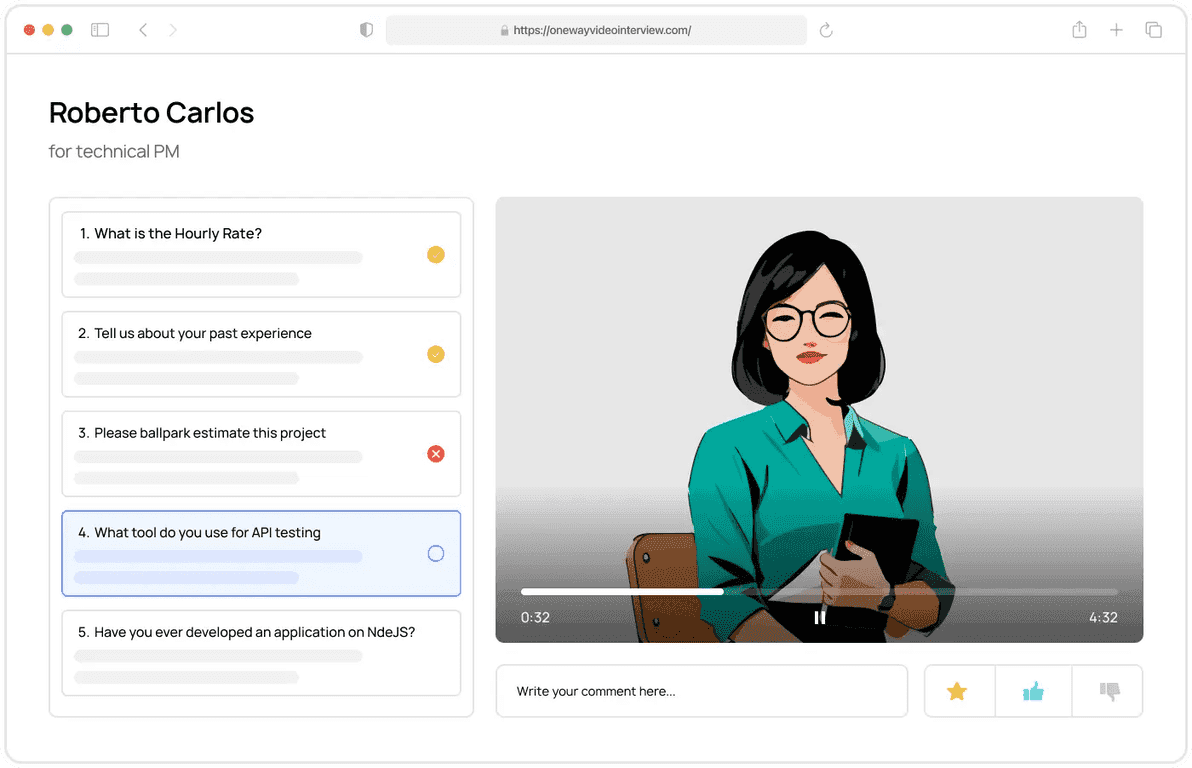
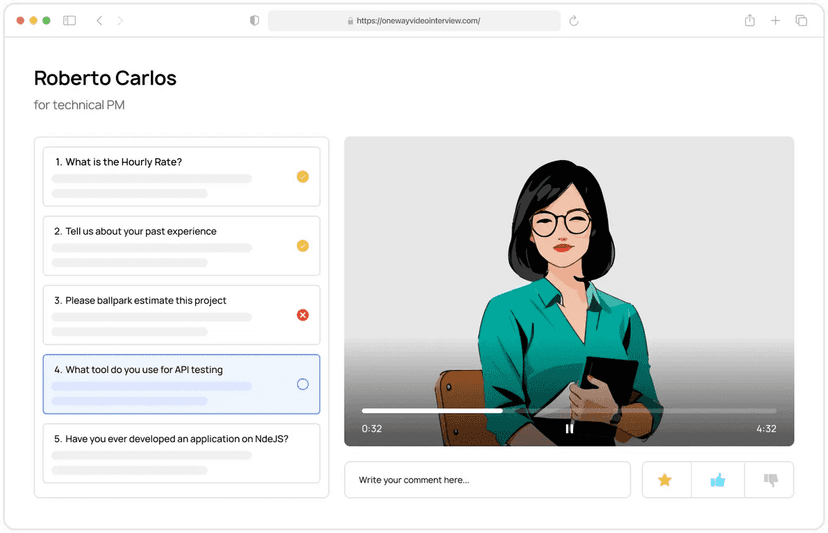
One Way Interview is built around one main workflow: candidates answer interview questions without scheduling live sessions. Instead of coordinating calendars, you send a link, they record their responses, and your team reviews the results. That alone can reduce the “we’ll get back to you after we find a time” bottleneck.
What makes it more than just a recording tool is the AI vetting layer. In practice, that means you’re not only watching videos—you’re also getting help organizing and assessing candidates based on their responses. I like tools that reduce manual sorting, because that’s where HR time often gets wasted: re-reading the same answers, comparing candidates one-by-one, and trying to remember who said what.
One Way Interview also positions itself for teams that want a smoother candidate selection process without sacrificing quality. And honestly, for roles where you need consistent screening (same questions for everyone), this approach tends to work well.
Key Features I Look For (and What One Way Interview Covers)
- Screening Without Scheduling
Candidates record answers on their own schedule, so you’re not stuck waiting on availability. - AI Vetting
AI-assisted evaluation helps narrow down candidates faster than manual review alone. - Pre-built Tests
You don’t have to start from scratch every time—this is handy when you’re hiring repeatedly. - Flexible Interview Formats
You can structure questions in a way that fits your screening needs (not every role needs the same “style” of interview). - Built-in Applicant Tracking System
Instead of juggling spreadsheets and inboxes, the tool keeps candidate progress in one place. - Integrations with ATS platforms
If you already use an ATS, integration matters. It reduces duplicate data entry.
Pros and Cons From a Real-World Hiring Perspective
Pros
- Time Efficiency: The asynchronous format is the big win. No scheduling back-and-forth means faster screening cycles.
- Cost-effective for volume hiring: If you’re running multiple cohorts or hiring frequently, reducing recruiter/HR review time adds up.
- User-friendly interface: I found the setup and review flow easier to follow than many “enterprise-looking” tools that feel overly complex.
- High trust rating: The platform’s focus on screening consistency can help teams feel more confident in decisions.
Cons
- Learning curve: Even with a clean interface, you’ll want to spend a little time dialing in questions, scoring logic, and review settings so the AI outputs match how your team thinks.
- Limited free features: If you’re trying to test-drive it casually, the free option may feel restrictive. You’ll likely need to move up to see the full workflow.
One more honest note: AI screening is helpful, but it shouldn’t be the only decision-maker. I’d still recommend using the AI as a filter and then having a human review for the final shortlist—especially for roles where communication nuance matters.
Pricing Plans (What You Get for the Money)
Here’s how One Way Interview breaks down pricing, based on the number of interviews and retention options:
- Starter Plan — $19.99/month
Includes 30 interviews with video retention for 30 days. - SME Plan — $49.99/month
Includes 60 interviews and AI screening test validation, with video retention for 60 days. - Business Plan — $89.99/month
Includes 150 interviews plus additional features. - Unlimited Plan — $299.99/month
Includes unlimited interviews and premium support.
If you’re hiring for just one role at a time, the Starter or SME tier can make sense. But if you run ongoing hiring (or multiple departments), I’d seriously consider whether you’ll hit the interview caps mid-month—because that’s the kind of surprise that can mess with your pipeline.
Final Thoughts
One Way Interview is a solid option if you want to speed up candidate screening without turning your process into chaos. The asynchronous approach cuts down scheduling friction, and the AI-assisted vetting helps you triage faster. Just keep in mind there’s a learning curve to get the setup right, and the free tier won’t show you everything.
If your team is tired of slow, manual screening and you’re hiring at any meaningful volume, this tool is definitely worth looking at—especially for roles where consistency matters.