Table of Contents
If stress has you feeling stuck on “high alert,” I get it. I’ve tried a bunch of mental health apps over the years, and most of them either feel too generic or they ask you to do a lot without really telling you what to do in the moment. That’s why I was curious about NEUROFIT.
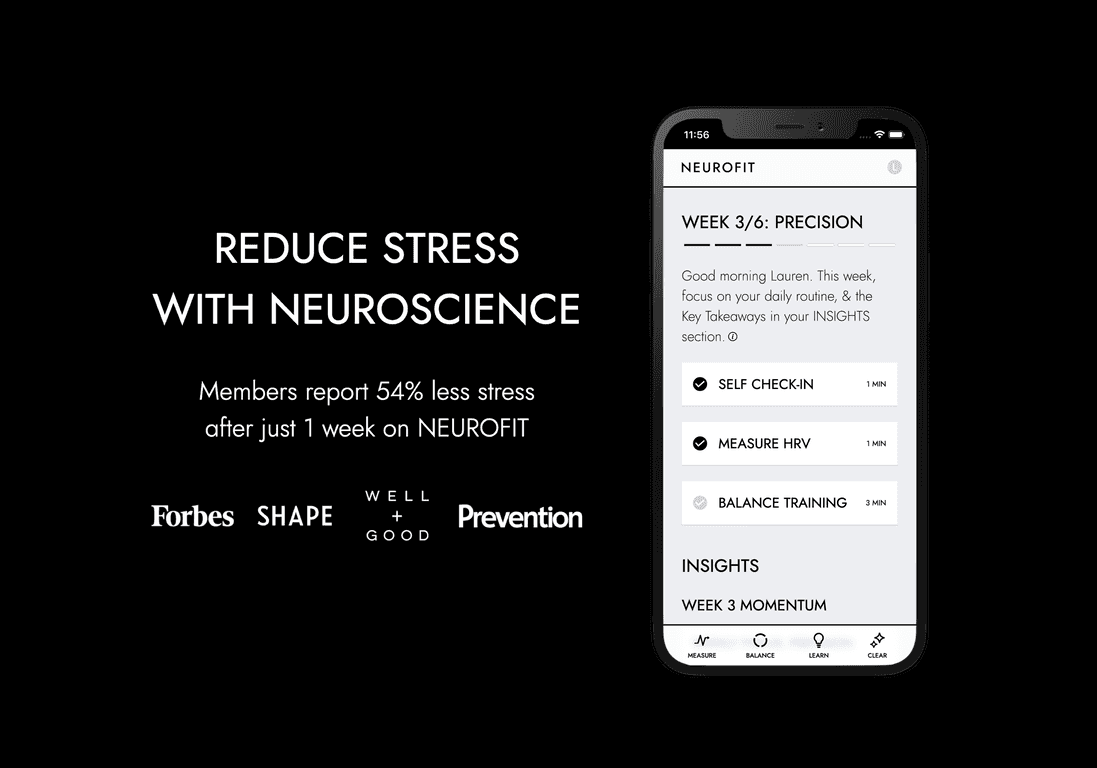
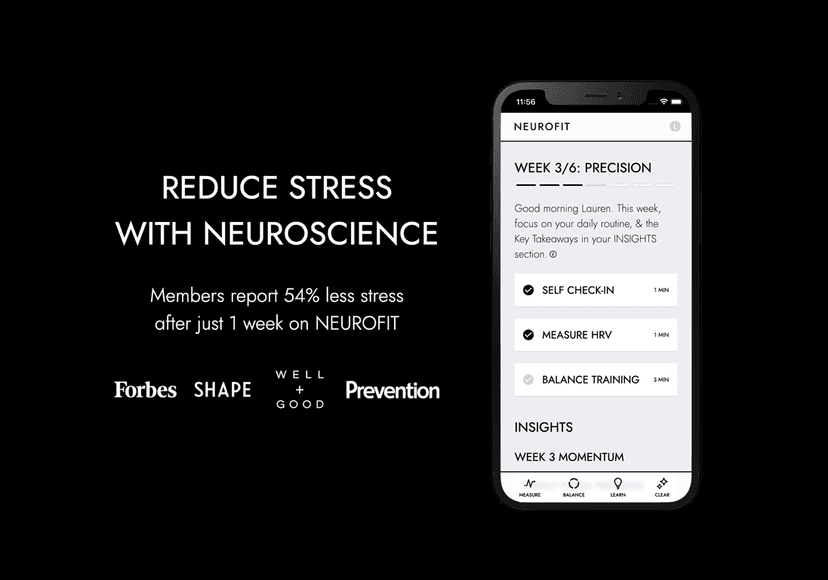
NEUROFIT positions itself as a nervous system regulation app. Instead of just “calm down” reminders, it leans into somatic-style exercises—things you can actually do with your body when you’re feeling keyed up. According to the app’s claims and user feedback, people report meaningful stress reductions (one commonly cited number is up to 54% after about a week). I can’t promise those exact results for everyone, but what I like is the focus: it’s not trying to be a whole therapy replacement. It’s more like a guided routine for getting your system out of fight-or-flight mode.
It’s also available on both iOS and Android, so you’re not stuck with one device. The interface is simple enough that you don’t need a “wellness tech” mindset to use it. Still, it won’t work if you treat it like a one-and-done download—this kind of tool really does rely on showing up consistently.
NEUROFIT Review: Does It Actually Help With Stress?
Here’s my honest take: NEUROFIT feels built for people who want something practical. Not just “think positive,” but actual exercises that guide you back toward regulation.
The big theme is nervous system regulation. In plain English, that means it’s trying to help you shift out of stress physiology—things like tension, hypervigilance, and that wired-but-tired feeling. Instead of relying only on breathing or journaling, it uses somatic exercises (body-based prompts). If you’ve ever noticed that your body holds stress before your brain even catches up, you’ll probably appreciate that approach.
One reason it stands out (at least compared to a lot of stress apps I’ve tested) is that it doesn’t pretend to be magic. It’s more like a set of guided steps you repeat. And repetition matters. If you only use it when you’re already at a breaking point, it may feel less effective. If you use it consistently—like a few sessions across the week—you’re more likely to notice changes.
So what would you realistically notice? For me, the biggest difference with this style of app is how quickly it gives me a “next action.” When I’m stressed, I don’t need another lecture—I need something I can do in 5–10 minutes. NEUROFIT’s structure is meant to be that kind of tool.
It’s also accessible. You can use it on iOS and Android, and the interface doesn’t feel cluttered. You don’t have to be an expert to follow along. That said, you still have to do the work. If you skip sessions or rush through the exercises, you’re basically training the app to fail.
Key Features That Matter (Not Just Buzzwords)
- Research-based nervous system regulation — The focus is on regulation rather than generic motivation.
- Somatic exercises — Body-based prompts designed to help you shift your state, not just “relax” on command.
- Beginner-friendly experience — The app is easy to navigate, so you don’t get stuck trying to figure out how it works.
- Mobile access on iOS and Android — Useful for quick sessions at home, during breaks, or before bed.
Quick tip from my side: if you’re new to somatic work, don’t force it. You don’t need to “feel something dramatic.” Start with consistency—short sessions you can actually stick with beat occasional long sessions.
Pros and Cons From a Real-World Perspective
Pros
- Stress reduction claims are backed by real user experience — Many people report noticeable improvement within about a week, with one commonly mentioned figure being up to 54%.
- Focused approach — It’s centered on nervous system regulation, so you’re not juggling a dozen unrelated features.
- Works on both iOS and Android — That matters more than people think if you switch devices or share phones.
- Somatic exercises can feel more “direct” than talk-based tools — When you’re dysregulated, body cues can be easier to act on than pure thoughts.
Cons
- Results vary — Some people will feel progress fast; others won’t notice much right away. That’s normal with regulation tools.
- You have to engage — If you don’t actually do the exercises, you won’t get the benefits.
- Not a replacement for professional care — If you’re dealing with severe anxiety, trauma, or depression, an app can support you, but it shouldn’t replace therapy or medical advice.
Also, one limitation I’ve seen with this category in general: if you’re expecting a “set it and forget it” experience, you might get frustrated. This is more like training than instant relief.
Pricing Plans: What You’ll Need to Check
I couldn’t find specific pricing details in the information provided here, so the safest move is to check the NEUROFIT listing in your app store. Prices can change, and sometimes there are trials, bundles, or subscription tiers that aren’t obvious from the outside.
If you do check it, pay attention to things like:
- whether there’s a free trial
- monthly vs yearly subscription options
- what’s included vs what’s locked behind premium
That way, you don’t end up paying for features you’re never going to use.
Wrap up
Overall, NEUROFIT looks like a solid option if you want stress management that’s grounded in nervous system regulation and guided somatic exercises. It’s not trying to be everything. That focus is a plus.
Will it work for you? Maybe—and the odds improve if you actually use it consistently and treat it like a routine rather than a quick fix. If you’re ready for something more hands-on than typical stress apps, it’s worth checking out.
Promote NEUROFIT