Table of Contents
I’ve spent a lot of time testing AI tools that promise “accuracy” and “safety,” and honestly? Most of them are vague until you’re actually using them in a real workflow. That’s why I was interested in NAVI—it’s positioned as an AI verification layer, the kind you’d want when you can’t afford the model to go off-policy or slip up with regulated language.
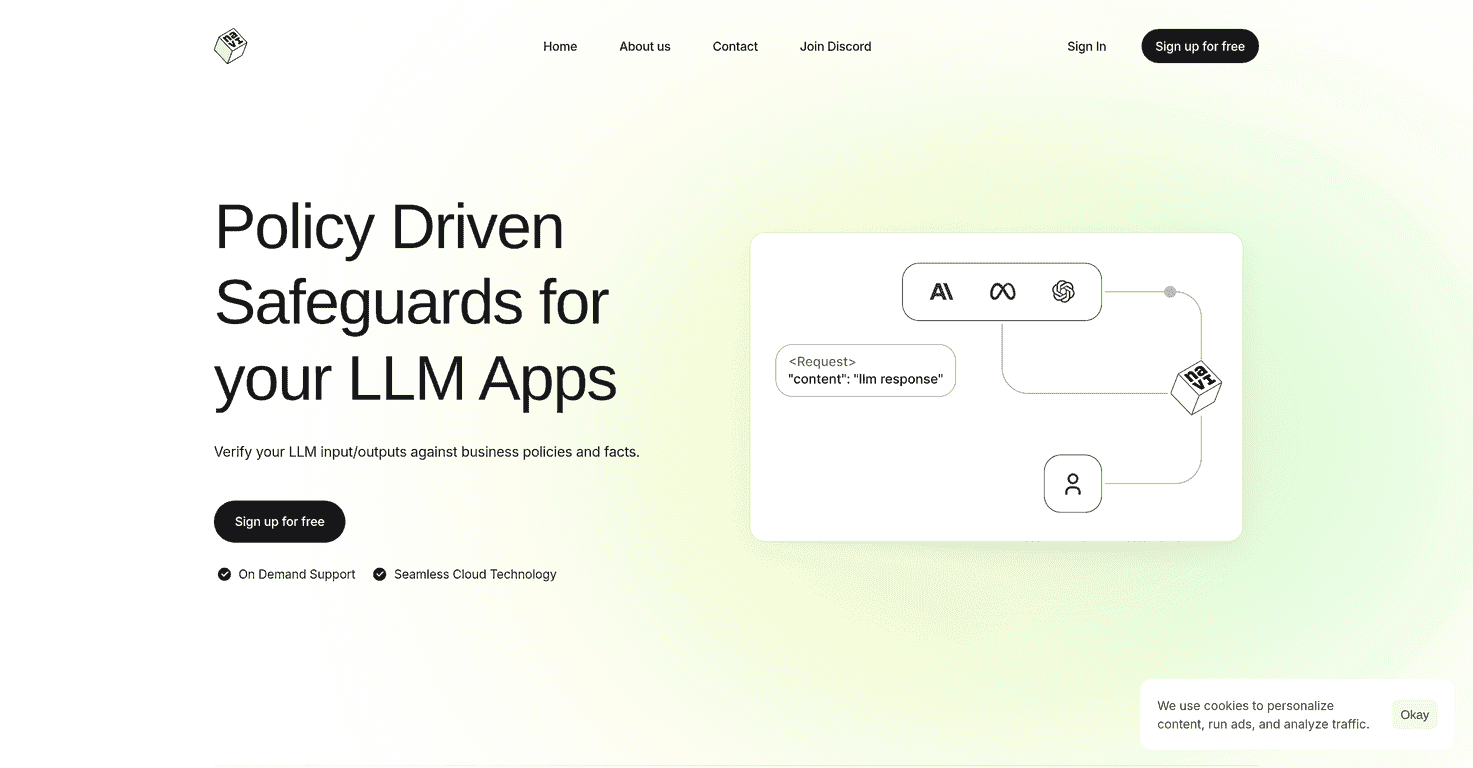
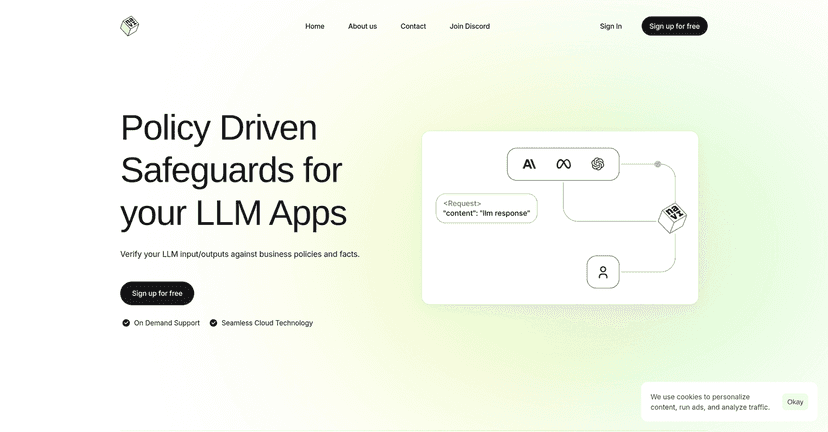
From what I can tell, NAVI is built for real-time verification of language model outputs and automated processes. If you’re running chatbots, generating customer-facing text, or pushing documents through AI pipelines, the big question is always the same: can you trust what comes out? NAVI aims to help you enforce that trust with checks for policy compliance and document-level verification. It also supports both cloud and on-premise deployments, which matters more than people think when privacy and latency are on the table.
NAVI Review: What It Actually Tries to Solve
AI verification tools sound fancy, but the real value is pretty practical. In my experience, the failure points aren’t usually “the model is totally wrong.” It’s more like: it’s slightly off-brand, it uses language your legal team hates, it contradicts a policy, or it leaks details it shouldn’t mention.
NAVI is designed to sit in that gap. Instead of hoping every response is perfect, you verify outputs in real time—so you can catch issues before they reach customers or downstream systems. That includes policy compliance checks on AI responses, plus document verification aimed at identifying legal violations.
Another thing I like is the deployment flexibility. If you’re in a regulated environment, “just use the cloud” isn’t always an option. NAVI supports both cloud and on-premise setups, and it integrates with multiple AI agents through an API. That’s the kind of architecture that makes it easier to fit into what you already have, instead of forcing you to rebuild everything.
Key Features I’d Pay Attention To
- Real-time verification for instant insights
You’re not waiting until the end of the workflow to find out something went wrong. The goal is to validate outputs as they’re generated or processed. - Policy compliance checks in AI responses
This is the big one for customer-facing use cases—making sure the language follows internal rules (and doesn’t accidentally wander into prohibited claims). - Document verification to spot legal violations
If your AI touches contracts, support docs, or compliance-heavy content, this is where verification matters more than generic “moderation.” - API support for multiple AI agents
If you have more than one model/agent (or you’re orchestrating tools), NAVI’s API approach is what keeps everything consistent. - Flexible deployment: cloud or on-premise
In my experience, this can be the difference between “we can use this” and “we can’t.” - User-friendly API + documentation
You don’t want to spend weeks figuring out how to wire it up. Good docs reduce that pain fast.
Pros and Cons (From a Practical View)
Pros
- Real-time compliance verification so AI output issues don’t slip through unnoticed.
- Better reliability for customer interactions—especially when your brand or policy rules are strict.
- Works with existing workflows thanks to API-based integration (instead of being a standalone “black box”).
- Cloud + on-premise options give you flexibility depending on privacy, latency, and governance needs.
Cons
- Pricing isn’t clearly listed on the website.
That’s a real friction point. I don’t mind contacting sales, but if you’re comparing tools, you’ll likely want at least starting ranges or credit/billing details upfront.
Pricing Plans: What You Can Expect
At the moment, NAVI doesn’t publish specific pricing details directly. What it does offer is a free sign-up to receive credits so you can test the platform and see how the verification behaves in your own scenarios.
For exact pricing plans, the guidance is to contact NAVI directly. If you’re evaluating this for a production rollout, I’d recommend asking about:
- How credits map to requests (and whether verification is charged per output, per document, or per token)
- Whether there are different tiers for policy checks vs document/legal verification
- Latency expectations for real-time verification
- Deployment costs for on-premise (if applicable)
Wrap up
So, is NAVI worth looking at? If your team relies on AI outputs and you care about compliance, I think it’s a strong concept—especially because it focuses on verification (not just “best-effort” generation). The combination of real-time checks, policy compliance validation, and document verification is exactly the kind of coverage that helps reduce risk.
The main downside is simple: transparent pricing isn’t available. Still, the free sign-up with credits is a decent way to test it before you commit. If you want a verification layer that can plug into AI agents through an API—and you need the option for cloud or on-premise—NAVI is the kind of tool I’d shortlist and evaluate hands-on.