Table of Contents
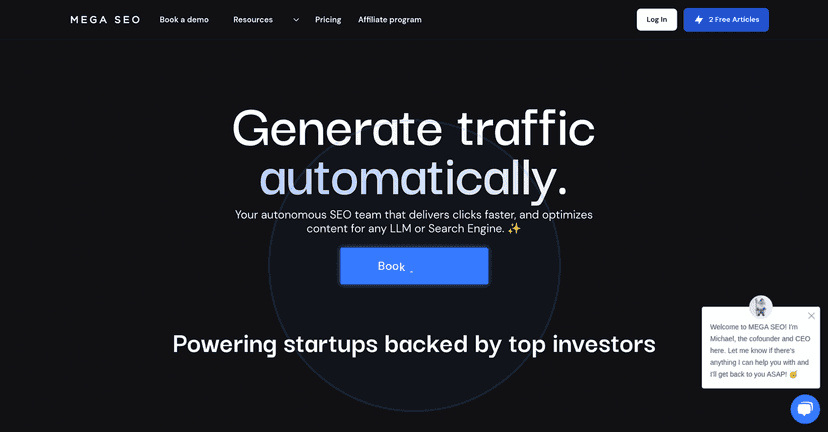
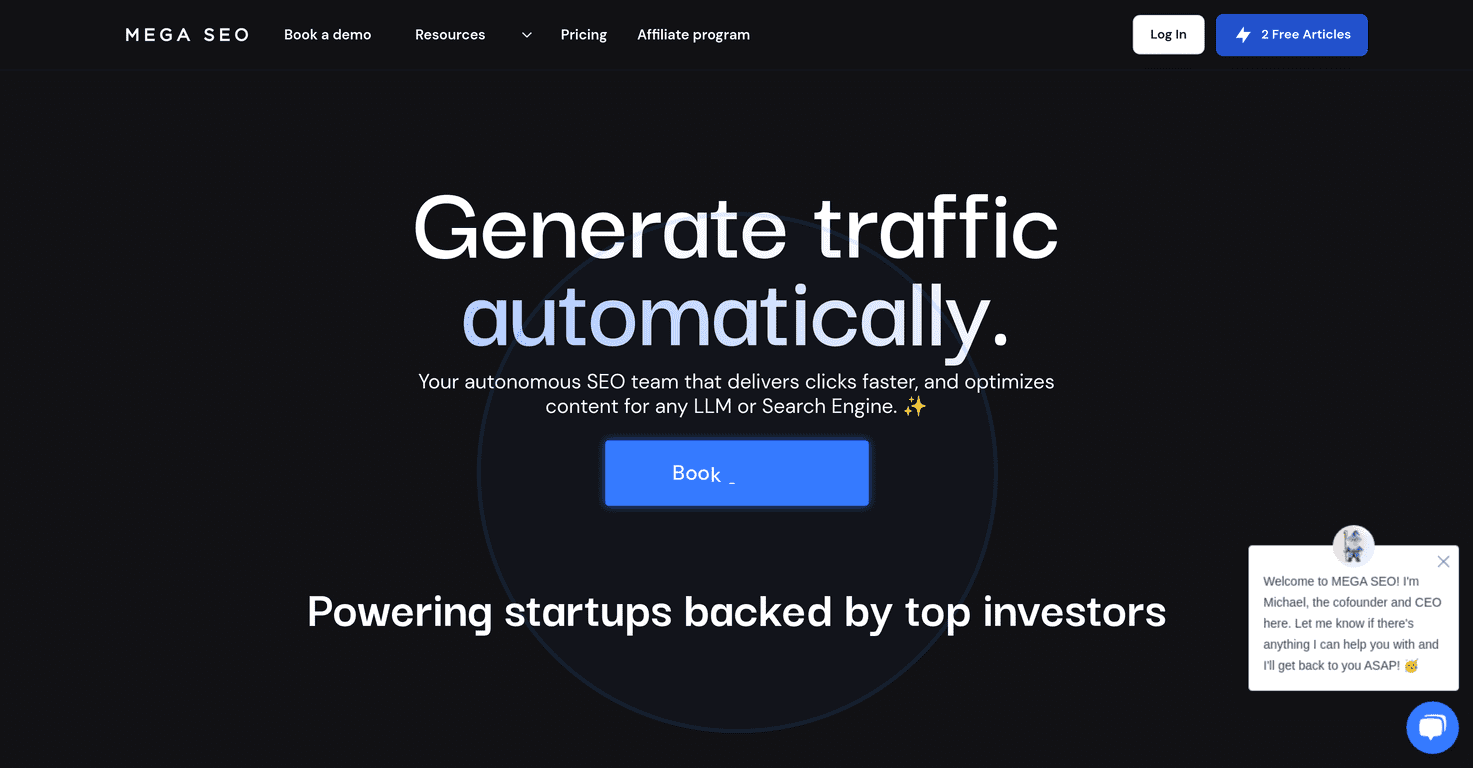
If you’re building a startup and SEO feels like a never-ending to-do list, I get it. You don’t just need “more content.” You need content that targets the right keywords, matches search intent, and actually stays fresh after you hit publish. That’s where Mega SEO comes in.
In my experience, most SEO automation tools either (1) spit out generic articles that don’t rank or (2) require too much manual setup to be worth the hype. Mega SEO tries to sit in the middle: it uses AI to generate and optimize SEO content while also keeping it updated over time. The big question is—does it feel useful in real life, or is it just automation for automation’s sake?

Mega SEO Review
So what exactly does Mega SEO do? At a high level, it combines:
- Keyword research (so you’re not guessing what to write)
- AI content generation (so you can publish faster)
- Optimization and maintenance (so your posts don’t go stale)
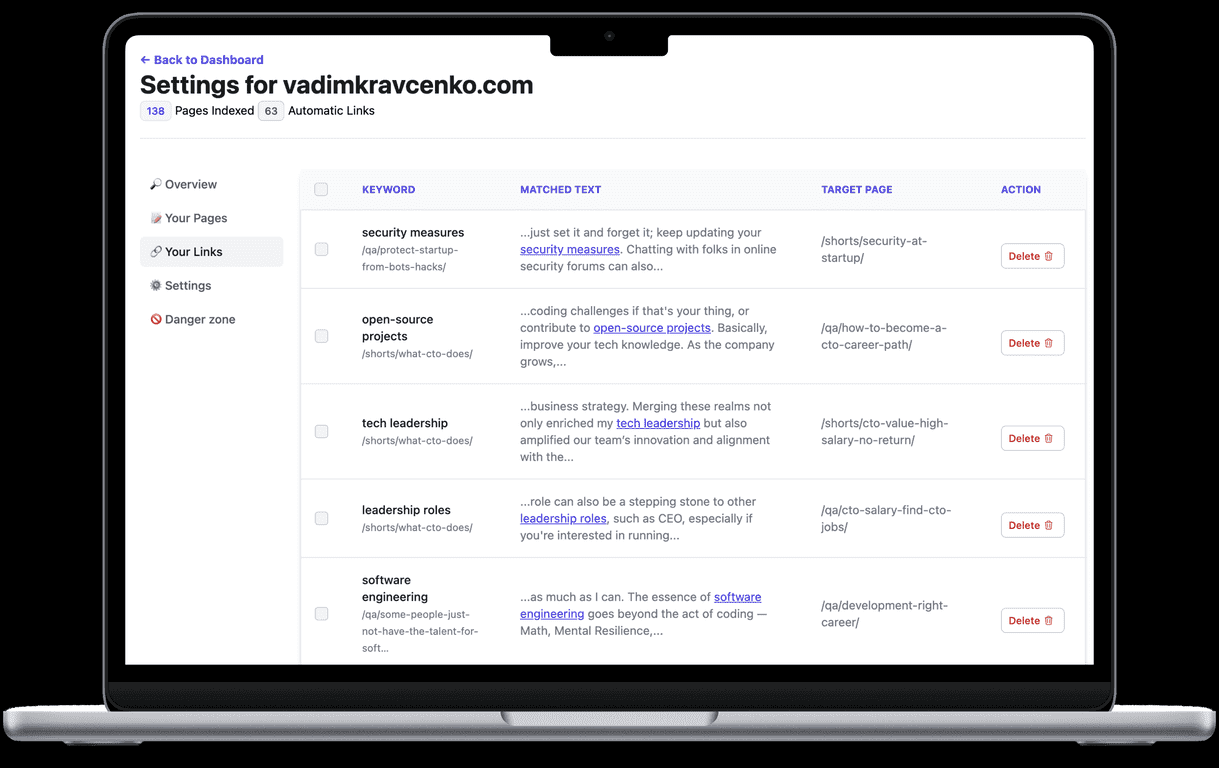
- CMS integration (so you’re not copy/pasting everything manually)
When I look at tools like this, I always pay attention to the “workflow friction.” If the product makes you jump through hoops just to get one post live, it’s not really saving you time. Mega SEO is built to reduce that friction, especially for teams that want consistent output without hiring a full SEO content department right away.
That said, I’m also cautious about any SEO automation that promises rankings too easily. SEO isn’t magic. If your site has thin topical coverage, weak internal linking, or you’re targeting keywords that are too competitive, no tool can fully fix that. Mega SEO can help you execute, but you still need a strategy.
Key Features
LLM-optimized content generation (and what I’d watch for)
- Human-like writing for SEO: The goal here is content that reads naturally, not just keyword-stuffed paragraphs.
- On-page structure: In my experience, the best AI outputs are the ones that give you usable headings, clear sections, and a logical flow—so you don’t have to rewrite everything from scratch.
If you decide to use this, I’d still review the first draft like a real editor. Look for: overly generic intros, repeated phrases, and missing “proof” (examples, stats, or specifics). AI can draft quickly, but it can’t know your product details unless you provide them.
Dynamic / continuous content updates
This is one of the parts I like most. A lot of SEO tools stop at publishing. Mega SEO focuses on keeping content relevant over time. That matters because search results change—competitors update their posts, new features come out, and user intent shifts.
In practical terms, this means you’re not stuck with a “publish it and hope” strategy. You’re building content that can evolve.
Keyword research for lower-competition opportunities
Keyword research is where startups usually waste time. You search, you pick something, and then you realize the keyword is dominated by huge sites with years of authority. Mega SEO’s keyword research aims to uncover low-competition areas so you can start getting traction sooner.
Tip: when you pick keywords, don’t only look at volume. Also check whether the search intent matches what you actually offer. If someone searching that keyword is looking for a beginner guide and you publish a “feature spec” page, you’ll struggle—even with good writing.
Research-driven content (engagement + relevance)
Another feature that’s worth calling out is “research-driven” content. For me, that translates to fewer blank statements and more context. You still want to verify anything factual, but the output should feel grounded.
Automation workflows to speed up results
Automated workflows are great when they’re set up well. I’d treat this as a productivity boost, not a “set it and forget it forever” button. You’ll get the best results when you:
- Start with a clear content plan (topics + target pages)
- Keep a consistent formatting style (headings, FAQs, internal links)
- Review the output before it goes live
CMS integration (WordPress and HubSpot)
CMS integration sounds boring until you try to scale content. If you’re manually formatting posts, adding images, and pasting HTML, it adds up fast. Mega SEO lists integration with platforms like WordPress and Hubspot, which is a big deal for teams that want to publish consistently.
Pros and Cons
Pros
- Automation reduces busywork: It’s easier to go from keyword → draft → optimized content without doing everything by hand.
- AI insights help customization: You can tailor content toward your target audience instead of starting from a blank page every time.
- Content updates keep pages from aging fast: This is especially useful for competitive niches where “freshness” matters.
- CMS integration is a practical advantage: WordPress/HubSpot support means fewer copy/paste steps.
- Pricing is structured around content volume: If you know you’ll publish 20, 60, or 120 articles per month, the plans make budgeting easier.
Cons
- Automation won’t automatically match your brand voice: If your company has a very specific tone (funny, technical, opinionated), you’ll likely need edits and tighter instructions.
- Integrations can still be tricky: Even with CMS support, there can be setup friction depending on your theme, plugins, or content templates.
One more honest note: if your site doesn’t have strong internal linking or you’re not building topical authority, content updates alone won’t fix the bigger SEO picture. Mega SEO helps you execute—your site still needs fundamentals.
Pricing Plans
Here’s the pricing structure Mega SEO is using (based on content needs):
- Writer Agent — $299/month for 20 articles
- Maintenance Agent — $599/month (includes add-on features)
- Writer + Maintenance Agent — $799/month (includes a dedicated account manager)
- Additional options — 60 and 120 articles/month available
If you’re early-stage and you’re trying to build momentum fast, the Writer Agent is the cleanest entry point. If you already have content and you’re trying to keep it ranking, Maintenance makes more sense. And if you want the “draft + keep it fresh” approach, the combined plan is usually the most logical.
Wrap up
My take: Mega SEO is a solid option if you want to publish and optimize content without building a full in-house SEO writing pipeline. The big value is the combination of keyword research, AI content generation, and ongoing updates—because that’s the part most startups struggle with after the first few blog posts.
Just don’t treat it like a magic ranking button. If you put in the basics—clear keyword intent, decent internal linking, and some human review—this kind of tool can genuinely save time and help you stay consistent.
If you’re comparing it to other SEO automation options, I’d focus on one thing: how much time it saves you per article, and whether the output needs light edits or heavy rewrites. That difference is usually where the “real” ROI shows up.