Table of Contents
If you’re trying to learn a new language but you don’t want your routine to feel like a chore, I get it. I’ve tried a bunch of language apps over the years, and most of them either overwhelm you with options or they feel generic fast. That’s why I was interested in LanguageMe AI—it’s built around personalizing your study so you’re not stuck learning stuff you don’t care about.
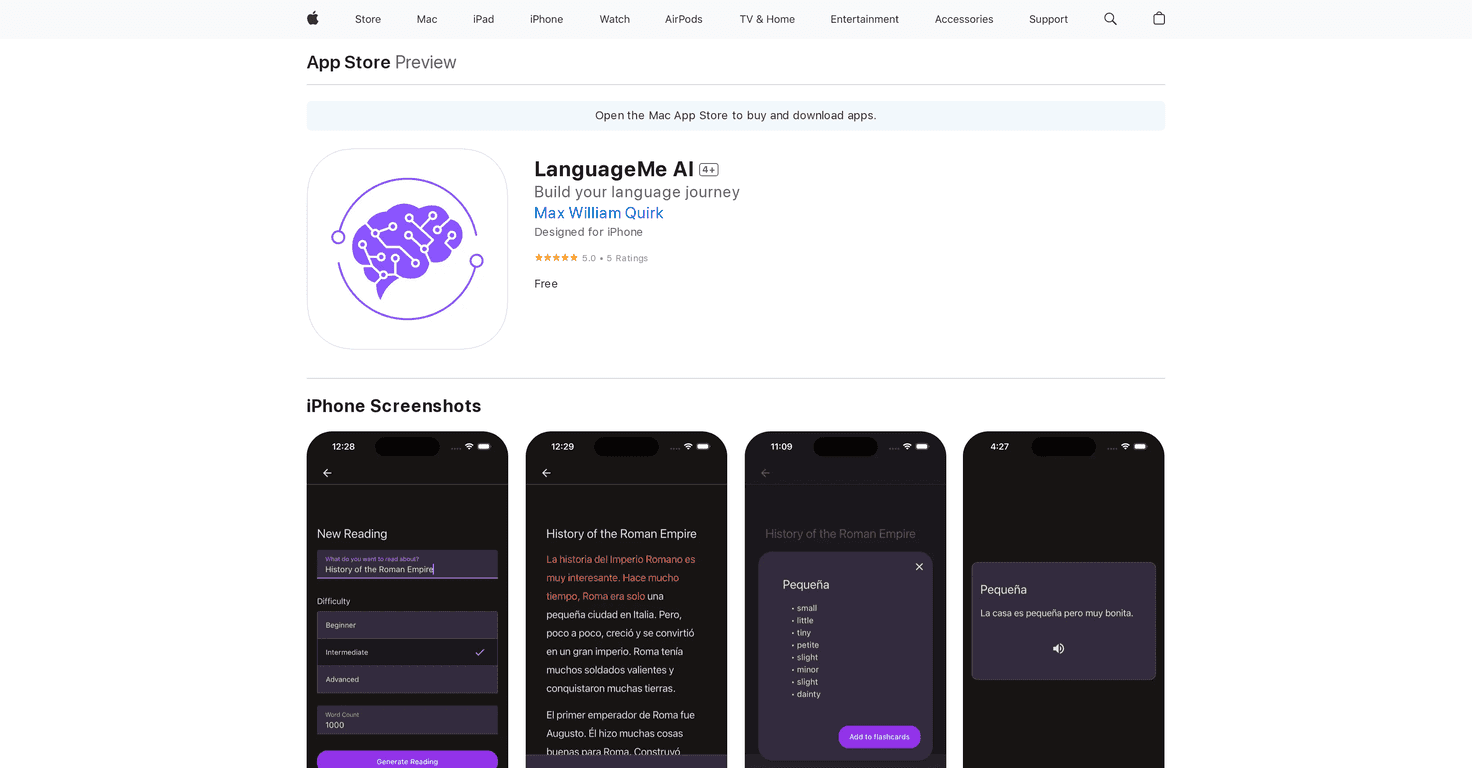
So what does it actually do? In my testing, it leans into vocabulary, phrases, and pronunciation support, with options to study via reading and flashcards. The big hook is that it supports 65 languages and uses AI to help tailor what you’re working on (instead of handing you the same “starter pack” every time).
LanguageMe AI Review: What I Liked (and What I Didn’t)
LanguageMe AI is designed to keep you moving. The interface is straightforward, and in my experience that matters because if an app feels complicated, you stop using it. Here, you can pick what you want to study and set the difficulty. That personalization is the main difference between this and the “one-size-fits-all” approach you see in a lot of apps.
What I noticed most is that it’s strongest for vocabulary + useful phrases. If you like the idea of learning through reading and then reinforcing it with flashcards, you’ll probably feel at home. It also supports text-to-speech, so you can listen before you try to speak (which is honestly how I prefer to learn pronunciation).
That said, if your goal is “I want to have real conversations quickly,” you might feel a little limited. It doesn’t fully replace conversation practice or a structured grammar course. You’ll likely need to supplement if grammar and speaking are your top priorities.
Key Features (How LanguageMe AI Actually Helps)
- Personalized Learning: You can select content based on your interests. In practice, that means you’re more likely to stick with it because the material feels relevant instead of randomly chosen.
- Reading + Flashcards together: The app blends learning methods so you don’t just see words in isolation. You read, then you review with flashcards, which helps the vocabulary stick.
- Spaced repetition: It follows the idea of reviewing items over time (spaced repetition). I like this because it reduces the “cram today, forget tomorrow” problem.
- Text-to-Speech for 65 languages: When you’re learning pronunciation, hearing the words matters. I found the TTS helpful for repeating after the audio and getting comfortable with sounds you don’t have in your native language.
- Romanization support: If you’re learning a character-based language, romanization support can make the first steps much less intimidating.
Pros and Cons: My Honest Take
Pros
- Personalized content: The app feels more “about you” than most language learning tools I’ve used.
- Good pairing of reading + flashcards: This combo made it easier for me to remember what I’d just learned.
- Easy to navigate: No endless menus or confusing setup. You can start studying quickly.
- Flexible for busy schedules: It’s the kind of app you can use for short sessions—5 to 15 minutes—without feeling like you need a full study block.
Cons
- Conversation fluency isn’t the focus: If you want speaking practice like a tutor would provide, you’ll probably need something else.
- Grammar may require extra help: For me, vocabulary and phrases came easier than grammar structure. If grammar is a priority, plan on using a grammar resource alongside it.
Pricing Plans: Is It Free Worth Using?
LanguageMe AI is available for free, which is a big plus if you’re testing whether you’ll actually stick with a new language. I like that you can try it without committing money upfront—especially since consistency matters more than anything else.
If you’re the type who needs to see results fast, my advice is simple: use the free version for a couple of weeks, track what you can actually recognize, and then decide if you want to expand your learning with grammar or conversation practice.
Wrap up
Overall, I think LanguageMe AI is a solid option if you want personalized language learning that’s easy to use and focused on vocabulary, phrases, and pronunciation support. It won’t magically give you fluent conversation skills by itself, but it’s genuinely useful for building a foundation—and that’s what most people need first anyway.
If you’re curious and want a straightforward way to start learning a new language, it’s worth trying LanguageMe AI. I’d just pair it with a grammar resource (and ideally some real speaking practice) if your goal is fluency.