Table of Contents
Making comics (or manga) is one of those things that sounds simple until you actually try it. You’ve got to think about the story beats, the pacing, the characters, and then somehow turn all of that into panels that look consistent. I’ve spent more time than I’d like to admit wrestling with drafts instead of writing. So when I came across Komiko, I was genuinely curious: could an AI tool help me move faster without making everything feel generic?
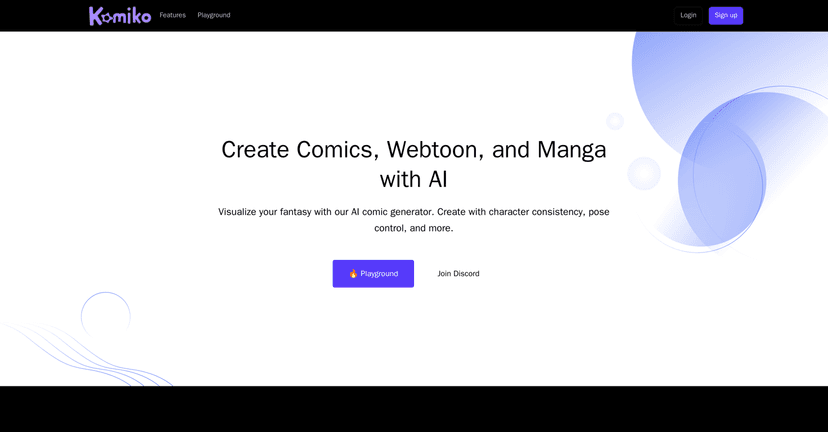
Here’s my hands-on take on Komiko AI—what it does well, what’s a little annoying, and what you should think about before you build your next webtoon or manga project on it.
Komiko AI Review: Can It Actually Help You Make Better Comics?
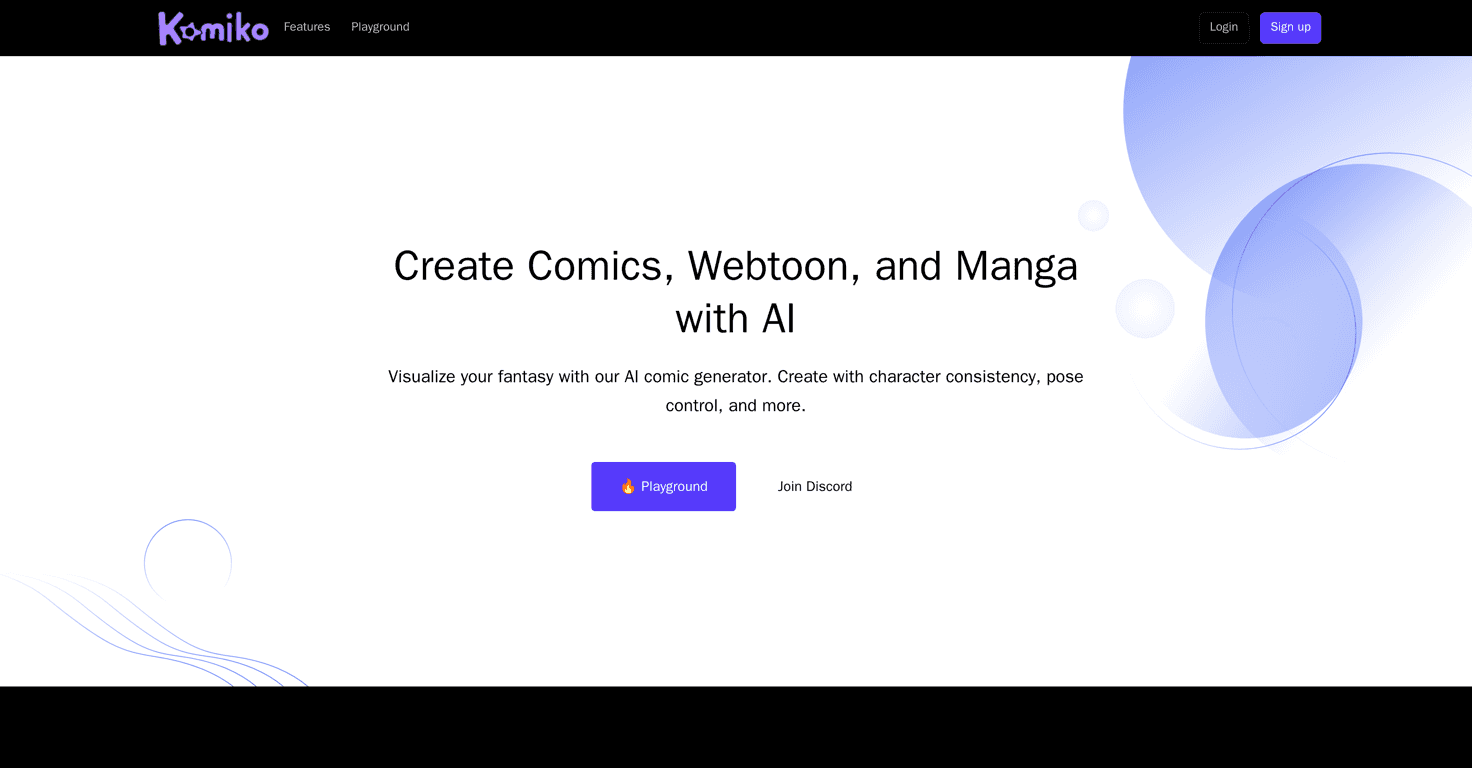
Komiko AI is built for people who want to create comics faster—especially if you’re not trying to draw every single panel from scratch. What I liked right away is the idea of keeping everything in one workflow: you’re not just generating random art and hoping it fits your story. Instead, you’re building toward scenes with characters that can stay consistent.
In my experience, the biggest win here is speed. If you’ve ever had to redo the same character 10 times because the hair color, outfit, or face angle keeps drifting, you already know the pain. Komiko’s approach aims to reduce that “where did my character go?” problem.
That said, AI tools aren’t magic. If you want a highly specific art style or you’re aiming for very niche character designs, you’ll still need to guide the prompts and iterate. But when you do that, Komiko can feel like a legit creative assistant instead of a slot machine.
Key Features That Matter (Not Just the Buzzwords)
- Comic editor with text and speech bubble features
This is one of the most practical features. I don’t want to generate an image and then manually hunt for a way to add dialogue. With the comic editor and speech bubbles, you can actually assemble a panel that looks like a real comic page instead of a standalone illustration. - AI art generator from text prompts
You type what you want, and Komiko turns it into visuals. What I noticed is that the results improve a lot when you’re specific—things like lighting (“late afternoon sun”), camera angle (“medium shot”), and mood (“tense, dramatic”) help. If your prompt is vague, you’ll get vague art. Shocking, but true. - Advanced “Anime AI” for high-quality visuals
If you’re going for anime-style character art, this is the part you’ll probably use most. The visuals tend to look polished compared to basic generators, and they’re easier to drop into comic layouts. - Consistent character design across multiple images
This is the feature I cared about most. Consistency is hard. I tested the same character concept across multiple scenes and found that Komiko does a decent job keeping key traits stable (hair/outfit vibe). It’s not perfect every time—you might still need to re-prompt—but it’s clearly designed to help. - Multiple character support for complex scenes
Some tools can handle one character well and then fall apart when you add a second. Komiko’s multi-character support makes it easier to create group moments—like a conversation scene or a showdown with two or three people—without starting over from scratch. - High controllability for customization (characters, outfits, actions)
You’re not stuck with whatever the model feels like that day. You can guide details like outfits, poses, and actions. In practice, this means fewer “almost right” images and more panels that match what you actually envisioned. - Video generation for animated characters
This is a fun add-on if you want motion. I wouldn’t use it for every panel, but for short clips, intro moments, or social posts, it can add a lot of energy.
Pros and Cons From a Real Creator’s Perspective
Pros
- It’s built for comic creation, not just image generation. The editor and speech bubbles make a difference if you want an actual comic layout.
- Good-looking character art for anime-style visuals, especially when your prompts include mood, lighting, and framing.
- Multi-character scenes are easier to manage than in tools that only shine with one subject.
- Character consistency is a real focus. If you’re making a series, that matters more than most people think.
Cons
- AI dependence can limit your “author voice” if you let the tool do all the creative thinking. If you’re not careful, your story may end up looking like everyone else’s prompts.
- There’s a learning curve. Getting consistently good results takes trial and error—especially figuring out how detailed your prompts need to be.
- Not every art style or story concept lands equally well. If you’re aiming for something very specific (weird design choices, unusual anatomy, hyper-stylized backgrounds), you may need extra tweaking or you might have to compromise.
Pricing Plans: What You Should Expect
Komiko AI’s exact pricing can change, and the original info I saw didn’t list specific numbers. In general, tools like this usually offer a mix of free trials and paid tiers based on usage (things like how many generations you can run or access to higher-quality features). For the most accurate pricing, I’d check the Komiko website directly before you commit.
If you’re trying it for a first comic, my practical advice is to use the trial to test your exact workflow: generate a character, create 3–5 scene panels, and see if the consistency holds up. That’s the real “pricing test,” not just whether the first image looks good.
Wrap up
So, is Komiko AI worth your time? If you want to build webtoons or manga-style panels faster—and you care about keeping character designs consistent—then yeah, it can be a strong option. The comic editor, speech bubbles, and controllable character generation are the parts that feel most useful in day-to-day creation.
Just don’t expect it to replace your storytelling. It won’t write your plot or make your characters emotionally hit the way a good script will. But if you’re like me and you want to spend less time fighting drafts and more time actually creating, Komiko can help you get there.