Table of Contents
Kids’ book ideas are everywhere… and somehow that’s the problem. I’ve sat there with a notebook full of “what if” moments and still felt stuck, because “a good story” isn’t the same thing as a story that actually works for a specific age group.
So here’s how I approach it when I want something that’ll land with kids: I start with a clear target reader (like ages 3–5 vs. 7–9), I decide what format I’m writing for, and then I build the idea around one emotional moment kids recognize right away—like being left out, trying again, or getting brave.
In other words, I don’t just ask, “What should the story be about?” I ask, “What will a kid feel on page 3—and how will that change by the end?” Once you do that, themes, characters, and even illustrations start falling into place.
Below you’ll find a bunch of creative kids’ book ideas, plus practical tips I’ve used to turn messy inspiration into an outline you can actually write. Ready? Grab a snack and let’s make something fun.
Key Takeaways
- Start with relatable ideas tied to real feelings (friendship, bravery, frustration, curiosity), not just “cool concepts.”
- Mix genres on purpose—mysteries in space, cozy fantasy with everyday problems, or sports adventures with a twist.
- Build characters kids can recognize: give them a strong want/need and one memorable quirk (a shy turtle, a wise owl).
- Pick the format based on age and reading stamina (picture books vs. early readers vs. graphic novels), not vibes.
- Use illustration plans as part of the story—where the art carries emotion, humor, or plot beats.
- Choose age-appropriate topics by matching complexity, vocabulary, and themes to the reader’s stage.
- Keep lessons subtle: let the plot earn the message through choices and consequences.
- Add interactive elements sparingly and strategically (lift-the-flap, prompts, QR/audio), with clear placement rules.
Creative Kids Book Ideas
When I’m brainstorming kids’ book ideas, I start with a tiny “scene seed,” not a whole plot. Something like: “A kid drops their lunch and thinks everyone saw.” That’s a real moment. Then I build outward.
Here are some scene-seed prompts you can steal:
- Friendship: Someone new sits at the edge of the playground—do you invite them or avoid them?
- Adventure: A cardboard box becomes a “rocket” (and suddenly there’s a problem that needs solving).
- Overcoming fears: A character has to cross a “shadow bridge” to reach the missing thing.
- Curiosity: A question keeps popping up (“Why do leaves fall?”) and each answer creates a mini adventure.
- Problem-solving: A classroom pet won’t come out—what clues can the kids notice?
Now, themes matter, but they work best when they’re attached to action. For example, “friendship” isn’t just a theme—it’s the reason the character takes a risky step (like offering their last sticker) when it would be easier to stay quiet.
A fun twist I keep coming back to is genre-mixing. Think: a mystery with a gentle vibe for younger kids (“Who stole the bedtime star?”), or a fantasy tale where the “magic” is really learning a new coping skill.
How I keep idea momentum: I keep a running list, but I write entries in a way that’s easy to turn into a plot later. Here’s what one of my list entries looks like:
- List entry: “Tiny dragon is scared of loud noises—tries to hide during thunder.”
- Next step (same day): “Scene seed: thunder starts; dragon’s friends teach a ‘breathing like a flower’ trick; dragon helps another scared animal.”
That’s the difference between “an idea” and “a story.” The second version already has characters, conflict, and a possible resolution.
Fun Story Themes for Kids
Themes are the emotional engine. Without them, your story can feel like a bunch of events stitched together. With them? Kids get pulled in fast.
Here are a few themes that consistently work, plus mini story concepts (with an age lens) you can adapt:
Friendship + honesty (ages 4–6)
Concept: Two best friends build a “cloud fort.” One friend accidentally knocks it over. Instead of blaming, they tell the truth—then they rebuild together, faster and even better.
Why it works: Kids recognize the moment of wanting to hide a mistake. The payoff is teamwork.
Bravery through small steps (ages 5–7)
Concept: A character has to deliver a “brave note” to someone who’s nervous (maybe a new kid, a shy animal, or a kid who’s starting swim lessons). Each page is one tiny step: wave, walk, knock, speak.
Why it works: It turns fear into a repeatable action kids can practice.
Nature as a mystery (ages 6–9)
Concept: “Who moved the stones?” The kids investigate animal tracks, weather clues, and plant changes. The mystery ends with a gentle explanation and a new appreciation for the ecosystem.
Why it works: It teaches observation without turning into a textbook.
If you want prompts to kickstart your own ideas, I’ve had good luck using funny writing prompts for kids. I don’t copy the prompt directly—I use it to generate 5 variations, then I pick the one with the strongest “page 1 problem.”
Engaging Characters for Children’s Books
Characters are where kids connect. In my experience, the best kids’ characters don’t feel “perfect.” They feel a little awkward, a little stubborn, or a little unsure—and then they try anyway.
If you’re stuck, try this simple character formula:
- Want: What does the character hope happens today?
- Need: What do they actually need to learn?
- Flaw: What gets in the way (avoidance, impatience, bragging, fear)?
- Quirk: One visual or behavioral detail kids remember.
Example character set (works for picture books):
- Shy turtle who wants to join a race (want), but needs to believe they can improve (need). Their flaw is freezing when people watch. Quirk: they keep a tiny notebook with “brave ideas” written on it.
- Wise owl who wants everyone to feel safe (want). Their need is letting others lead sometimes (need). Quirk: they speak in question-answers (“What do you think?” becomes “Maybe you’re right.”).
Animals are timeless, sure—but the real magic is giving them human-ish motivations. A mischievous cat shouldn’t just be “funny.” They should also want something specific (like being the helper, not the troublemaker) and have to learn a better way to get it.
And please, give your character one “signature” moment. Maybe the squirrel always reads under the same tree, or the dragon can’t breathe fire—but they can breathe confidence (like a warm glow) when they’re nervous. Those details become memorable beats kids look for on re-reads.
Different Book Formats for Kids
Choosing the format is honestly half the battle. I’ve seen so many drafts that were great stories…but the pacing didn’t match the format, and it felt “off” to early readers or younger kids.
Picture books
- Typical ages: 2–6
- Length: often ~300–800 words
- Illustration density: high (the art carries a lot of the meaning)
- Pacing: short scenes, clear emotional turns
Worked example: Premise: “A kid hides their messy drawing.” For a picture book, I’d make it a 12–20 page arc where each spread shows: mess → worry → misunderstanding → gentle repair → proud display. The illustrations do the emotional heavy lifting.
Early readers / chapter books (light chapter books)
- Typical ages: 6–9
- Length: roughly 1,000–6,000 words (varies a lot)
- Illustration density: medium (often black-and-white or spot color)
- Pacing: slightly longer scenes, more dialogue
For this format, you want a clear plot engine: a problem that keeps escalating every chapter, not just “things happen.”
Graphic novels
- Typical ages: 8–14 (but can be younger with simpler layouts)
- Length: varies widely by publisher
- Illustration density: very high, but the text is often shorter per panel
- Pacing: fast, with visual emphasis on expressions
If you’re dealing with a “reluctant reader” audience, graphic novels help because kids can decode emotion through faces and body language while still following the story.
Interactive formats (lift-the-flap, pop-ups)
- Typical ages: 3–7
- Production note: these can cost more to print and can add complexity to binding
- Placement rule: use interactions at turning points, not randomly on every page
In practice, I plan interactive moments like mini reveals: “Wait—what’s behind the door?” or “Lift here to find the missing item.” That way the interaction supports plot, not just novelty.
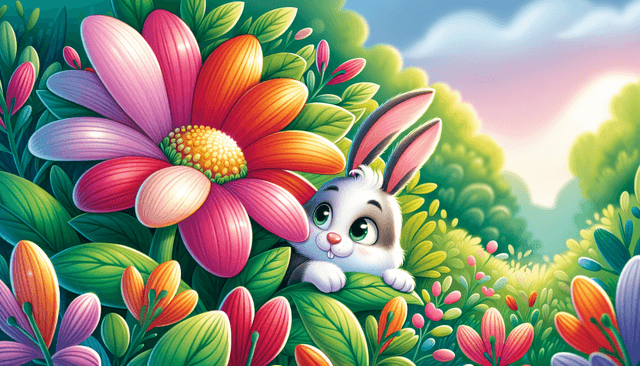
Illustration Ideas for Children’s Stories
Illustrations aren’t decoration. They’re part of the story engine. On a re-read, kids often “read” the pictures first—so if the visuals don’t show the emotion, you’ll feel it.
Here are some illustration directions that make a difference:
- Color choices: bright, high-contrast palettes for energetic moments; softer tones for comfort scenes.
- Expression work: exaggerated faces help younger kids track feelings without needing extra words.
- Visual callbacks: repeat a small detail (like the turtle’s “brave notebook”) so kids feel continuity.
- Humor through timing: the joke lands harder when the art shows the “wrong assumption” right before the correction.
If you’re adding interactive illustration elements (textures, flaps, or lift-the-flap), plan them like you’d plan dialogue—at the exact moment you want a reveal. For example, if your character finds the “lost button” that leads to the solution, the flap should hide the button until that beat.
Also, don’t forget cultural inspiration. I love using real settings and details—different foods, clothing styles, local landmarks—because kids notice authenticity. It makes the world feel lived-in, not generic.
And yes, humor matters. Silly visuals (a dragon wearing earmuffs, a cat “sneezing” glitter) can carry a scene while the text stays simple. That balance is a sweet spot for many picture books.
How to Choose Age-Appropriate Topics
This is where most drafts I’ve reviewed (including my own) needed tightening. “Good topic” isn’t enough. The topic needs the right level of complexity and emotional intensity for the reader.
Here’s the quick way I sort topics:
- Ages 3–5: everyday feelings, simple problems, clear cause/effect, lots of reassurance.
- Ages 6–8: friendships, school situations, “I tried and it didn’t work,” mild mysteries.
- Ages 9–12: identity, bigger consequences, group dynamics, deeper problem-solving.
- Teens: independence, values, social issues, identity choices with consequences.
Example: “Being left out.” For younger kids, I’d keep it simple: one kid feels excluded, a kind action fixes it, and everyone ends safe and included. For older kids, I can explore the social mechanics: rumors, misunderstandings, and how to repair trust.
If you want a starting point for what kids might connect with, use age-specific writing prompts. I like them because they’re structured by age, so you’re not guessing vocabulary or emotional intensity.
Inspiring Messages and Lessons for Kids
I’m a big believer in “message through story.” Kids can smell a lecture from a mile away. What works better is when the lesson shows up as a choice a character makes under pressure.
Try weaving lessons like kindness, resilience, and teamwork into the plot with real consequences:
- Kindness: a character helps even when they’re embarrassed.
- Resilience: they fail, regroup, and try again with a new strategy.
- Teamwork: everyone has a role, and the solution only works when they collaborate.
One practical trick: write your ending first—just one sentence. Like: “In the end, the group learns that asking for help is brave.” Then work backward to build scenes that make that ending feel earned.
And yes, discussion questions at the end can help—especially for read-alouds. Keep them open-ended. For instance: “What would you do if you spilled the paint?” or “Who helped, and how?”
Just don’t cram in five moral statements. Let the narrative do the heavy lifting.
Interactive Elements to Include in Kids Books
Interactive elements can be amazing—when they’re used with restraint. I’ve learned (the hard way) that too many gimmicks can interrupt the story rhythm.
Here’s what usually works best:
- Lift-the-flap reveals: 3–5 flaps in a picture book is often plenty. Place them at key turning points (the missing item, the hidden character, the “surprise” solution).
- Coloring or sticker prompts: 1–2 prompts per book. Put them after a resolution, or in a “practice” section where kids can try the coping skill or recreate the scene.
- QR codes: use them to connect to audio, read-alouds, or character voice clips. Ideally, one QR code per book so it doesn’t feel like a tech demo.
- Write-your-own ending prompts: one prompt near the end, tied to the story’s main decision.
Production reality check: interactive printing (especially pop-ups and sturdy flaps) can raise costs and sometimes complicates shipping and durability. If you’re self-publishing, consider testing a small run or asking your printer what they recommend for page thickness, adhesives, and flap durability.
Example prompt tied to a plot beat (for your own planning): If your story’s climax is “the turtle finds the courage to step on the starting line,” your interactive prompt could be: “Turn to the flap on the starting line. Under it is your ‘brave idea.’ What brave idea would you write for today?”
Tips for Writing and Publishing Kids Books
Writing a kids’ book can feel like starting over every time you revise—because the bar is different. The language has to be clean. The pacing has to be snappy. And the emotional beats have to land fast.
Here are the tips that helped me the most:
1) Match your writing style to the age group
For younger kids, keep sentences short and predictable. For older kids, you can add more nuance—still clear, but with richer cause-and-effect.
2) Draft with “page turns” in mind
I don’t write like a novelist. I write like I’m moving a camera. End a page on a question, a surprise, or a new problem. Then start the next page with the answer or the next twist.
3) Get feedback from the right people
Joining a writing community is useful, but I’ve found the best feedback comes from people who work with kids—librarians, teachers, and parents who actually read aloud. They’ll tell you what dragged, where kids lost interest, and which words confused them.
4) Publishing: what I’ve noticed about submissions
When I’ve submitted work (and watched others do the same), the most common rejection reasons weren’t “your story is bad.” They were things like:
- The manuscript didn’t match the publisher’s target age range.
- The sample didn’t show the voice fast enough (first pages matter a lot).
- The format was off (too long for a picture book, not enough illustration direction, or pacing didn’t fit early readers).
- The concept sounded generic without a unique angle.
That’s why I now tailor submissions carefully—same story, but I make sure the sample pages and pitch highlight the exact thing that fits their list.
5) Self-publishing can work—if you plan the visuals
Self-publishing isn’t automatically “easier,” but it can be more flexible. If you go that route, tools like Amazon Kindle Direct Publishing can help you get your book into readers’ hands faster. Just don’t treat it like a shortcut. A kids’ book still needs professional-looking editing and strong cover/illustration choices.
And even if you’re going text-only, don’t skip visuals entirely. Kids expect support—simple spot art, chapter dividers, or at least consistent typography can help a lot.
One more thing: market it early. Even before launch, share character sketches, “page turn” snippets, or read-aloud clips. You’re building trust, not just selling.
Popular Genres for Children’s Books
Genres help you package expectations. Kids (and parents) like knowing what kind of reading experience they’re getting.
Here are genres that consistently show up in kids’ book favorites:
- Adventure: treasure hunts, quests, and “go find the missing thing” stories.
- Fantasy: dragons, fairies, talking animals, and magical rules kids can understand.
- Realistic fiction: school, family dynamics, friendships, and everyday challenges.
- Mystery: clues, puzzles, and a satisfying “we solved it” feeling.
- Humor: the kind that’s character-driven (not random jokes) so it still supports the plot.
When I pick a genre, I ask myself two questions: “Do I love writing this?” and “Does this match the emotional need of my target age?” If the answers are yes, I’m already ahead.
Resources for Kid-Friendly Book Ideas
If you’re looking for more kid-friendly book ideas, I’d use a mix of inspiration and analysis. That means: read widely and notice what’s working.
Here are some places I check:
- Goodreads for popular children’s titles—look at tags like themes, age range, and series style.
- Library websites for award-winning lists (they’re usually curated well, and you can spot patterns fast).
- FictionPress for sharing drafts and getting feedback—just remember to read critically, not just hopefully.
Also, follow children’s book authors and illustrators on social media. I’ll see a character design idea or a “behind the scenes” writing tip and it sparks something immediately.
If you can, attend local book fairs or kids’ literature events. Meeting people in the community gives you real insight into what families are buying and what kids are excited about right now.
And keep a notebook handy. Some of my best ideas came from overheard conversations—like the way kids explain things when they’re trying to be understood.
FAQs
Friendship, adventure, overcoming fears, diversity, and imaginative worlds are big winners. The best version of any theme is the one tied to a specific problem a kid can picture—then solved in a way that feels hopeful.
Match the topic to the child’s developmental stage and comprehension level. Think about vocabulary, emotional intensity, and how complex the problem is. If you wouldn’t want a 4-year-old to sit through a complicated explanation, don’t write it that way.
Lift-the-flap sections, touch-and-feel textures, simple reader questions, and activity prompts (like “draw what happens next”). QR codes can work too if they link to something genuinely helpful—like an audio read-aloud.
Write with the target age in mind, plan the pacing, and don’t ignore the visuals (even if you’re going text-only). Get feedback from people who read with kids, and make sure your submission materials match the publisher’s guidelines. If you self-publish, invest in editing and a strong cover—because parents judge fast.