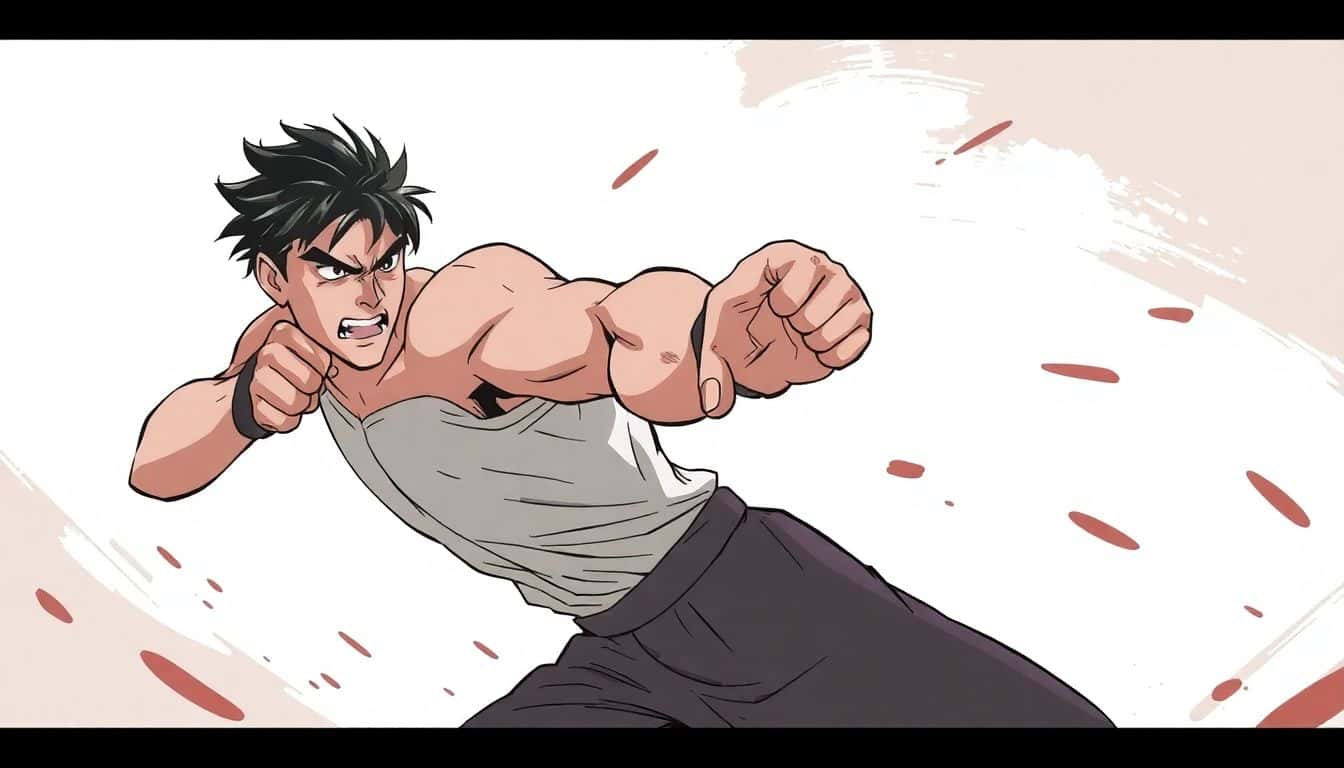
Table of Contents
Let’s be honest—writing fight scenes isn’t easy. You’ve got to juggle fast action, real emotion, and the kind of clarity that keeps readers from getting lost halfway through the exchange.
And if you’ve ever written a fight that felt exciting… until you reread it and thought, “Wait, who hit who?”—yeah. That’s exactly the problem we’re fixing here.
In my experience, the best fight scenes don’t just describe punches. They pull you into the moment, keep the pace readable, and make sure every beat has a reason. So if you want a repeatable way to write fights that land, here are 10 steps that actually help.
Ready? Let’s get into it.
Key Takeaways
- Start with action immediately—drop the reader into movement, not preamble.
- Use short sentences for the “snap” moments, then mix in longer ones for breath and contrast.
- Add brief dialogue that reflects the fighter’s condition (breath, pain, panic, confidence).
- Work in sensory details (sound, texture, smell, heat/cold), but keep them quick and purposeful.
- Make each character’s goal obvious early—defend, escape, prove something, protect someone.
- Swap the advantage more than once so the scene stays tense and unpredictable.
- Use the environment actively: obstacles, slip hazards, furniture, weather, and everyday objects.
- Bring in external pressure (crowds, sirens, time limits) to raise stakes and complicate choices.
- Limit internal thoughts—use quick reactions or fragments, not long inner monologues.
- Show consequences right after the fight: injuries, emotional fallout, changed relationships, new problems.
Step 1: Start the Fight Scene with Clear Action
Don’t ease into a fight scene like it’s a slow intro to a movie. People didn’t pick up your book to read a character walking toward danger for five paragraphs.
Instead, start with the moment movement becomes unavoidable.
For example, I’d cut the “he entered, he ordered, he looked, he thought” stuff. If you want tension right away, go straight to impact:
Original: “Jim entered the bar, ordering a soda as he eyed the guy across the room and thought he might fight.”
Better: “Jim walked into the bar and ducked as a bottle flew past his head.”
See the difference? The second one tells the reader exactly what’s happening right now. No guessing. No waiting.
One trick I use a lot: I start mid-action, then I “backfill” context in tiny pieces. Maybe the bottle wasn’t random—it was thrown because Jim recognized someone. Maybe the bar is loud, so the first warning came too late.
You don’t need the full explanation at the start. Just enough to make the reader lean forward. After that first hit? Then you can show the why.
If you’re stuck on openings, these story idea generators can give you a spark you can build a fight scene around.
Step 2: Use Short Sentences to Speed Up the Pace
Fight scenes have to feel fast, but not messy. The sweet spot is that “snap” feeling—like each beat is distinct.
Short sentences do that. They push urgency and make reactions land immediately.
Instead of writing something long and tangled like, “He swung the bat towards her head, but she ducked down swiftly and moved to the side just in time,” try breaking it into clean, punchy moments:
“He swung. She ducked. The bat sliced air.”
What I noticed when I started doing this more consistently: readers don’t lose track as easily. The action becomes easier to visualize because each sentence acts like a camera cut.
Now, don’t turn your whole scene into a robot. Mix short sentences with a few medium ones. Use the longer lines to reset spacing, show footing, or describe a sudden shift—then go back to short beats for the next exchange.
And if you want more help keeping scenes immediate, this guide on writing effectively in present tense can be a big help for tightening momentum.
Step 3: Include Dialogue to Show Character Emotions
Here’s the thing: readers can enjoy the choreography, sure. But they stay for the emotions.
That’s why I like dropping dialogue into fight scenes—sparingly, but intentionally. One line at the right moment can tell you who’s scared, who’s furious, and who thinks they’re winning.
For instance:
“Is that all you’ve got?”
“This ends here!”
“Don’t—!”
It’s not about giving speeches. It’s about making the fight feel human.
Also, keep it realistic. If someone’s ribs are bruised, they probably won’t talk like they’re on stage. Their lines might come out broken, breathy, or forced:
“Stop—stop moving!”
“I said—” (then they miss their chance)
If you’re not sure how to format dialogue cleanly, use this formatting dialogue effectively guide so your scene stays readable.
Step 4: Engage Readers by Appealing to the Senses
If you only show what the characters see, your fight scene can feel a little flat. Real fights aren’t visual-only experiences. They’re loud. They’re messy. They’re physical.
So I try to add quick sensory hits:
- Sound: the crack of impact, shoes scraping, breath rasping
- Touch: sweat slicking palms, pain blooming, numb fingers
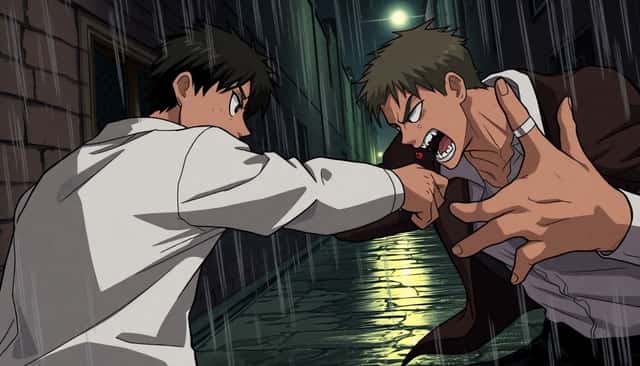
- Smell: beer and sweat in a bar, smoke in a hallway, rain-soaked pavement
For example, instead of “They exchanged punches,” go for something like: “Knuckles cracked against bone with a sickening crunch, sweat stung his eyes, and blood tasted like copper in his mouth.”
That kind of detail makes the scene vivid without turning it into a slow description.
Just don’t overdo it. If you list every sensation for every strike, the scene becomes harder to follow. Pick the most relevant sensations for the moment—then move on.
If you want more realistic description ideas, check out these realistic fiction writing prompts and steal the kind of specificity that makes scenes feel lived-in.
Step 5: Clearly Show Each Character’s Goals and Motivations
Before anyone throws a punch, I like to make sure the reader knows what each person is trying to accomplish.
Because here’s what happens when you don’t: the fight becomes random. Cool, maybe—but random.
Ask yourself: Is one character defending someone? Escaping? Proving dominance? Getting revenge? Buying time to reach an exit?
You don’t have to stop the action to explain it. Just weave hints in during pauses or micro-moments:
Maybe the “villain” keeps grabbing for a specific object. Maybe the hero is taking hits but refusing to land the finishing blow—because they’re protecting someone behind them.
Even a small detail can do a lot. A character pulling punches could signal guilt. A desperate strike that lands too hard could show survival instinct. Those choices tell the reader what matters.
Motivations are emotional anchors. Without them, the scene is just movement.
Step 6: Shift the Advantage to Maintain Reader Interest
A fight where one person steamrolls the other is usually over too fast. And honestly, it’s less fun to read.
What keeps a reader invested is uncertainty. Someone should be winning… and then losing it. Repeatedly.
For example:
- Your hero starts strong, then a surprise weapon shows up and changes everything.
- Your villain looks in control, then slips or misreads a move and suddenly the protagonist gets an opening.
- One character gets the upper hand, but their advantage costs them—positioning, breath, or balance.
Keep those shifts logical. Don’t pull new skills out of nowhere like “and then suddenly he was a master.” Instead, use strengths you already established or environment factors you’ve already seeded.
It’s the same idea as good plot twists: the turn should feel surprising, but also inevitable in hindsight.
Step 7: Describe the Environment to Set the Scene
The setting isn’t just wallpaper. It should affect the fight.
Is the floor slick from rain? Does gravel crunch underfoot and slow someone’s turn? Is there a broken bottle within reach? Can a bar stool become a weapon?
I like to use the environment in small, believable ways—quick details that answer “why did that move work?”
Instead of writing a full weather report, drop in a line like: “She slipped on wet pavement.” That tells the reader it’s raining and explains why the next moment goes sideways.
Those tiny touches add authenticity fast, and they make the fight feel grounded in the real world—not just imaginary punching.
Step 8: Include Spectators or External Events to Increase Tension
One of the easiest ways to raise stakes is to add pressure from the outside.
Because a fight is already stressful. Add a crowd and it becomes chaos.
Picture a crowded marketplace: bystanders scream, people shove through the aisle, and nobody knows who to help. Now your fighters can’t just focus on each other—they have to deal with movement, noise, and distraction.
Or maybe they’re trying to keep their fight hidden. They steal short bursts of violence, then freeze when someone turns their head. That kind of tension? It’s delicious.
Police sirens approaching is another classic—time becomes the real antagonist. Every second matters.
When external events are in play, readers feel urgency because the fight isn’t happening in a vacuum.
If you want ideas for outside complications, take a look at these horror story plot suggestions and adapt them to your battle scene.
Step 9: Keep the Scene Focused by Limiting Character Thoughts
During a real fight, people don’t sit around thinking about life choices. They react. They scan. They survive.
So keep internal thoughts short and urgent. Think fragments:
“Focus!”
“Where’d that knife come from?”
“Too close—too close—”
If you want to add depth, sneak in brief insight during tiny pauses or right after a hard hit. But don’t turn the fight into a therapy session in the middle of chaos.
Internal monologue should enhance the moment, not slow it down. The goal is to keep readers watching the action while still feeling what the character is feeling.
Step 10: Clearly Show the Impact of Fight Outcomes on the Story
Here’s a mistake I’ve made (and seen others make): writing a fight that looks great on the page… but changes nothing afterward.
Your fight should matter to the story. Otherwise, it’s just a spectacle.
Ask: What does the outcome cost?
Did the battle weaken trust between two characters who were close?
Did a loss force your protagonist to retreat, rethink their plan, or change their goals?
Did someone get injured in a way that affects later scenes—mobility, confidence, or ability to fight again?
Show the after-effects immediately. Let the characters react emotionally and physically. Let relationships shift. Let new problems appear.
That’s how you make the fight feel meaningful, not random.
FAQs
Short sentences speed up the rhythm and make each action beat stand out. They help readers track movement and urgency, so the scene feels more immediate and intense—like every punch is landing in real time.
Shifting advantage keeps tension high because readers can’t predict the outcome. When the upper hand changes, it creates suspense and makes the final result feel earned rather than obvious.
Yes—dialogue can show emotion, motivation, and character personality. Just keep it realistic and brief so it doesn’t slow the action. A couple of lines at the right moments can do more than a full exchange.
The environment adds realism and strategy. It can create obstacles, offer weapons, influence footing, and shape what choices characters can make. When the setting actively affects the fight, the scene feels more believable and memorable.