
Table of Contents
Writing historical fiction can feel daunting—after all, capturing the essence of a different time while keeping your story engaging is no easy feat! It’s totally normal to feel overwhelmed by the weight of facts and details.
But don’t worry! If you stick around, you’ll discover a treasure trove of writing prompts that can breathe life into your historical tales. These ideas will spark your creativity and help you craft compelling characters and plots set against rich, vibrant backdrops.
From famous events and notable figures to everyday life in eras gone by, there’s a world of inspiration waiting for you. Let’s dive in and explore some fantastic prompts that will ignite your imagination and get those words flowing!
Key Takeaways
- Historical fiction merges storytelling with real events; writing prompts can help kickstart creativity.
- Consider different time periods; research can enhance your understanding and inspire unique plots.
- Famous historical events can serve as dramatic backdrops for personal stories and character development.
- Real historical figures add depth; blending fiction with their perspectives opens up new narrative possibilities.
- Focus on everyday life details to create authenticity and immerse readers in your story’s setting.
- Develop multi-dimensional characters shaped by their time; flaws and struggles make them relatable.
- Conflict often reflects societal issues of the era; resolutions can mirror real historical complexities.
- Use authentic dialogue for your characters, blending period specifics with modern readability for engagement.

Historical Fiction Writing Prompts
Historical fiction melds the enchanting world of storytelling with the richness of real-time events and cultures.
Writing prompts can spark your imagination in profound ways, combining what is known with what might have been.
For example, you could explore a scenario where a soldier during World War II discovers a lost piece of art that could change the course of history.
These prompts can challenge your characters to confront historical dilemmas, making each story an engaging journey through time.
Time Periods to Consider for Writing Prompts
Choosing a time period can significantly impact the tone and direction of your story.
Consider the Mediterranean during the height of the Roman Empire; the political intrigue and societal norms present a thrilling backdrop for tales of adventure and betrayal.
Alternatively, the roaring twenties in America was a time of decadence and change, perfect for characters grappling with new social freedoms.
To determine what era intrigues you most, think about your own interests, be they the tumultuous days of the French Revolution or the rebellious spirit of the 1960s.
Research can ignite more ideas, offering guidance on historical events, cultural shifts, and significant figures that can add depth to your narrative.
Famous Events as Inspiration for Stories
Remarkable events in history can serve as powerful backdrops or catalysts for your fiction.
Take the sinking of the Titanic—imagine crafting a narrative focused on not just the ship’s affluent passengers but the steerage class facing their own peril.
Another notable event could be the moon landing; what if you wrote from the perspective of a scientist forgotten in the excitement of the mission?
Use these dramatic moments as launch points for your plot, where characters can be driven by their personal stories during these collective experiences.
Not only do these events offer plot possibilities, but they can also create opportunities for exploring themes of love, sacrifice, and resilience.
Notable Historical Figures to Write About
Real-life historical figures often provide rich material for compelling characters or side roles in your storytelling.
Think about inventors like Nikola Tesla or artists like Frida Kahlo; their unique perspectives can introduce depth to your fictional world.
Imagine a young Tesla grappling with his revolutionary ideas among skeptics; this tension could make your story riveting.
Alternately, framing a narrative around a lesser-known figure can head off into creative avenues, like writing about a servant during the Victorian era who becomes entangled in a scandal.
By integrating these figures into your story, you pull readers in with familiar names while forging new narratives that keep them guessing.
Everyday Life in Different Eras
When writing historical fiction, understanding the everyday life of your characters’ time period can add layers of authenticity to your story.
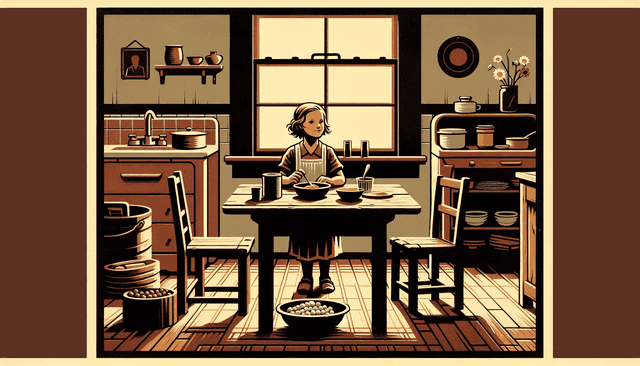
For instance, consider the routines and social customs of families during the Great Depression.
You might explore how they adapted to scarce resources, perhaps telling a story of resilience and hope through the eyes of a child.
Also, look into the clothing, food, and entertainment typical of the era; these details can help transport your readers directly to that time.
Gathering small, day-to-day elements can provide a vivid backdrop that allows readers to see the world through the eyes of your characters.
Using sources like period diaries or letters can deepen this exploration, painting a nuanced picture of life in specific historical moments.
Inventing Characters in Historical Settings
Creating characters who feel real in their historical context is vital to engaging storytelling.
Start by deciding how much historical accuracy you want in your characters; will they be based on real people or entirely fictional?
If they’re fictional, consider how their beliefs, social standing, and experiences would influence their actions within their era.
For example, a wealthy landowner during the Industrial Revolution might have a vastly different perspective than a factory worker.
Character conflicts can arise naturally from these differing viewpoints, leading to rich dialogues and plot developments.
To make your characters relatable, think about universal themes such as love, ambition, or struggle, and how these manifest uniquely in their time.
Don’t forget to give your characters flaws and strengths to make them multidimensional—nobody’s perfect, not even in the past!
Conflict and Resolutions in Historical Contexts
Conflict in historical fiction is often shaped by the very issues that defined eras, and understanding this adds depth to your narrative.
You might explore dramatic societal changes, such as the fight for women’s suffrage or civil rights, and how these affect your characters’ lives.
Consider a character torn between allegiance to family values and a desire for social change; this conflict can drive your plot forward.
As you develop possible resolutions, think about whether they are realistic for the time period you’re depicting.
Sometimes, conflicts remain unresolved, mirroring the complexities of real life and history where not every struggle ends favorably.
Using historical events as a backdrop can give your characters’ personal struggles added weight and relevance, making your story resonate more with readers.
And remember, the resolution doesn’t always have to be heroic; it could simply reflect human adaptability amidst turmoil.
Creating Authentic Dialogue for Historical Characters
Authentic dialogue is crucial for making your characters feel like they belong in their specific time and place.
Study the language and slang used in your era, which can provide insights into how people communicated.
For example, in Victorian England, a character would likely speak with a level of formality, contrasting sharply with a character in the 1970s.
Pay attention to the social hierarchies and regional dialects of the time, as they’ll affect how different classes interact.
To get it right, read both literature and primary sources from the period, like newspapers or letters, to absorb the nuances of conversational tone.
Also, tailor your characters’ speech patterns to reflect their backgrounds; a working-class character will likely phrase things differently than an aristocrat.
And be careful; avoid overloading dialogue with too many archaic terms that might alienate modern readers.
Instead, blend authentic expressions with contemporary readability to make historical conversations lively and engaging.

Research Tips for Historical Accuracy
Researching historical facts is crucial for grounding your story in truth while maintaining a sense of authenticity.
Start with a solid foundation by choosing reputable sources like academic books, documentaries, and historical databases.
Don’t overlook the value of visiting museums or historical sites; they can provide inspiration and context that books sometimes don’t convey.
Joining historical societies or online forums can also offer insider knowledge and connect you with individuals who share your interest.
Make a habit of taking notes on significant events, everyday life, and cultural nuances, as these can enrich your narrative.
When you find conflicting information, cross-reference multiple sources to get a well-rounded understanding of the topic.
Lastly, keep a list of your sources for future reference. This can save you time when you need to verify facts during your writing process.
Combining Fact and Fiction in Storytelling
While history can be a firm foundation, weaving fictional elements into your narrative creates a richer tapestry for readers.
One effective approach is to use real events as backdrops while creating characters and scenarios that may not have actually existed.
For example, you might base your character’s journey around a historical event but give them a fictitious backstory that adds depth to their motivations.
This technique allows you to explore emotional truths that resonate with readers while still honoring the integrity of historical facts.
Remember, your goal is to invite readers into a world where they can feel both the weight of history and the imaginative possibilities of fiction.
Just ensure that the essence of the time period is respected, even when you’re taking creative liberties.
Prompts Based on Historical Locations
Using specific historical locations as your writing prompts can add texture and atmosphere to your story.
Imagine a bustling market in medieval Baghdad, filled with traders from around the globe sharing stories, spices, and traditions.
Alternatively, picture a small village during the Salem witch trials, where paranoia grips the community and history intertwines with personal fears.
Each location comes with its own rich history, landscapes, and cultural elements, which can serve as brilliant backdrops for your narrative.
When brainstorming, think about how the setting influences your characters’ lives and decisions. What challenges would they face in that specific environment?
Try spending a few moments researching histories of various locations and list down a few that intrigue you.
Writing Prompts Inspired by Historical Art and Literature
Art and literature have captured the essence of their times. Use them as jumping-off points for your stories.
Pick a famous painting from the Renaissance and imagine the lives of the people depicted within it. What stories could they tell?
Or, after reading a book from a specific era, consider how the themes could be reimagined through new characters or settings.
Exploring existing works can help you grasp societal norms or a prevailing mood of the time, giving context to your story.
Take notes on emotions and conflicts within the art or literature; they can inspire your characters’ journeys and struggles.
Plus, engaging with these works can spark innovative ways to mesh your narrative with the historical context of their creation.
Challenges in Writing Historical Fiction
Writing historical fiction comes with its own unique set of hurdles, but facing them can lead to growth as a writer.
One common challenge is ensuring accuracy while still creating an engaging narrative. Balancing facts with fiction requires skill.
Another issue is the potential for overwhelming readers with too much information, so it is essential to weave in facts seamlessly.
Character voices are another tricky aspect; capturing how people spoke in different times can feel daunting but is vital for authenticity.
Finally, there’s the risk of oversimplifying complex events or attitudes; aim to portray the nuances and give voices to diverse perspectives.
Remember, challenges aren’t just roadblocks; they can refine your craft and deepen your understanding of the historical worlds you’re creating.
FAQs
Effective prompts can include scenarios based on lesser-known historical events, everyday life in different eras, or iconic figures facing unique challenges. They can inspire creative narratives while retaining historical accuracy.
To ensure historical accuracy, conduct thorough research using books, academic journals, and primary sources. Engage with experts if possible, and consider immersion experiences like visiting relevant museums or historical sites to enrich your understanding.
Writers often struggle with balancing factual accuracy and narrative creativity, managing anachronisms, and ensuring authentic dialogue. Additionally, they must engage readers while accurately portraying historical contexts and events, which can be challenging.
To create authentic dialogue, study the vernacular of the time, including common phrases, slang, and speech patterns. Reading historical literature and scripts can also provide context, ensuring characters sound true to their era.