Table of Contents
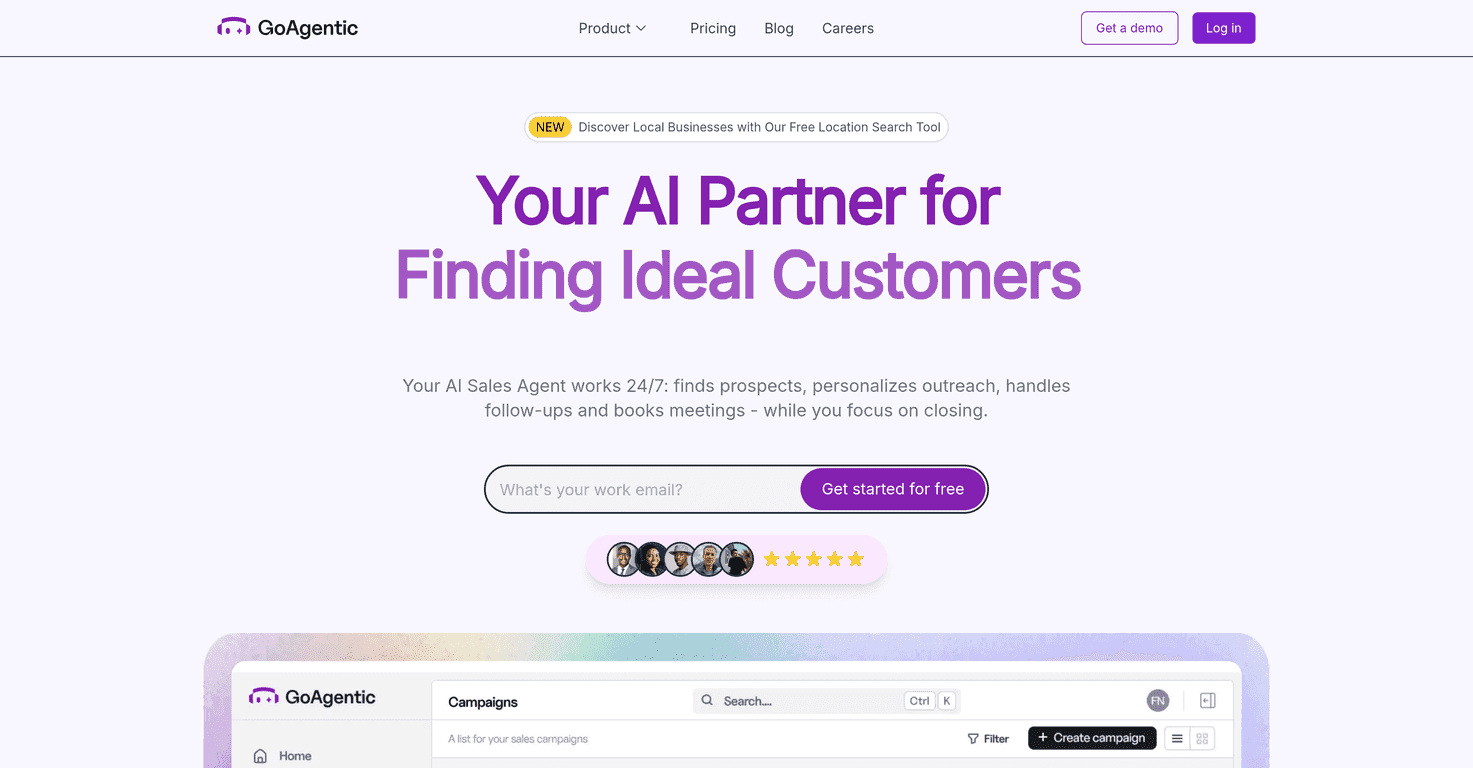
I’ve been testing a few AI sales tools lately, and GoAgentic definitely caught my attention. It’s built around autonomous AI sales agents—basically, it tries to take over the repetitive parts of the sales cycle so your team can spend more time on actual conversations and deal work.
In practice, that means things like initial outreach, follow-ups, and personalization are handled by the system (with the goal of keeping messaging relevant instead of copy-pasted). It also leans into objection handling and smart follow-up logic, which is the stuff that usually eats up hours.
That said, I don’t think AI can fully replace sales instincts. If you don’t set it up carefully, you can end up with messages that sound “off” or that miss context. The good news? With the right configuration and guardrails, the results can be pretty compelling.
GoAgentic Review
GoAgentic basically aims to automate the “front half” of outbound sales. You know the routine: pulling leads, writing the first message, sending it, then circling back a few days later with a follow-up that’s still relevant. That’s where teams burn time—even when they have good messaging.
What I liked most is the way it tries to keep outreach personalized. Instead of treating every prospect like the same template, it’s meant to tailor the message to the lead. In my experience, that’s the difference between “AI spam” and “this feels like someone did a bit of homework.”
Here’s what the workflow looks like conceptually:
- AI SDR outreach: It handles the initial contact and tries to start with something that matches the prospect.
- Personalized messaging: It adjusts wording so the message doesn’t read like a mass blast.
- Follow-ups and progression: It keeps nudging at the right moments instead of relying on someone to remember.
- Objection handling: If a prospect pushes back, the system is designed to respond intelligently and keep the conversation alive.
Now, let me be honest: personalization is only as good as your setup. If you feed it vague targeting rules or messy lead data, the messages can still come out generic. And if you’re in an industry where tone matters a lot (finance, healthcare, enterprise security), you’ll want to review outputs closely at first. Why? Because one weird phrase can kill credibility fast.
Also, there’s a human-touch angle. If your team never gets involved, you risk losing nuance—like reading between the lines when someone’s interested but hesitant. AI can propose responses, but it can’t fully replace the judgment of a good salesperson.
Key Features
GoAgentic’s feature set is focused on one thing: moving leads through the sales funnel without you manually babysitting every step.
- AI SDR automates initial outreach tasks
- Instead of writing and sending the first email/message by hand, the AI SDR is built to start conversations and keep them moving. I found this especially useful for high-volume outbound where the first touch is the biggest bottleneck.
- Personalized outreach that’s meant to feel specific
- The platform is designed to tailor outreach so it doesn’t sound like a template. When it’s working well, it references the right kind of context and speaks to the prospect like a real person might.
- When it’s not? You’ll notice quickly—messages can become too broad or slightly mismatched. That’s usually a targeting/data issue, not “bad AI” per se.
- Full automation of the sales cycle (prospecting + follow-ups)
- This is the core pitch: prospecting, follow-ups, and ongoing engagement handled via automation. If you’ve ever had a lead go cold because someone forgot to follow up, you’ll appreciate what this is trying to fix.
Pros and Cons
Pros
- Less manual work for your team
- Anything that reduces repetitive outreach tasks is a win. You’re not spending your day drafting the same kind of message over and over.
- Personalization potential
- When the targeting inputs are solid, the outreach can feel more relevant than typical automation tools. That often helps response rates.
- Better follow-up consistency
- Follow-ups are where many outbound sequences fail. Automating them means fewer “we meant to reach out again” moments.
Cons
- It can lose some human nuance
- Even with good personalization, AI responses may miss the emotional tone of a real conversation. If your prospects want a relationship (not just a pitch), you’ll still need humans in the loop.
- Miscommunication risk if setup is weak
- If your messaging guidelines, lead fields, or targeting rules aren’t clear, the AI can produce responses that don’t quite fit. I’d treat early campaigns like a “review and refine” phase, not a set-and-forget situation.
Pricing Plans
If you want the most up-to-date pricing (and any plan changes), check the GoAgentic pricing page. I’m not going to guess numbers here because pricing can shift, and you’ll get the accurate info directly from them.
My honest take (what I’d do before going all-in)
If you’re considering GoAgentic for your sales process, here are a few practical steps I’d recommend:
- Start with a narrow audience. Pick one segment you understand well (one industry + one persona). That way, you can tell if the personalization is actually on point.
- Review messages early. Don’t just launch and hope. I’d skim outputs for tone, relevance, and whether the “why you” part sounds believable.
- Write clear guidelines for objections. If your sales team has common pushbacks (pricing, timing, “send info,” competitor already in place), you want those handled consistently.
- Keep humans in the loop for high-intent leads. When someone shows real interest, hand it off. AI is great for outreach, but closing often needs judgment.
Bottom line: GoAgentic can be a strong option if your goal is to reduce manual outbound work and keep follow-ups consistent. Just don’t expect it to magically fix weak targeting or replace your best reps’ instincts.
Promote GoAgentic