Table of Contents
Hey! If you’ve ever stood in front of a shelf (or scrolled through an online store) trying to decide between a paperback and a hardback, you’re definitely not the only one. I’ve done it more times than I care to admit—especially when the “paperback” option is half the price.
So what’s the real difference? Is hardback just for collectors, or does it actually make your day-to-day reading better? In my experience, the answer comes down to how you read, where you keep your books, and whether you’re the type who re-reads the same titles until they look loved.
Below, I’ll break down what each format is, what you’ll notice once you start reading, and which one tends to fit different situations.
Definition of Paperback Books
Paperback books are usually the flexible, paper-covered format you’ll see everywhere. Most of the time, they’re also cheaper than hardbacks, which is honestly why I end up choosing them for a lot of my “casual” reading.
They come in different sizes, but the common thread is that they’re easy to hold and easy to carry. That portability is a big reason paperbacks are popular with students and commuters.
Description
Most paperback books are made by gluing pages together rather than stitching them. That’s part of why they’re typically less expensive to produce.
You’ll also see different cover finishes—matte and glossy are the big ones. I’ve got a soft spot for matte covers because they don’t glare as much in bright light, but glossy can look great on the right design.
Common Features
One of the first things I notice with paperback is how lightweight it feels. It’s the kind of book you can toss into a bag without thinking twice.
Some editions also include extra extras, like “book club” versions with discussion questions or recommended reading lists. Those can be surprisingly useful if you’re reading with friends.
Examples of Popular Paperback Titles
Classic paperback favourites include George Orwell’s 1984, and you’ll also find modern bestsellers like John Green’s The Fault in Our Stars in paperback pretty regularly.
These aren’t just popular purchases—they often end up being the editions people borrow, discuss, and keep on hand for re-reading.
Definition of Hardback Books
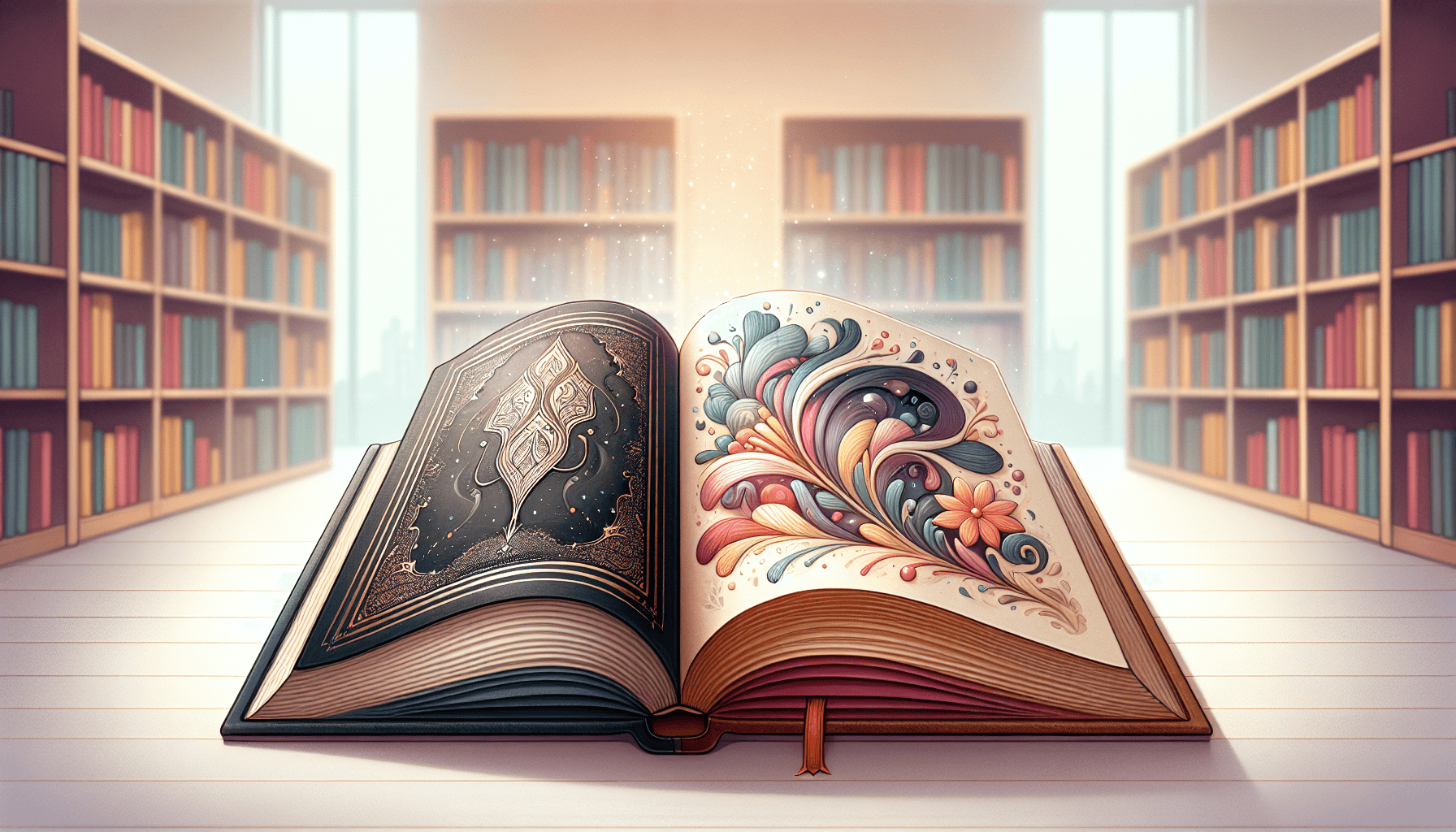
Hardback books (also called hardcover books) are the sturdier option. They have rigid protective covers, and that immediately gives them a more “premium” feel.
In my experience, hardbacks are the format people choose when they want a book they’ll keep for years—maybe even decades—or when the book is special enough to display on a shelf.
Description
Hardcovers often come with dust jackets. Those jackets can have artwork, blurbs, and design details that really make the book stand out.
Underneath, the solid construction helps protect the pages. That means less worry about wear from regular handling—especially if you’re the kind of reader who reads on the move.
Common Features
A lot of hardback editions also include upgrades like ribbon bookmarks, embossed covers, and higher-quality paper. These details might sound small, but they add up when you’re actually using the book.
And yeah, hardbacks are great for gifting. There’s just something about opening a hardcover with a dust jacket that feels more thoughtful.
Examples of Popular Hardback Titles
You’ll often see hardbacks for major classics like Harper Lee’s To Kill a Mockingbird and big-name series such as J.K. Rowling’s Harry Potter.
They also tend to be where publishers put their “special edition” energy—signed copies, limited runs, and collector-friendly printings.
Main Differences Between Paperback and Hardback
Cover Material
The biggest practical difference is the cover construction. Hardbacks use rigid boards, which do a better job protecting the book when it gets bent, bumped, or tossed into a bag.
Paperbacks use a flexible cover, so they’re easier to bend and crease if you’re not careful. If you’re picky about keeping books looking new, that matters.
Price Comparison
Paperback books are usually priced lower. That’s not a coincidence—it’s one of their main selling points.
When you’re buying multiple books at once (or you’re a student working with a tight budget), paperbacks are often the smarter move. I’ve definitely chosen paperback just because I could afford to pick up two instead of one hardback.
Durability and Longevity
Hardcover books generally take the win on durability. The rigid spine and boards protect the inside pages, so the book holds up better over time.
Hardbacks also have a longer “keep it forever” vibe. If you’re building a personal library you actually want to last, that’s where hardbacks shine.
Size and Weight
Paperbacks are typically lighter and easier to carry. They’re great for travel, reading on public transport, or just grabbing something quickly from your shelf.
Hardbacks can feel bulkier—sometimes a lot bulkier, depending on the size and page count. But some people (me included, sometimes) love that solid, substantial feel.
Design and Aesthetics
Hardbacks often look more “finished.” Dust jackets, embossed details, and sturdier cover designs can make them feel like a display item, not just a book.
Paperbacks can be gorgeous too—especially modern designs with bold typography and artwork—but they usually prioritize cost and portability more than “shelf presence.”
Reading Experience
Comfort and Handling
When I’m reading for long stretches, I tend to pick paperbacks if I’m holding the book for hours—because they’re lighter and don’t strain my hands as much.
Paperbacks also flex a bit, which makes them easy to maneuver. You don’t have to fight the book to get comfortable.
That said, hardbacks can be really nice too—especially if they lay flatter when opened. Some hardcover bindings are great for reading at a desk or in bed without the pages trying to spring closed.
Easy to Use for Bookmarks
Paperbacks often have a thinner spine. That makes it simple to slip in a bookmark without the book feeling bulky.
Hardbacks can have thicker spines, and if you’re using a thicker bookmark, it can feel a little awkward. The good news: many hardback editions come with ribbon bookmarks built in, and those are genuinely convenient.
Visual Appeal
Let’s be honest—how a book looks matters. I’ve picked up paperbacks just because the cover design immediately grabbed me.
Paperbacks frequently go for bright, eye-catching artwork aimed at casual browsers.
Hardbacks, on the other hand, often lean into more intricate dust jackets, premium finishes, or embossed details. They’re the kind of books you don’t mind leaving face-out on a shelf.
Storage and Display
Shelf Space Requirements
If you’ve got limited shelf space, paperbacks are usually easier. They take up less room, and they’re easier to fit into tight bookcases.
Hardbacks take more space, no question. But they can also make your shelves look more “curated,” especially if you like arranging books by colour, series, or size.
Stackability
Paperbacks stack easily, which is great if you organize by mood, genre, or what you’re reading next.
Just don’t stack too aggressively—paperbacks can bend or crease if they’re pressed for weeks.
Hardbacks are usually much more forgiving. Their rigid structure holds up better when you stack them, move them, or rearrange your shelves.
Appearance on Shelves
What you put on your shelves says a lot about how you read. Paperbacks tend to create a more relaxed, eclectic look.
Hardbacks often look more elegant—especially when you keep the dust jackets intact and the collection looks neat and consistent.
Target Audience
Readers’ Preferences
Different people genuinely prefer different formats, and it usually ties back to reading habits.
I’ve noticed that avid readers who carry books around tend to lean paperback for portability. Meanwhile, people who treat books like long-term keepsakes often choose hardbacks because they look great and hold up better.
Think about your routine: do you read at home only, or do you bring books with you every day?
Occasion-Based Choices
Occasions matter more than people think.
If you’re reading on vacation, commuting, or you know the book will be handled a lot, paperback makes sense. It’s easier to live with.
But if it’s a gift—or a “this one is special” purchase—hardback usually feels more appropriate. It looks more premium, and it’s less likely to get damaged quickly.
Collectors’ Interests
Collectors often gravitate toward hardbacks because they’re usually higher quality and more visually impressive.
Limited editions, signed copies, and first editions are often released in hardcover formats. If you’re the type who wants something that could become a keepsake, hardback is typically the safer bet.
Some collectors love paperbacks too, but for serious collections, hardbacks tend to take centre stage.
Environmental Impact
Materials Used
Both formats involve paper and printing, but the amount and type of material can differ.
Paperbacks generally use thinner paper and less rigid materials, which can mean lower resource use per book.
Hardbacks often use higher-quality components, including sturdier boards and sometimes a dust jacket. That doesn’t automatically mean “worse for the planet,” though—especially if the publisher sources responsibly and the book lasts longer.
Production Practices
Publishing has been moving toward more sustainable options in recent years. You’ll see things like recycled paper and eco-friendlier inks more often than you used to.
And honestly, that affects both paperback and hardback choices. If sustainability is a priority for you, it’s worth checking the publisher details when they’re available.
Recycling Options
In most places, books can be recycled, but the process can vary depending on local recycling rules.
Paperback covers are often easier to recycle than the tougher materials used in hardbacks. Still, many communities can handle both formats if you follow their guidelines.
If you’re decluttering, I’d suggest checking your local rules first—because “recyclable” doesn’t always mean “accepted everywhere.”
FAQs
FAQs
The big differences are cover material, price, durability, size/weight, and overall design. Paperbacks are usually lighter and cheaper, while hardbacks are more protective and tend to look more premium on a shelf.
Hardback books are generally the better choice for long-term storage. Their rigid construction helps them resist wear and tear, so they hold up better over time than most paperbacks.
Paperbacks often use less material, which can make them a lighter footprint option. Hardbacks may last longer, which can reduce the need to replace the book—so the “greener” choice can depend on how long you keep it and what your local recycling accepts.
Collectors usually prefer hardback editions because they’re sturdier, often have higher-quality components, and tend to look better. Signed copies, first editions, and limited hardcover runs are also more common in collector circles.