LIFETIME DEAL — LIMITED TIME
Get Lifetime AccessLimited-time — price increases soon ⏳
AI Tools

ComplyOps Review – Streamlining Compliance Management

Updated: April 20, 2026
5 min read
#Ai tool#Compliance

Table of Contents

Compliance in product development can feel like a moving target. One week you’re confident you’ve covered the basics, and the next week a regulation changes and suddenly your team is scrambling. I’ve seen how that kind of pressure slows everything down—reviews take longer, documentation gets patched together late, and audits become a last-minute stress test.

This is exactly what ComplyOps is trying to solve. The pitch is simple: bring compliance management into the product lifecycle with automation and regulatory intelligence, so teams can stay proactive instead of reactive. In this review, I’m going to break down what ComplyOps does, what stood out to me as genuinely useful, and where I think you might want to be cautious before committing.

Complyops

ComplyOps Review

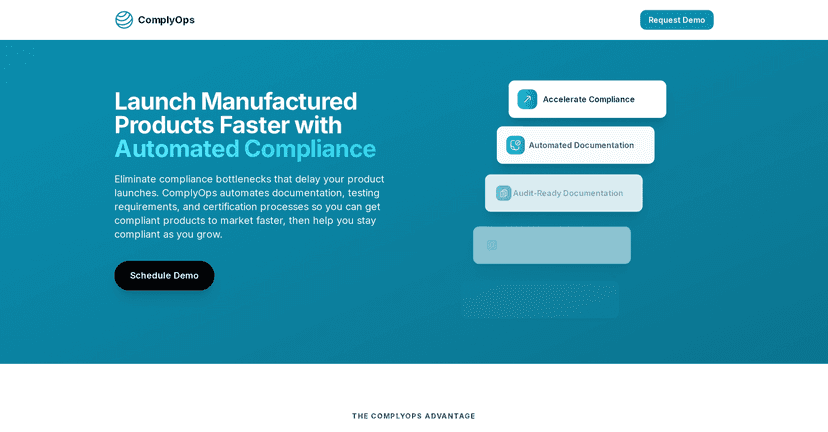
ComplyOps positions itself as a compliance-first Product Lifecycle Management platform. That means it’s not just a document repository where you dump PDFs and hope for the best. Instead, the focus is on tying compliance work to the stages of product development—so you’re tracking requirements while you build, not after you’re already behind schedule.

What I like about that approach is how it changes the day-to-day workflow. Rather than relying on someone’s memory (“Did we cover that requirement?”), ComplyOps is meant to keep compliance status visible and up to date. You should be able to track where you are, what’s pending, and what documentation is needed for specific phases.

ComplyOps also leans heavily on two things: automation and regulatory intelligence. Automation matters because compliance work is repetitive—collecting evidence, keeping records, generating drafts, and making sure nothing is missing. Regulatory intelligence matters because regulations don’t just “sit there.” They change, and those changes can affect eligibility, reporting, labelling, or post-market obligations depending on your product category.

And yes, if you’ve ever had to rebuild audit trails from scattered files, you’ll appreciate the “audit-ready” angle. It’s not glamorous, but it’s the difference between an audit that’s stressful and an audit that’s manageable.

Key Features

  1. Intelligent Automation for compliance management. This is the part that should save your team from manual busywork—especially when evidence collection and documentation updates pile up across multiple projects.
  2. Regulatory Intelligence. The goal here is to track regulatory changes that could affect your products. I’d want to see how quickly updates show up and whether it clearly explains what’s changed and why it matters.
  3. Audit-Ready Records. In practice, this means having documentation and compliance evidence organized so you’re not hunting during an audit. If you’re currently relying on spreadsheets and “folder discipline,” this could be a big improvement.
  4. Real-Time Updates. Compliance isn’t a once-a-year activity. Real-time or near-real-time updates help reduce the risk of building something that later turns out to be out of date.
  5. Automated Tracking. Instead of wondering “are we compliant yet?”, the system should monitor compliance status and make it visible. That’s especially helpful when multiple teams contribute to a single product.
  6. Documentation Generation. Generating compliance documents during product phases is where automation can really earn its keep—drafts, checklists, and structured outputs that reduce rework.
  7. Pre-Market and Post-Market Compliance tools. A lot of tools focus only on getting to launch. Post-market obligations are where companies often get burned, so it’s good to see both sides covered.

Pros and Cons

Pros

  • Faster development cycles (up to 60%). I’m always a little skeptical of big numbers, but if the system genuinely reduces manual compliance steps and delays, that kind of improvement can happen—especially in regulated industries with lots of documentation.
  • Proactive alerts. Alerts are huge because compliance risk is usually discovered too late. If ComplyOps notifies your team when something changes, you can address it before it becomes a scramble.
  • Quicker market entry and lower compliance risk. When compliance evidence is tracked throughout the lifecycle, you’re less likely to hit launch blockers late in the process.
  • Integrates with existing product design tools. Integration matters more than people think. If you have to copy info between tools, you’ll lose time and introduce errors.

Cons

  • Training may be required. Even with “user-friendly” platforms, compliance workflows aren’t always intuitive. I’d expect at least some onboarding time so teams know how to structure evidence and keep statuses accurate.
  • Pricing could be higher than traditional solutions. The value will depend on your volume—number of products, regulatory complexity, and how painful your current process is. If you’re a smaller team with simple requirements, you might not see the ROI quickly.

Pricing Plans

Pricing isn’t listed publicly. If you’re considering ComplyOps, I’d recommend requesting a demo and asking for a clear breakdown based on your use case—number of products or projects, which compliance scopes you need, and whether post-market tracking is included. That way you can compare it fairly to your current compliance setup.

If you want to get the most out of the demo, come prepared with a real example: one product currently in development, the regulations you care about, and the documents your team scrambles for during reviews. That makes it easier to see whether ComplyOps actually fits your workflow—or just looks good on paper.

Wrap up

Overall, ComplyOps looks like a solid option if you want compliance management built into your product lifecycle instead of bolted on at the end. The combination of intelligent automation, regulatory intelligence, and audit-ready records is exactly what teams need when regulations shift and timelines are tight.

That said, it’s not a “set it and forget it” tool. You’ll likely need some training and you should validate pricing and integrations during the demo. If ComplyOps can reduce manual documentation work and keep compliance status visible across pre-market and post-market phases, it could be worth serious consideration for any team operating in regulated environments.

Promote ComplyOps

Stefan

Stefan

Stefan is the founder of Automateed. A content creator at heart, swimming through SAAS waters, and trying to make new AI apps available to fellow entrepreneurs.

Related Posts

Athennian AI Review – Streamlining Entity Management

Athennian AI simplifies entity management processes

Stefan
FirstSign Review – Streamlining User Research with AI

FirstSign Review – Streamlining User Research with AI

FirstSign is a promising tool for startups

Stefan
ClienTask Review – Your Quick Guide to Client Management

ClienTask Review – Your Quick Guide to Client Management

ClienTask shows promise as a management tool

Stefan

Create Your AI Book in 10 Minutes