Table of Contents
Picking the right book format can feel a little like walking into a store with a thousand shelves and no signs. You’re staring at options—paperback, hardcover, eBook, audiobook—and you just want to know what actually makes sense for your book, right?
In my experience, the “best” format isn’t universal. It depends on how your readers like to consume content, what you’re trying to achieve, and how you plan to sell it. Get that part wrong and you might end up with a great book… in the wrong package.
So yeah, it matters. But it doesn’t have to be stressful. I’ll walk you through the main format choices, what to think about for each one, and the trade-offs that most people only realize after they’ve already hit publish.
By the end, you should be able to pick a format (or a smart mix of formats) that fits your goals—whether that’s quick sales, serious brand building, or growing an audience that actually sticks around.
Key Takeaways
- Start with reader behavior: e-books usually win on convenience, while print wins on “I want something in my hands.”
- Know the options: print (hardcover, paperback, digest), e-books, and audiobooks—each has different strengths and limitations.
- Use audience demographics and reading habits to guide your format choice (not just what you personally prefer).
- Budget matters: print production typically costs more upfront; digital formats are cheaper to launch but may have platform fees.
- Think distribution from day one: print needs shipping and retail placement; e-books and audiobooks depend heavily on online platforms.
- Match format to goals—speed to market, credibility, or audience growth should drive the decision.
- Get feedback early from people who’ve published similar books so you don’t waste time on the wrong setup.
Choose the Best Book Format for Your Needs
Deciding on the right book format is one of those “small choices” that ends up affecting everything—pricing, marketing, production time, and even how people talk about your book.
First, I always start with how your audience wants to engage. Do they want instant access and portability, or do they want something physical they can highlight and keep?
For example, if your readers are busy professionals who are reading between meetings or while commuting, an e-book (or audiobook) is usually the easiest yes. People don’t want friction. They want “open and go.”
But if your readers are the type who collect books, keep them on a shelf, and love cover art and paper quality, print can be the better fit. And honestly? You can feel the difference when someone buys a physical copy versus downloading a file.
Next, I look at your goals. Are you trying to maximize sales volume quickly? Build authority? Create a long-term brand asset? Each goal points to different formats.
Also, don’t ignore your marketing strategy. If your launch relies on email promos, Amazon ads, and downloadable lead magnets, digital formats tend to play nicer. If your plan includes book events, local stores, or gifting, print makes more sense.
One more thing: ask people who’ve published similar books. Not in a vague way—ask what they’d do differently with the format if they could.
Understand the Different Types of Book Formats
There are more options than most first-time authors realize. Here’s the practical breakdown I use when I’m deciding what to offer.
Print formats usually include hardcover and paperback, and sometimes digest-sized editions depending on the genre. Hardcover often signals “premium” and works well for collectors or gift-friendly titles. Paperback is typically easier on the wallet and still feels “real” to readers who like physical pages.
E-books are convenient. They download instantly and are easy to distribute widely. But the reading experience can vary depending on formatting—especially for books with lots of charts, diagrams, or complex layouts.
Audiobooks have really taken off. In 2021, more than 74,000 new audiobook titles were published. That’s not a tiny trend—it’s mainstream momentum.
And here’s what I noticed: audiobooks don’t just reach “different readers.” They reach people in different moments. Gym time, errands, cleaning the house—suddenly your book is with them all day.
So yes, each format has pros and cons. The key is weighing them against your book’s content and your readers’ habits, not against what sounds impressive.
Consider Your Audience When Selecting a Format
Your audience isn’t just a demographic—it’s their daily routine. That’s what determines whether they’ll actually buy and read.
If your readers skew younger or are heavy mobile users, e-books and audiobooks often fit better. They’re built for “I’ll read for 10 minutes here and there.”
On the other hand, if your audience is older, or they’re the kind of readers who treat books like a leisure ritual, print can feel more satisfying. People love the physical experience—turning pages, bookmarking, returning to the same copy.
How do you figure this out without guessing? I like doing quick, low-effort research:
- Run a poll in your newsletter or social channels: “Would you buy this in print, e-book, audiobook—or all three?”
- Check what similar authors in your niche are doing (and what their readers comment on).
- Look at your existing engagement: are your followers asking for downloads, or are they asking about signed copies?
For instance, recent reports suggest many Americans prefer a mix of formats. That’s a big hint: you don’t always have to bet everything on one option.
Bottom line: match the format to what your readers already do. Don’t force them to change their habits just to read your book.
Evaluate Print vs. Digital Options
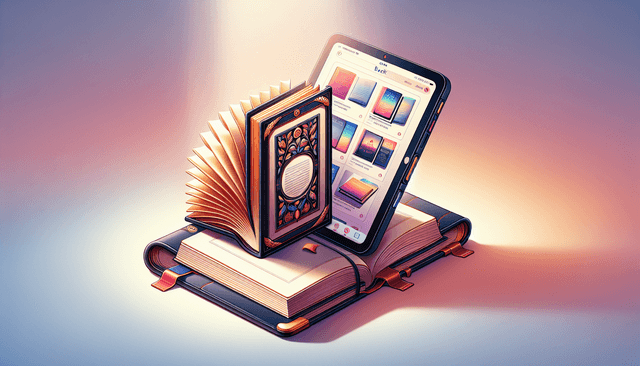
If you’re stuck between print and digital, I’d think about two things: how people buy and how they read.
Print still has serious demand. In 2022, print book sales in the U.S. reached close to 790 million units. That’s a lot of people choosing physical copies, not just downloading files.
Digital is also growing. Annual spending on e-readers has stayed above $25, and e-books keep getting easier to consume and share.
Here’s where content type matters. If you’re writing instructional material—step-by-step guides, workbooks, recipes, manuals—e-books can work well because updates are easier and certain formats support navigation and quick searches.
But if your book is more about atmosphere, design, or “slow reading,” print might feel more natural. Creative works often benefit from a physical layout and the ability to linger on typography and covers.
And yes, reading context matters too. If your audience reads on the go, digital formats like e-books or audiobooks can be the better match because they fit into commuting, chores, and downtime.
Think About Your Budget and Costs
Let’s be honest: money drives a lot of format decisions.
Print often costs more upfront because you’re paying for printing and distribution. If you go for higher-quality paper, special covers, or larger trim sizes, the price goes up fast.
Digital formats usually have lower upfront costs. That’s why they’re so popular with new authors. You can launch without worrying about inventory sitting in a closet.
But don’t forget ongoing costs. Print might mean warehousing, shipping, or managing returns depending on how you sell. Digital can come with platform fees or costs for formatting and cover design.
What I recommend is simple: decide your maximum “risk amount” before you pick a format. Then compare the expected return and how long you’re willing to wait to see results.
Assess Distribution Channels for Your Chosen Format
Distribution is where formats either help you reach readers… or quietly limit you.
For print, you may need to work with bookstores, libraries, or distributors. That can take time—sometimes a lot of it—especially if you’re trying to get shelf placement.
Online retailers are still important for print, but they’re even more central for e-books. Platforms like Amazon are a major gateway for digital discovery, and you’ll want to make sure your metadata, cover, and pricing are set up properly.
Audiobooks have their own ecosystem. Audible and iTunes are common channels, and the right category placement can seriously impact visibility.
Before you commit, map out how your readers will actually find your book. Don’t just ask “where can I sell it?” Ask “where will my people browse?”
Review the Pros and Cons of Each Format
Here’s the honest rundown of what you gain—and what you’ll have to manage—for each format.
- Pros: tangible presence, great for collectors, often works well for gifting and brand credibility.
- Cons: storage and shipping logistics, potential handling costs, and you can’t “fix” a typo as easily once it’s printed.
E-books
- Pros: instant delivery, broad reach, usually lower production costs, easy to distribute globally.
- Cons: formatting issues can ruin the reading experience (especially with complex layouts), and you’re relying on platform visibility.
Audiobooks
- Pros: growing mainstream demand, fits into busy lifestyles, can boost engagement for readers who prefer listening.
- Cons: production quality matters—narration, pacing, sound editing. It’s not “quick and easy” unless you’re prepared for the work.
And yes, audiobooks have been adding a ton of titles—over 74,000 new releases in 2021—but quality and performance still determine whether people stick around.
Decide on the Right Format Based on Your Goals
Your goals should drive your format choice. If they don’t, you’ll end up making decisions based on guesswork.
If you want revenue quickly, e-books can be a smart starting point because they often require less upfront cost and can launch fast.
If your goal is long-term credibility—building trust, establishing yourself in a niche, and creating a “real” brand presence—print can pay off over time. People remember physical books. They also tend to share them more in certain communities.
And if you’re thinking bigger than one title, consider how format supports your larger plan. Are you building a series? Do you want to reach new readers with different consumption styles? Do you want your author profile to feel consistent across platforms?
In my experience, aligning format with strategy is the difference between “we published something” and “we built something people want to come back to.”
Get Feedback on Your Format Choice from Peers or Experts
I’ll admit it: it’s easy to get tunnel vision when you’re deep in writing. That’s why feedback helps.
Talk to authors in your genre. Ask editors what they’ve seen work. If you can, talk to people who’ve already released both print and digital versions of similar books.
Online communities can be great too, but focus on specific questions. Instead of “What format should I choose?” try:
- “What format did you launch with, and why?”
- “Did you regret not offering a second format sooner?”
- “What surprised you about production or reader expectations?”
You’re looking for practical insights—things like whether readers complained about formatting, whether print sales were slower than expected, or whether audiobooks needed more budget than they planned.
External input doesn’t just refine your decision. It can help you avoid the classic mistakes that waste time and money.
FAQs
The main types of book formats include print (hardcover and paperback) and digital (eBooks and audiobooks). Each format serves different reading preferences and purposes, catering to various audiences.
Consider your audience’s preferences, habits, and reading environments. Do they prefer tactile experiences or digital convenience? Conduct surveys or seek feedback to better understand their needs.
Print books provide a physical reading experience and can be sold in stores, while digital books offer instant access and convenience. Each option also affects production costs, distribution, and market reach.
Evaluate production costs, marketing expenses, and potential pricing strategies. Distribution methods, whether through bookstores or online platforms, will also impact profit margins and audience reach.