Table of Contents
We all have our quirks and imperfections, right? Character flaws are part of what makes us human, even if they sometimes drive us a bit crazy. From stubbornness to jealousy, these traits can make life interesting, albeit challenging at times.
But here’s the good news: understanding these flaws can help us navigate our relationships and even enhance our storytelling skills. Stick around, and you might just discover some insights on how to handle these pesky traits—both in yourself and others.
We’ll explore common character flaws, their impact on relationships, and how to portray them in stories, along with some real-life examples. By the end, you’ll be better equipped to recognize and tackle those flaws head-on!
Key Takeaways
- Character flaws are normal human traits, like stubbornness or jealousy, that can impact relationships and storytelling.
- Flaws are categorized into minor, major, and fatal, affecting decisions and character development.
- Understanding these flaws can improve communication and deepen emotional connections in relationships.
- Self-reflection and feedback from others help identify and address personal character flaws.
- Character flaws add depth to stories and make fictional characters relatable and compelling.
- Recognizing flaws in real life fosters empathy and understanding, enhancing personal interactions.
Examples of Common Character Flaws
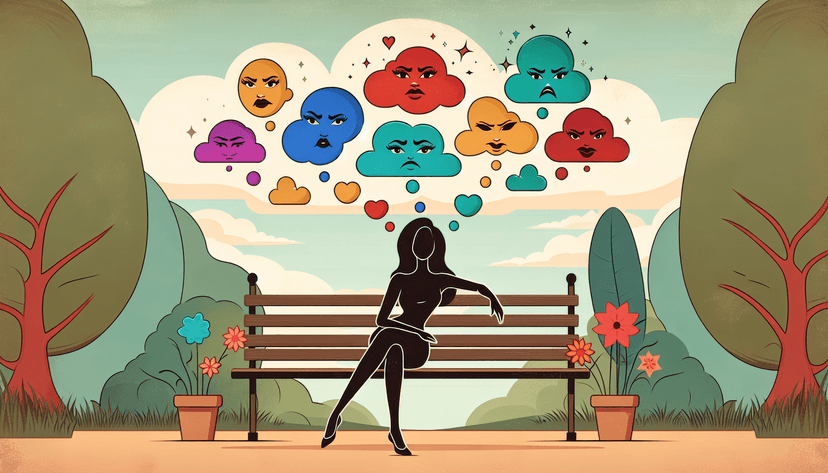
Character flaws come in all shapes and sizes, and they can add depth to personalities, real or fictional.
Some quirky examples include being chronically late or overly fond of puns, which can make someone endearing.
On the flip side, flaws like arrogance, holding grudges, or being vengeful can cause significant rifts in relationships.
Understanding these flaws can help you identify them in characters or people around you.
Using them effectively in storytelling can drive tension and personal growth, forcing characters to confront their weaknesses.
Understanding Different Types of Character Flaws
Character flaws can be categorized, making it easier to understand their impact.
Minor flaws, like being a little disorganized, are usually harmless but can be endearing and relatable.
Major flaws, such as stubbornness or impulsiveness, significantly affect decisions and relationships.
Fatal flaws, like overconfidence or a complete inability to trust others, often lead to a character’s downfall.
Recognizing each type helps build more complex, relatable characters in storytelling.
How Character Flaws Affect Relationships
Character flaws can act like speed bumps in relationships; they can make things smooth or quite bumpy.
For instance, a tendency to be overly critical can make communication tough, while a flaw like being naive might invite manipulation.
Understanding how these flawed traits impact dynamics is crucial; sometimes, a flaw can be what makes someone unforgettable.
It’s important to communicate openly about these flaws, fostering understanding and growth in relationships.
Addressing flaws isn’t just about minimizing conflict; it can also serve as a pathway for deeper emotional connections.

Recognizing Character Flaws in Yourself and Others
The first step in addressing any character flaw is recognizing it, both in ourselves and those around us.
Start with self-reflection; keeping a journal can help identify patterns in your behavior or reactions.
Consider asking trusted friends or family members for their input; they might see things you overlook.
Reading about different types of character flaws can increase your awareness, making it easier to spot them in others.
Once you identify a flaw, whether it’s impatience or a tendency to gossip, think about its root cause—this helps in understanding how to handle it.
How to Use Character Flaws in Storytelling
Character flaws are essential tools for story development, providing depth and conflict.
Think about the type of flaw your character has; is it a minor quirk, a major imperfection, or a fatal flaw?
Establish how this flaw affects their relationships, choices, and ultimately, the story’s outcome.
As your character faces challenges, let their flaws influence their decisions; this can lead to insightful character arcs.
For example, a character who is painfully shy may miss opportunities for connection, leading to a pivotal moment in the story.
Remember, incorporating flaws makes characters relatable and can resonate with readers’ own experiences and challenges.
Addressing and Overcoming Character Flaws
Recognizing a character flaw is the first step, but addressing it is where real growth happens.
Start by setting personal goals; for instance, if you often interrupt others, aim to practice active listening.
Consider seeking feedback from close friends or family, who can help hold you accountable in your journey for improvement.
Setting small, achievable goals helps build confidence. Celebrate little victories along the way; progress takes time.
Engage in self-awareness practices like mindfulness or meditation, which can improve emotional responses and behavior.
Sometimes, professional help from a coach or therapist can offer deeper insights and techniques for overcoming persistent flaws.
Common Character Flaws in Fictional Characters
Fictional characters often mirror the complex nature of real people, making common character flaws relatable.
Classic examples include the arrogant hero who struggles with the consequences of their pride.
Another frequent flaw is impulsiveness, which leads characters into trouble—think of classic impulsive adventurers.
Flaws such as being overly cautious or fearful can generate tension as characters face their challenges.
Ultimately, flaws bring authenticity to fictional characters, fostering empathy and making their journeys compelling.
Real-Life Examples of Character Flaws
Character flaws aren’t just for books or films; they exist in everyone around us, often shaping dynamics in interesting ways.
Take jealousy, for example; it can lead to decisions that strain friendships or even families.
People who are chronically late may miss opportunities or hurt others’ feelings, reflecting a minor yet impactful flaw.
On the other hand, someone with a strong fear of change may resist job offers or new relationships, stunting personal growth.
Recognizing these flaws in real life aids in personal understanding, fostering a more compassionate response to others.
Embracing our imperfections, and those in others, makes interactions more authentic and relatable.
FAQs
Common character flaws in literature include arrogance, greed, jealousy, and pride. These flaws create conflict and enhance character development by challenging protagonists and making their journeys more relatable and engaging for readers.
Character flaws can lead to misunderstandings, conflicts, and disappointments in personal relationships. Recognizing and addressing these flaws can foster better communication and understanding, paving the way for healthier interactions.
Addressing character flaws in storytelling adds depth to characters and realism to narratives. It allows character growth, creating more engaging plots that resonate with audiences through relatable challenges and triumphs.
To recognize character flaws in yourself, reflect on patterns in your behavior, listen to constructive feedback from others, and assess recurring challenges in relationships. Self-awareness is key to identifying areas for growth.