Table of Contents
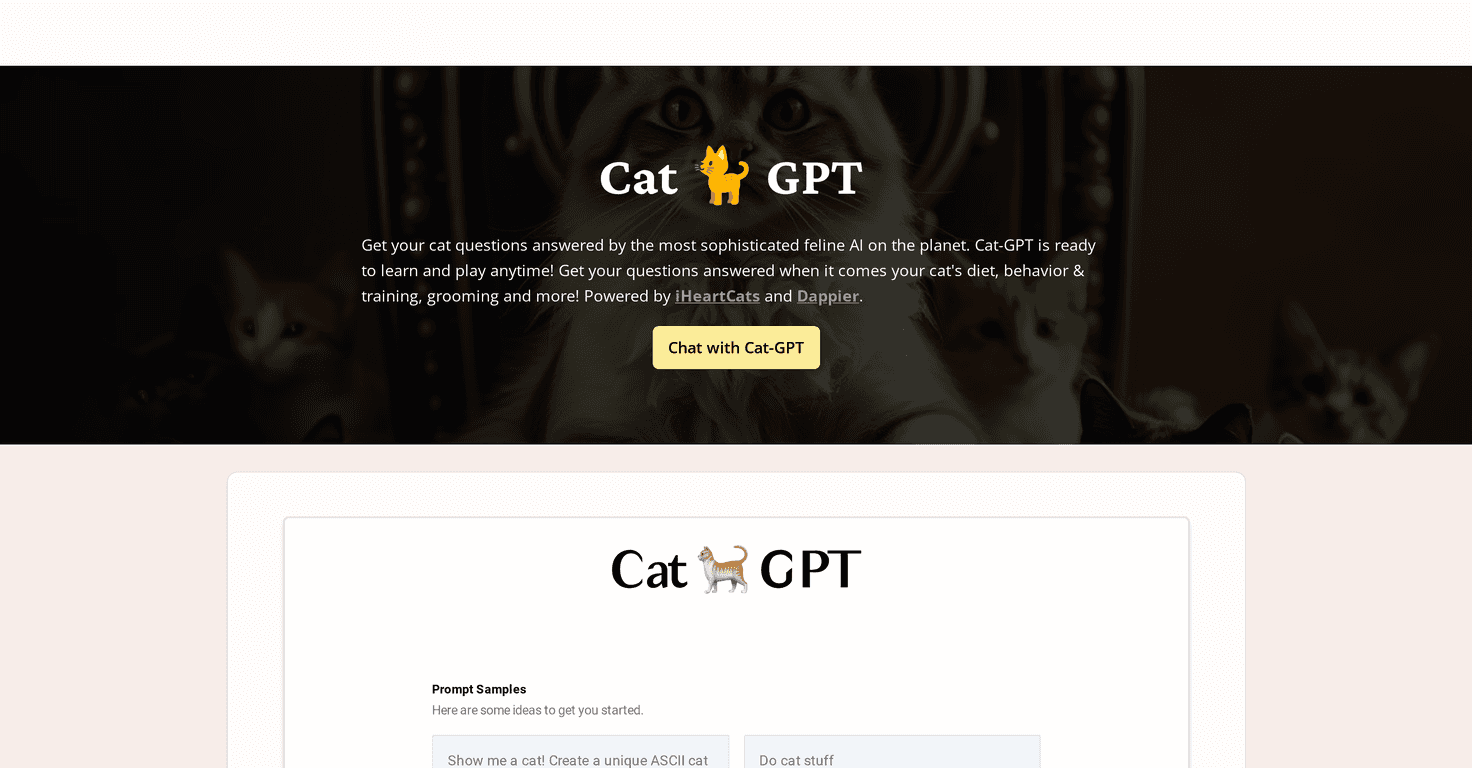
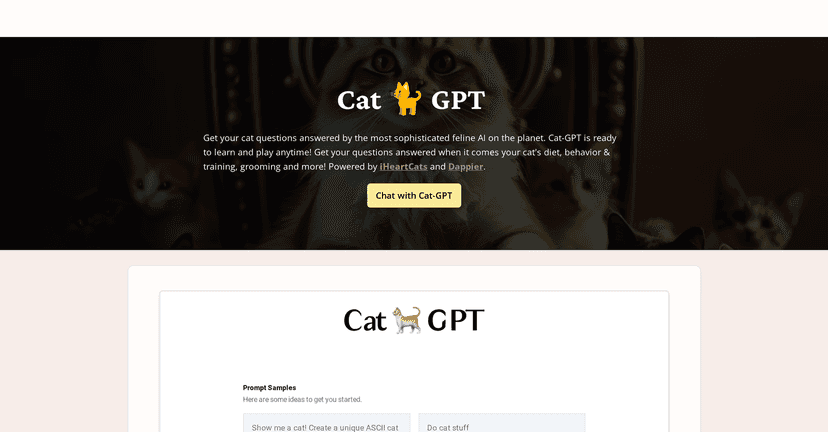
If you’ve ever Googled “why is my cat doing that?” at 1 a.m., you already know how messy cat advice can get. I’ve been there. That’s why I tried the Cat GPT AI—because I wanted something that’s actually quick to use and not just a pile of generic tips.
What I like most is the vibe. It doesn’t feel like you’re reading a textbook. It feels more like chatting with a cat-shaped helper that responds to what you ask. And yes, it covers the big stuff too—diet questions, behavior issues, basic training ideas, and common health concerns. Still, I’ll be honest: it’s not a vet, and you shouldn’t treat it like one. But as a daily “what do I do next?” tool? It’s pretty handy.
Cat GPT Review: What It’s Like to Use for Real Cat Questions
Here’s how I approached it: I didn’t just ask one vague question. I tested a handful of scenarios that most cat owners run into—food changes, scratching behavior, litter box drama, and those “is this normal?” moments.
Cat GPT’s answers tend to be structured and easy to follow. You usually get practical next steps instead of a long history lesson. For example, when I asked about feeding a cat that seems picky, the response didn’t just say “try different food.” It pushed me toward things like consistency, gradual transitions, and paying attention to what’s actually changing in your cat’s routine. That matters, because a lot of advice online skips the “how” and jumps straight to “what to do.”
On the behavior side, I noticed the tool tries to connect the dots. Cats don’t act out of spite (even if it feels personal). When I asked about scratching, it emphasized enrichment and redirecting—basically, giving the cat an acceptable outlet instead of only scolding the behavior. That’s the kind of advice that tends to work better long-term.
Health and wellness is where you need to be careful. Cat GPT can help you understand symptoms and what questions to ask your vet. But it can’t tell you what’s wrong with your cat. If your cat is hiding, vomiting repeatedly, having trouble breathing, or acting in a way that’s clearly “not normal,” you don’t wait around for AI answers.
So, is it “expert”? It’s more like a smart assistant that’s good at organizing information and suggesting next steps. In my experience, that’s still valuable—especially when you want a fast sanity check before you start changing everything at once.
Key Features I Actually Used
- Personalized responses based on your questions
I asked different cats-related topics (diet, behavior, general wellness) and the answers felt tailored to the problem I described, not copy-paste fluff. - Nutrition guidance you can act on
Instead of vague advice, it pushed practical considerations like gradual food transitions and paying attention to portioning and routine. - Behavior and training suggestions
The tool leans toward reward-based thinking and management (environment + habits), which is usually more effective than punishment. - Health and wellness information (with the right caution)
It can help you understand what might be going on and what to monitor, but it doesn’t replace a veterinary diagnosis. - Interactive experience that feels cat-themed
It’s not just “type question, get answer.” The tone and interaction style make it easier to keep asking follow-ups, which is where you learn the most.
Pros and Cons (No Sugarcoating)
Pros
- Fast, readable answers—I didn’t have to sift through 20 different articles to get a starting point.
- Encourages follow-up questions—it’s easier to refine the advice once you realize what you actually need to ask.
- Helpful for day-to-day cat parenting—things like enrichment, scratching redirection, and “is this normal?” monitoring.
- Friendly interface—it keeps you engaged, which sounds silly until you’re actually trying to solve a problem.
Cons
- It can’t replace real-world care—no AI can see your cat’s body language, smell what’s going on, or do an exam.
- Medical limitations—if something is serious, you need a vet. Use Cat GPT to help you prepare, not to delay treatment.
- Answers depend on how you ask—if you give vague details, you’ll get vague guidance. I had better results when I included age, symptoms, and what changed recently.
Pricing Plans: What You’ll Need to Check
The specific pricing plan for Cat GPT isn’t listed in the content I was given. Prices for tools like this can also change, so I’d rather point you to the source than guess.
Best move: head to the official Cat GPT site and look for the pricing section. If you don’t see it right away, try the footer or support page.
Wrap-up: Should You Try Cat GPT?
Overall, I think Cat GPT is a solid tool for cat owners who want quick, practical guidance—especially when you’re dealing with everyday issues like feeding routines, behavior management, and figuring out what to watch for. It’s not perfect, and it’s definitely not a substitute for a veterinarian. But as a helpful “tell me what to do next” assistant, it earns a spot in my cat-care toolbox.
If you’re the type who wants to act sooner instead of doom-scrolling, give it a try and see how it handles your specific question. Just remember: when it comes to serious health concerns, you should always go to a real vet first.
Promote Cat GPT