Table of Contents
If you work in chemistry or microbiology, you already know the “tool sprawl” problem. One app for data cleanup, another for analysis, another for notes, then spreadsheets everywhere. It adds friction to everything—especially when you’re trying to move from an idea to results quickly. That’s why I took a close look at Biolysis.
Biolysis Review
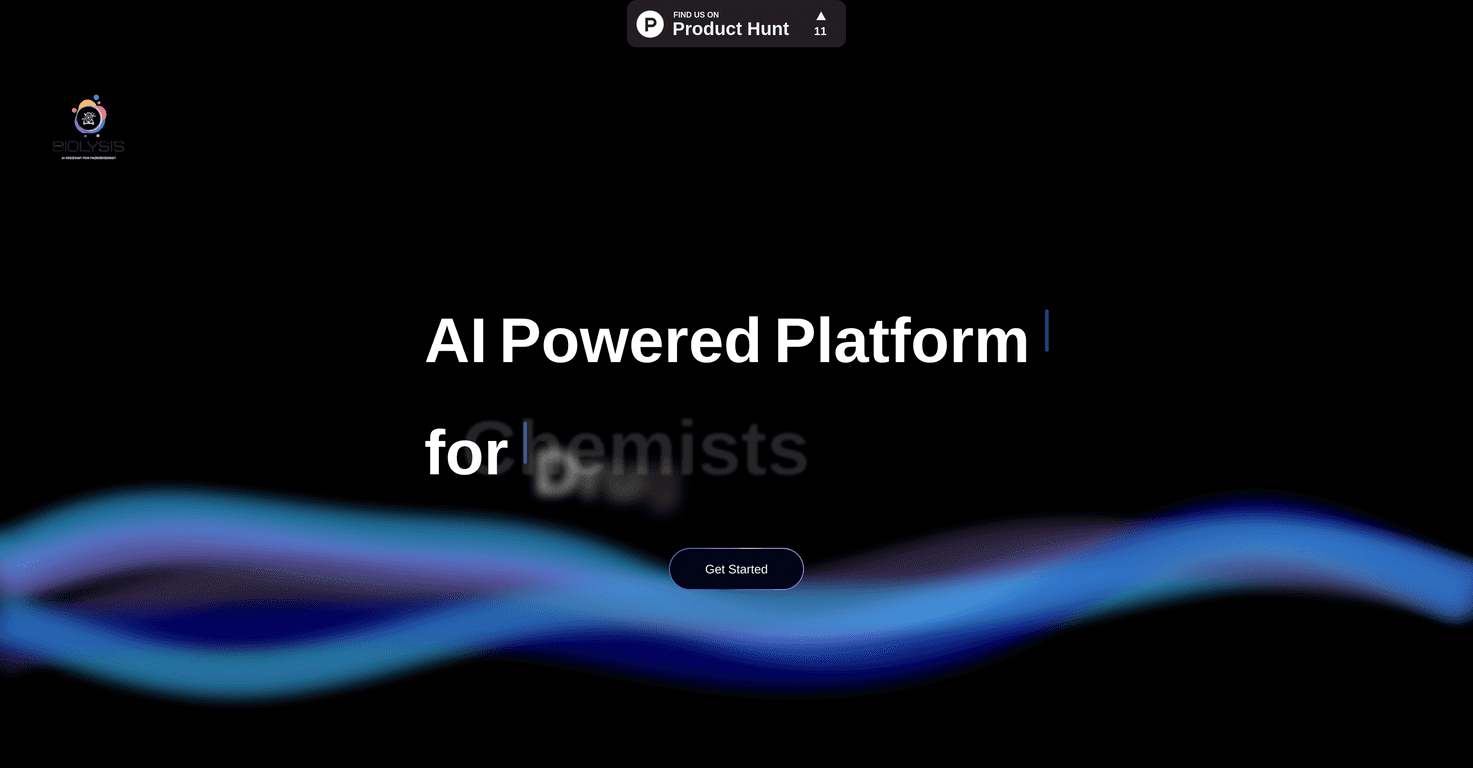
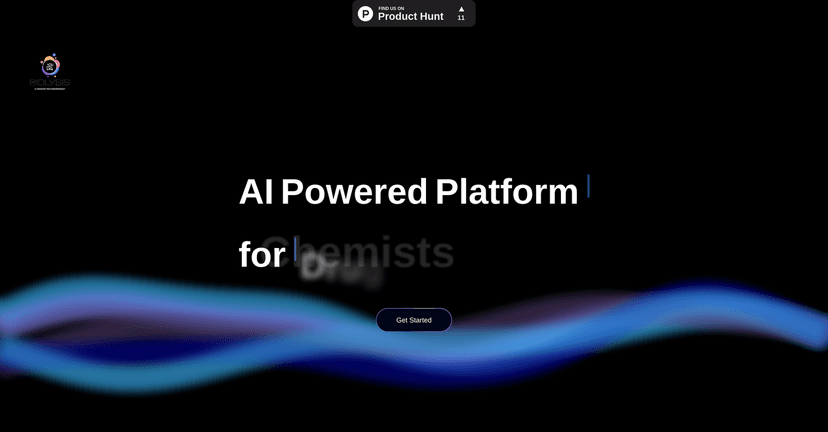
Biolysis is positioned as an all-in-one workspace for chemistry and microbiology workflows, with AI support layered on top. The big promise is pretty simple: instead of juggling multiple tools for day-to-day research tasks, you get one place to organize and run parts of the workflow.
In my experience, the “one place” approach only really helps if the interface is smooth and the feature set is cohesive. Biolysis does feel designed for that. When I tested the flow, what stood out was how it tries to keep you moving—less hunting through menus, fewer steps to get from input to insight. That matters when you’re staring at raw results, trying to figure out what’s real and what’s noise.
AI features are also a core part of the pitch. I like AI when it saves time on repetitive tasks (summarizing results, suggesting next steps, structuring analysis). But I don’t love it when it feels like a black box. What I noticed with Biolysis is that the AI is framed as an assistant rather than a replacement—more like “help me analyze this” than “trust me, this is correct.” Still, you’ll want to sanity-check outputs the same way you would with any automated analysis.
If you’re trying to reduce tool switching—especially between data handling and interpretation—Biolysis could fit nicely. If your lab is already deeply standardized around specific software and formats, you’ll probably need to verify how well Biolysis aligns with your existing workflow before committing.
Key Features
- Research-focused toolkit for chemistry + microbiology
- It’s built around the kinds of tasks researchers actually do—organizing experiments, working with results, and supporting analysis instead of just being a generic “AI chat” page.
- User-friendly interface
- Navigation feels straightforward. I didn’t have to spend forever figuring out where things live, which is a big deal when you’re on a deadline.
- AI-powered assistance for data analysis
- The AI component is meant to speed up interpretation and help you process information faster. In practical terms, think “faster first pass” rather than final answers.
- Integration capabilities
- It’s designed to work with existing workflows, so you’re not forced to throw away what you already use. That said, you’ll still want to double-check what formats and connections it supports.
Pros and Cons
Pros
- Fewer tools to manage: The whole “all-in-one” idea is genuinely helpful if you’re currently bouncing between multiple apps just to get from data to interpretation.
- AI can boost productivity: When used well, it reduces the time spent on repetitive analysis and helps you get to a clearer next step faster.
- Works for different experience levels: The interface doesn’t feel aimed only at power users. If you’re not an AI expert, you can still get value.
Cons
- Newer platform = potential rough edges: As with any young product, you might run into occasional glitches or changes to features.
- There can be a learning curve: If you’re not used to AI-assisted workflows, you’ll need a little time to learn how to prompt, review, and validate results.
- AI outputs still need your judgment: I’d treat the AI as a helpful assistant, not an authority. You’ll still want to confirm conclusions using your own methods and controls.
Pricing Plans
Specific pricing details weren’t available in the information I reviewed. If you’re trying to budget (and you probably are), the best move is to check the Biolysis official website or reach out to support directly so you don’t end up surprised later.
Also, if you’re evaluating it for lab use, ask about things like trial access, team seats, and whether they support the file types or integrations you rely on. Those details can matter more than the sticker price.
Wrap up
Biolysis looks like a promising option if you want a more organized workflow for chemistry and microbiology, with AI support to speed up analysis. I like that it’s positioned as a practical workspace instead of just another generic AI tool. At the same time, it’s still worth testing carefully—especially if your lab depends on specific software, strict data formats, or regulated processes.
If you’re tired of switching between tools just to get through routine steps, Biolysis is definitely worth exploring. Just don’t skip the part where you validate results yourself—because that’s where good science always wins.
Promote Biolysis