Table of Contents
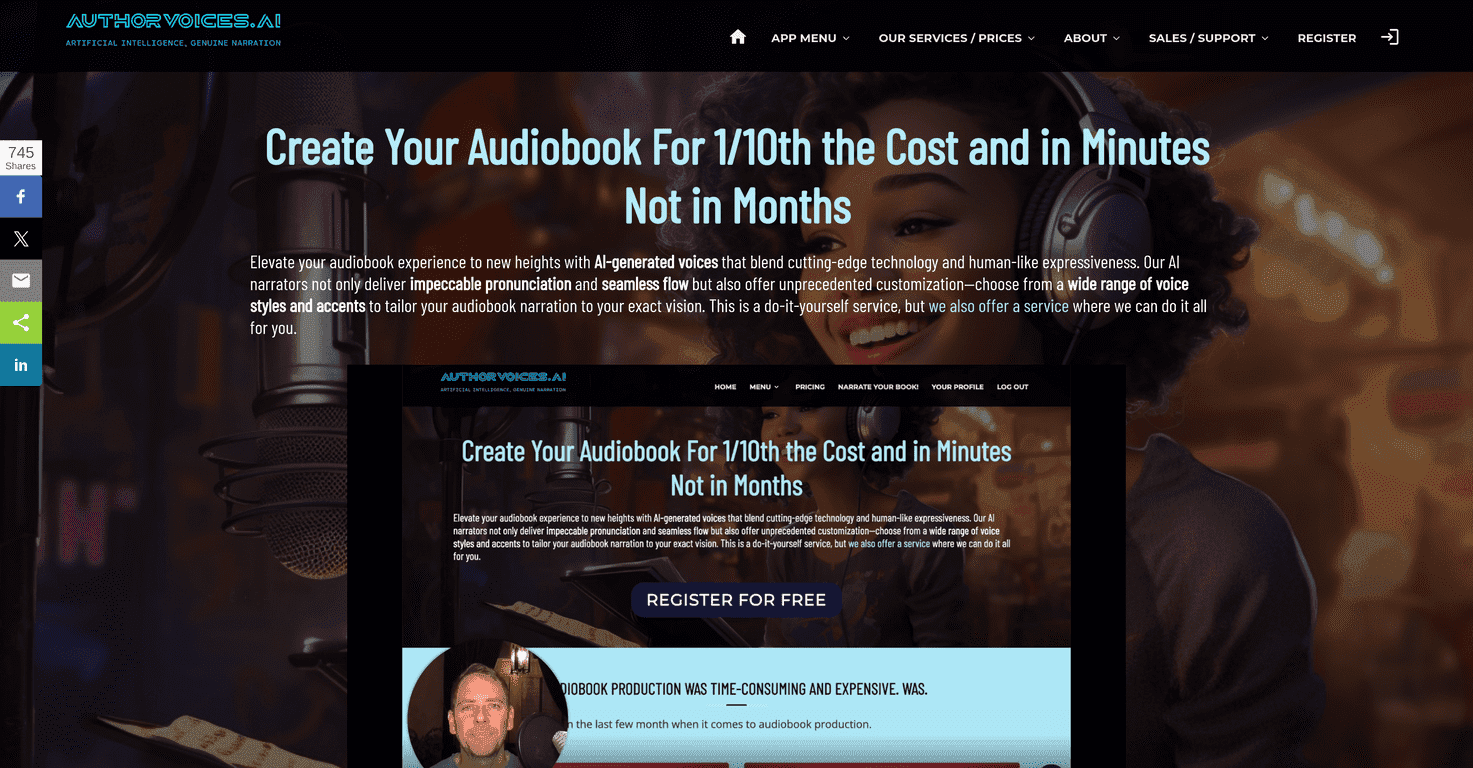
Are you an author looking to bring your stories to life through audiobooks? AuthorVoices.ai offers a cutting-edge solution that can help turn your written work into engaging audio content. This platform promises to simplify the audiobook creation process while saving you both time and money. Let’s dive in and see how AuthorVoices.ai can redefine your audiobook production experience.
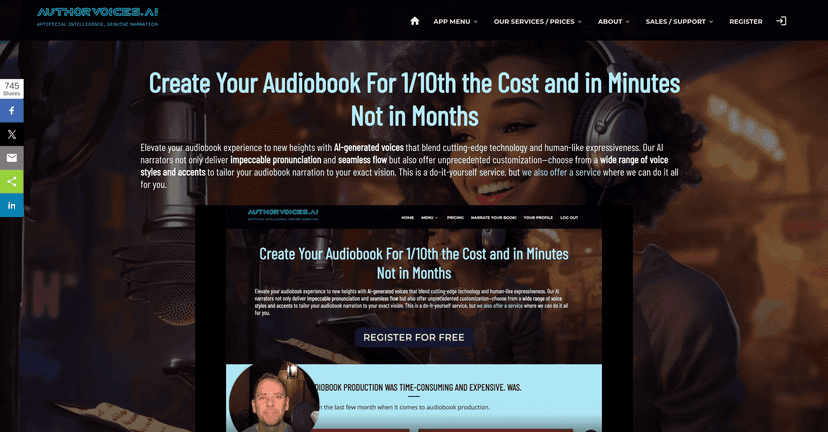
AuthorVoices.ai Review
AuthorVoices.ai is a groundbreaking platform that leverages artificial intelligence to transform how authors produce audiobooks. By offering a DIY service with customizable voice options, authors can skip traditional hurdles and focus on what they love most—writing. With high-quality audio outputs ready for retail, this service caters to creative spirits eager to share their words through a new medium. Plus, the rapid production timeline means you won’t have to wait months to get your audiobook out there! However, some users might notice slight differences in emotional depth compared to a human narrator. Overall, AuthorVoices.ai offers an exciting approach to audiobook creation that is hard to beat for authors seeking efficiency and affordability.
Key Features
- AI-generated Voices with human-like narrations
- Wide range of voice and accent customizations
- DIY service for independent audiobook creation
- Fast production of retail-ready audiobooks
- High-quality audio compliant with leading retailers
- Cost-effective pricing, approximately one-tenth of traditional methods
- Flexible pay-as-you-go payment model
Pros and Cons
Pros
- Significant cost savings compared to traditional production
- Quick turnaround for rapid content release
- Extensive voice customization options
- User-friendly platform for easy audiobook creation
- Retain all rights to your produced audiobooks
Cons
- Slight emotional nuance differences compared to human narrators
- Some restrictions on distribution with certain retailers
Pricing Plans
While specific pricing details aren’t included on the website, users can expect costs significantly lower than traditional narration—about one-tenth. A free registration allows users to explore services and understand pricing options better.
Wrap up
In conclusion, AuthorVoices.ai strikes a remarkable balance between affordability and quality in audiobook production. Its innovative technology and user-friendly design empower authors to create compelling audio editions of their work in no time. If you’re an author looking to dive into the audiobook realm, this platform is definitely worth considering!
Promote AuthorVoices.ai