Table of Contents
If you’re trying to cut down on repetitive customer questions without making people wait, Agents by Athena AI is one of those tools that immediately sounds promising. I tested it with a mix of “where’s my order?” style messages, product questions, and a few more annoying edge cases (you know—the ones customers always ask). And honestly? It does a lot right out of the gate.
That said, it’s not magic. When your setup is vague or your answers aren’t well organized, the bot can still stumble. But if you take the time to connect it to the right info and tune the tone, it can genuinely reduce the load on your team.
Agents by Athena AI Review
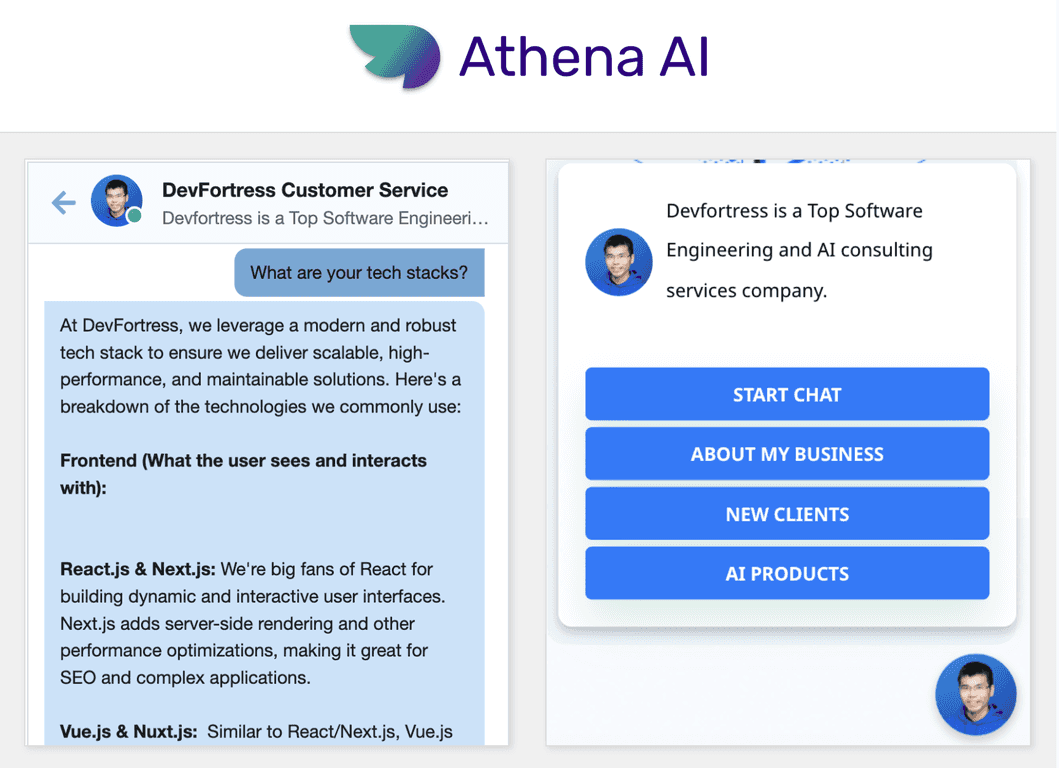
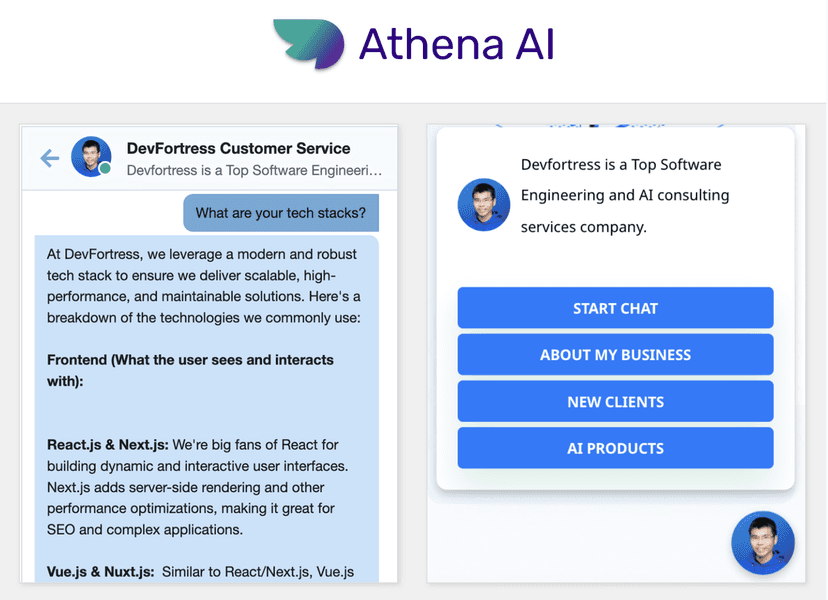
Here’s the basic idea: Agents by Athena AI is built to handle customer conversations using natural language processing, so people can type like they normally would (not like they’re filling out a form). In my testing, it was able to interpret intent pretty well—especially for common categories like shipping, returns, pricing questions, and general “how do I…?” support.
What I liked most is that it feels less robotic than the typical “press 1 for sales” experience. It can keep a conversation going, ask clarifying questions when needed, and respond in a way that sounds like a real support rep might. And if you’ve got a knowledge base connected (or you feed it the right info), it’s much more useful than a generic FAQ bot.
Still, you should go in with realistic expectations. If your business details are messy or your answers aren’t set up clearly, you’ll see it. I noticed that complex requests—like multi-step troubleshooting or highly specific policy edge cases—still sometimes need escalation. In other words: it’s great for most customer questions, not every single one.
Key Features
- Natural Language Processing for human-like interactions
It understands messy, real-world messages better than most basic chat widgets I’ve used. Customers don’t talk in perfect sentences, and this holds up more often than you’d expect. - 24/7 availability for customer queries
This is the obvious win, but it matters. When your customers ask after hours, the bot can keep the conversation moving instead of turning everything into a ticket backlog. - Integration with various business platforms
The value here is speed: when the agent can connect to your existing tools, it can pull the right context instead of guessing. - Analytics and reporting tools to track performance
I’m a big believer in measuring before you “optimize.” Reporting helps you see what people ask most, where the bot fails, and what you should improve. - Customization options to match brand voice and tone
This one’s underrated. If your brand is friendly and casual, you don’t want a stiff, corporate-sounding assistant answering customers.
Pros and Cons
Pros
- Better customer engagement
In practice, fast responses reduce the “where are you?” frustration. I saw fewer dead-end conversations when the agent could guide users to the next step. - Reduced response time
Even when the bot can’t fully solve the issue, it can often gather the basics (order number, product name, issue type) so your human support team starts with context. - Smooth integration
If you already have customer tools in place, you won’t feel like you’re starting from scratch. - Supports multiple languages
That’s helpful if you serve international customers or have multilingual support needs. - Cost-effective for small to mid-sized teams
For a lot of businesses, this is a practical way to cover routine questions without hiring more agents right away.
Cons
- Setup can take time
You’ll want to map intents, connect the right data sources, and test real conversations. If you rush this part, the experience won’t be as good. - Customization has a learning curve
Getting the tone and fallback behavior right takes a few rounds of tweaking. Plan for that. - Internet dependency
Like most AI chat systems, performance depends on connectivity and service availability. - Periodic updates may be necessary
Your policies and product info change. The agent needs updates too, or it’ll start drifting. - Limited handling for very complex queries
When customers ask multi-step questions with lots of exceptions, the bot may need to escalate. That’s not a dealbreaker, but it’s something to design for.
Pricing Plans
Agents by Athena AI uses a flexible pricing approach, and that’s usually what smaller businesses want. In general, you can expect options like a pay-as-you-go model or monthly subscriptions, plus enterprise-style arrangements for larger teams with more advanced needs.
One thing I’d recommend (seriously): before you commit, ask what’s included in each tier—especially around integrations, analytics/reporting, and how escalation to a human works. Those details matter more than the headline price. If you can share your top 20 customer questions with them, you can also get a clearer sense of whether the agent will actually handle your workload.
If you want to sanity-check fit fast, run a short pilot: connect your knowledge base, test 30–50 real questions from your inbox, and track how many conversations end in resolution vs. escalation. That’ll tell you whether the pricing is worth it for your business.
Wrap up
Overall, I think Agents by Athena AI is a solid choice if your goal is to improve customer support with AI-driven conversations—especially for the questions that happen all day long. It’s strong on natural language understanding, it can stay available 24/7, and the customization options help it feel more like your brand than a generic bot.
Just don’t expect it to replace your entire support team. What it can do is take a big chunk of routine work off your plate and give your humans better context when things get complicated. If you set it up carefully and keep your information updated, it’s the kind of tool that tends to pay off quickly.
Promote Agents by Athena AI